Cholesterol Management Medical Reference
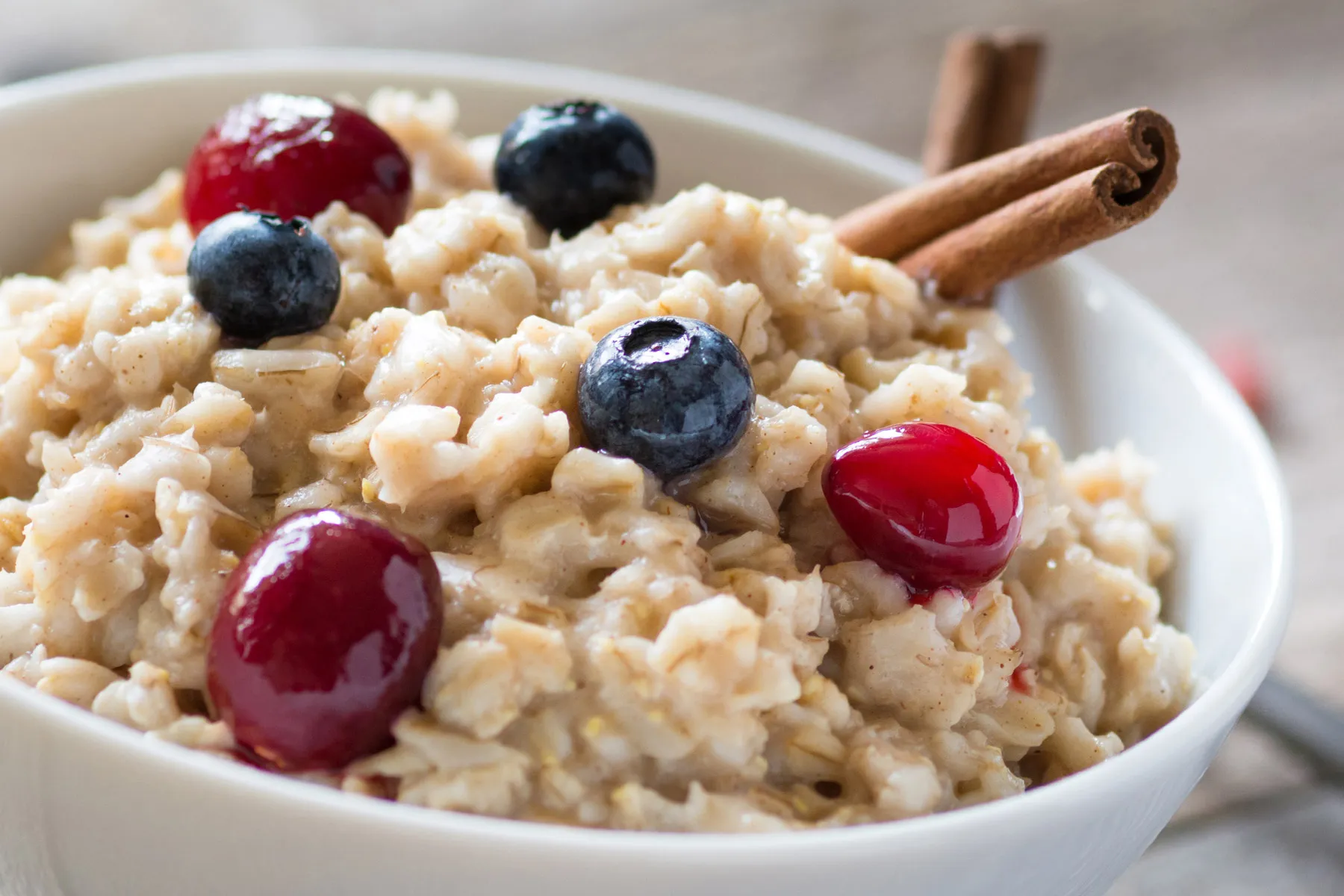
Foods to Eat and Avoid for High Cholesterol
- Why Is My Cholesterol Still High?
You’re eating clean, exercising, and taking meds, but your cholesterol is still sky high. Find out what the hidden culprits behind the hike might be.
- Understanding the Dangers of High Cholesterol
Living with untreated high cholesterol puts your health at risk. Find out how it relates to coronary heart disease, stroke, and other conditions.
- High Cholesterol and the Importance of Talking to Your Doctor
A look at why it’s important to have an open, honest conversation with your doctor about high cholesterol.
- Beyond Medication for Lowering LDL
Cholesterol-lowering drugs are important, but they’re only one tool in your heart health toolbox. Learn more about how managing your whole health helps to keep cholesterol in check.
- What Is the Apolipoprotein B-100 (ApoB) Test?
The apolipoprotein B-100 test helps your doctor see your risk for heart disease. Learn about what apoB does and results for this test today.
- What Is Very Low-Density Lipoprotein (VLDL)?
Learn what very low-density lipoprotein is, how they differ from high-density lipoproteins, and why they're harmful.
- Eggs and Cholesterol
Eggs are a nutritious and affordable food. But they also contain cholesterol, which creates confusion as to whether they’re considered healthy. Find out more about how cholesterol affects your body, how many eggs you should eat, and what egg alternatives you can add to your meals.
- What You Need to Know About Coffee and Cholesterol
Does coffee affect your cholesterol? Find out how the two are connected and what you can do to continue to enjoy your morning coffee while keeping your cholesterol levels down.
- Sugar and Your Cholesterol
While it’s common knowledge that saturated fats are bad for your cholesterol, research shows that a diet high in sugars can also affect it.
- Stress and Cholesterol: Is There a Link?
Could long-term stress lead to high cholesterol?
- How Sleep Affects Your Cholesterol Levels
People who sleep too little or too much tend to have problems with their cholesterol levels. Find out how hormones may play a role and what you can do to improve your sleep each night for better heart health.
- What to Know About Sterols and Stanols
What are sterols and stanols, and how can they lower your cholesterol? Find out what foods they’re in and who can benefit most from more of them in their diet.
- Dietary Cholesterol: What You Need to Know
Some of the cholesterol in your blood comes from the food you eat. But it’s not clear whether dietary cholesterol alone makes a big impact on heart disease risk. Here’s what you need to know.
- Statins: Tips for Managing Muscle Pain
Not everyone gets muscle pain when they take statins. If you do, don’t stop your medication. Your doctor can help find ways to ease the pain.
- Cholesterol: Latest Research
Diet, exercise, and medicine can help lower cholesterol. But researchers continue to study cholesterol to see if there are better ways to manage it.
- The Cost of High Cholesterol
How much might treating high cholesterol cost? Find out what you could pay for diagnosis, treatments, and lifestyle changes.
- Does High Cholesterol Always Need Medication?
If your cholesterol is too high, do you need to start taking a statin or other medication every day? Maybe not. Many people can try diet, exercise, weight loss, and other healthy lifestyle changes to lower and manage cholesterol. Find out how your heart disease risk tells you if you need medications, too.
- Weight Training and Cholesterol
Can weight training only reduce high cholesterol? Learn what the research shows and tips for safe and effective muscle work.
- Cholesterol Treatment: Medication and Lifestyle Changes
How can you lower your high cholesterol and help prevent a heart attack or stroke? First, your doctor may suggest heart-healthy lifestyle changes. Find out when you may need to add medications like statins, and how long they take to work.
- What Is a Lipidologist?
What does a lipidologist do? What certification does a lipidologist have? What does a doctor have to do to become a certified lipidologist? What kind of things does a lipidologist treat? What treatment methods does a lipidologist use?
- Who Treats High Cholesterol?
Which doctors should you see if you have high cholesterol? What should you ask your doctors about your high cholesterol?
- Can Cholesterol Be Too Low?
Yes, cholesterol can be too low. In rare cases, it could lead to health problems.
- Should You Get Tested for High Cholesterol?
Guidelines on when to get a cholesterol test can vary and depend on your individual risk.
- High Cholesterol and Liver Disease
high cholesterol, liver disease, cholesterol management, cirrhosis, liver failure, liver cancer, NASH
- High Cholesterol and Thyroid Disease
If you have thyroid disease, you’re more prone to have high cholesterol levels.
- Cholesterol and Your Weight
Does being overweight affect my cholesterol level? How does losing weight help lower cholesterol? How much weight do I need to lose to lower cholesterol? What kind of lifestyle changes can I make to lower cholesterol and lose weight?
- Things That Can Impact Your Cholesterol Levels
Diet isn’t the only factor that can affect your cholesterol. Pregnancy, smoking, and a lack of exercise are just a few of the other things that can change your levels.
- Can Good Cholesterol Be Too High?
Experts tell us to boost our HDL level, but very high levels of this "good" type of cholesterol could increase heart disease risk.
- High Cholesterol and Kidney Disease
High cholesterol has a link to kidney disease. Find out the connection, and how to manage both conditions.
- High Cholesterol and High Blood Pressure
High cholesterol and high blood pressure often go hand-in-hand and can gang up on heart health, but you can rein in both sets of numbers with the same steps.
- Can You Prevent High Cholesterol?
You can do something about cholesterol before it gets too high. Diet, exercise, keeping a healthy weight, and kicking unhealthy habits like smoking and too much drinking can all help.
- What Is Statin Intolerance?
Statin intolerance occurs when you have negative side effects to statin medications. Learn about what causes it, the symptoms, and treatment options.
- Healthy Foods That Are High in Cholesterol
If you have high cholesterol, you might think you have to shun all high-cholesterol foods. But some nutrition superstars make up for their high numbers with healthy perks.
- What You Need to Know About PCSK9 Inhibitors
A new class of drugs can drastically lower your LDL cholesterol. Learn about how they work, who can take them, and what risks are involved.
- How to Lower Your Triglycerides
A high level of triglycerides – a fat in your blood – can set you up for heart, liver, and pancreas problems. Learn what you can do to lower your level.
- Foods to Eat and Avoid for High Cholesterol
One of the best ways to improve your cholesterol numbers is to know what to eat -- and what to avoid. Some of these may surprise you.
- Heterozygous Familial Hypercholesterolemia (HeFH)
Learn about the causes, symptoms, and treatment of heterozygous familial hypercholesterolemia, a disease that causes you to have very high cholesterol levels.
- Fasting for Blood Tests
Your doctor says you need to fast before some blood tests. But what does that mean, and why do you have to do it?
- What Is Hyperlipidemia?
It's a big word for a common problem: high cholesterol. Learn what causes hyperlipidemia and how to treat it to lower the risk of heart disease and more.
- High Cholesterol: When Statins Don’t Work
True statin resistance is rare, but there are many reasons statins may not work as well as expected and many other steps you can take.
- Do Your Part to Lower Your Cholesterol
When it comes to lowering cholesterol, medicines can’t do it all. Make sure you’re doing your part to live a heart-healthy lifestyle.
- 12 Common Side Effects of Cholesterol Drugs
There may be times when cholesterol medications make you feel less than your best. Learn how to manage side effects and when to talk to your doctor.
- Homozygous Familial Hypercholesterolemia
Learn about the causes, symptoms, and treatment of homozygous familial hypercholesterolemia, a disease that causes very high levels of cholesterol and raises your risk for heart disease.
- What Is Borderline Cholesterol?
Have you been told that you have "borderline" cholesterol? Find out what that means and what you should do about it.
- Omega-3 Fish Oil Supplements and Prescriptions
WebMD explains the difference between omega-3 fish oil supplements you can buy without a prescription and fish oil medicines your doctor can prescribe, including health benefits and side effects.
- When High Triglycerides Run in Your Family
WebMD provides information on familial hypertriglyceridemia, in which people inherit genes that put them at risk for high triglycerides.
- What Women Should Know About High Triglycerides
WebMD explains factors that raise triglyceride (blood fat) levels and how to control them.
- Supplement Smarts for Cholesterol and Triglycerides
See which supplements may help high triglycerides and cholesterol and which may be bogus.
- What High Triglycerides Can Do to You
WebMD describes the health hazards of having high triglyceride levels.