Tips to Lose 100 Pounds or More

It's All About Planning
When you have a lot of weight to lose, it means playing the long game. And during that time, you'll face challenges. Weight loss experts and people who have done it offer you their ideas to cut calories, fight the "hangry," make exercise easier, stay on track, and more. Some are tried-and-true, and others may surprise you.

Go Big for Breakfast
People who eat more in the morning and less at night tend to lose more weight. Some studies suggest that starting your day with a high-protein meal -- especially warm, solid food -- helps you feel fuller and less hungry later. Shoot for 350-400 calories with at least 25 grams of protein, says Domenica Rubino, MD, director of the Washington Center for Weight Management& Research.

Keep a Photo Diary
"We have horrible memories in terms of what we eat," says Susan Albers, PsyD, author of EatQ. Save your food photos in a daily file. Before your next snack or meal, review them. They'll remind you what you've already eaten. And that may help you decide to downsize or choose something else.

Use an App
"I just do not see food and portions the way normally thin people see them," blogger Lisa Durant says. She used My Fitness Pal to focus on her relationship with food. She tracked what she ate and how much. That helped her be honest with herself. She also set weight loss and fitness goals to track her progress. Without an app, "I would absolutely gain some weight back."

Try a Meal Replacement Plan
Under a licensed professional's care, you'll eat one regular meal per day and swap the others for special shakes, soups, or bars. "If you can stick to it, you'll see big results in 6 months to a year," says Ken Fujioka, MD, an obesity specialist at the Scripps Clinic in San Diego.

Set Up Your Food Storage
Out of sight, out of mind -- and mouth. After you purge your home of those treats you can't resist, Albers recommends taking the idea a step further: Assign shelves in the pantry and the fridge so your healthy food becomes easy to see and reach. Put fresh veggies and fruit at eye level instead of inside a drawer, and you're more likely to grab them when you open the door.

Shop Smart
Don't leave your meals to chance. Have ingredients on hand so you aren't tempted to resort to take-out. Think about menus that work for the household: Maybe your veggie stir-fry can be their side dish, too. Make a grocery list together, even if you're cooking separately.
Stay out of bulk warehouse stores, Albers says. The oversized items can invite overeating.

Find a Fan Club
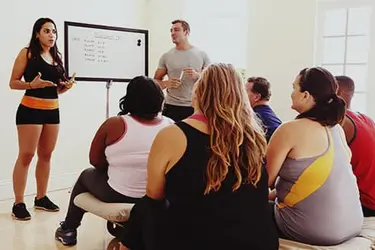
Support from a group can help you lose more weight than doing it alone. You'll gain perspective, encouragement, tips -- even a little competition, if that's the kind of thing that gets you motivated. Durant, who lost 115 pounds, started with Weight Watchers. "My leader was fantastic," she says. Besides in-person meetings, check out online forums and social media. Support from family and friends helps keep the weight off, too.

Outsmart Your Inner Critic
When (let's be honest, there's no "if" about it) you get off-track, it can be hard to forgive yourself. So pretend it's a friend who slipped up and is upset, Rubino says. Write a note to them. Then read it out loud -- to yourself. It will likely be kinder and more encouraging than anything the little voice in your headwould say.

Try Physical Therapy
You'll learn to reconnect with your body, Rubino says. A physical therapist is trained to work with people who have medical issues and trouble moving in their daily lives. Think of them as someone who'll get you ready for the personal trainer. Your therapist will design a program, tailored for you, to improve your balance, strength, and range of motion. PT can often help ease joint pain you may have, too.

Work Your Muscles
You may not realize it, but you've built them up just by moving your extra weight around. And as you lose body fat, you want to keep those muscles. They burn fat and calories! But if you don't use them, you'll lose them. Mira Rasmussen, an exercise physiologist, likes wall squats, with the help of an exercise ball for body alignment. These work most of the major muscles below your waist at once.

Get in the Pool
Swimming is a whole-body, non-impact workout with a fantastic calorie burn, Rasmussen says. The water helps hold you up, so there's no pressure on your joints. Plus, it saves time by combining cardio and muscle-building in a single activity.
If exercise is hard for you, try doing it in chest-deep water, which can reduce swelling, enhance circulation, and help relieve pain from inflammation.

Look Past the Pounds
Regardless of what the scale says, your body may still be changing in a good way. Rubino says, "Remind yourself what you've gained by losing the weight." Are your clothes getting looser? Are you losing inches? Is your blood pressure better? If you have diabetes, have your sugar levels improved? Can you handle more exercise? Celebrate those non-scale victories, too!

Get Checked for Sleep Apnea
You may not be resting as well as you think you are. This condition, which interrupts your breathing while you sleep, often affects people who are overweight. It can disrupt your slumber and you won't know it. Studies show that a lack of sleep alters hormones that control hunger. Rubino suggests being tested and treated.

Ask About Weight Loss Medicine
Once you've lost 5% to 10% of your weight, your body makes adjustments to fight losing any more, Fujioka says. Hormones that signal you've had enough to eat don't get sent to your brain, and you're still hungry. "We use medications to give that feeling of being full," he says. When that point comes, talk to your doctor about whether a prescription drug or over-the-counter product could help you keep going.

Play Down Plateaus
It happens: The scale won't move, no matter what you do. Try not to think "failure." Instead, give yourself credit for not adding pounds. That alone is a triumph, Rubino says.
If you haven't seen a change for 3 months, then it's time to revisit your diet and exercise plan.

Consider Weight Loss Surgery
"Having weight loss surgery gave me back my health and was the helping hand I needed to make the permanent life changes," says Michelle Vicari of the Obesity Action Coalition. After she spent most of her teens and adult life "trying the latest, greatest diet being talked about," she had gastric bypass surgery. She lost 158 pounds -- and got rid of a host of health problems, including high blood pressure and reflux.