"Congenital heart defect" is another way of saying someone’s heart had a problem at birth. The heart may have had a small hole in it or something more severe. Although these can be serious conditions, many can be treated with surgery.
In some cases, doctors can find these problems in a baby before it’s born. Sometimes, it’s diagnosed in childhood or when you’re an adult. If you or your baby has a congenital heart defect, there might not be symptoms until adulthood, or there might be no symptoms at all.
Causes
Doctors don’t always know why a baby has a congenital heart defect. They tend to run in families, and the chances of having congenital heart defects rises if a parent or any relatives have problems. Other things that make these defects more likely include:
Problems with genes or chromosomes in the child, such as Down syndrome. With certain gene changes, a baby’s chances of having a defect can go up by as much as 50%.
Smoking or alcohol or drug misuse during pregnancy. All can lead to congenital heart defects and other problems with a baby’s development. Avoid them if you’re pregnant.
Certain medication. Some medicines can make heart and other birth defects more likely if a woman uses them during pregnancy. Among them are the acne medication isotretinoin and anti-seizure drugs that contain valproate. If you’re pregnant, your doctor may be able to switch you to another medicine until your baby is born.
A viral infection like rubella (German measles) in the first trimester of pregnancy. If a woman has rubella during pregnancy, it can create problems with the baby’s heart. Most people are vaccinated in childhood. If you’re pregnant and weren’t vaccinated, or if you’re not sure, tell your doctor. If you need to get vaccinated for rubella, you should wait at least a month after getting vaccinated before you get pregnant.
Diabetes. Diabetes in the mother may affect the formation and growth of her baby’s heart. Gestational diabetes, which develops during pregnancy, shouldn’t raise a baby’s chance of having a heart defect.
Types
Most congenital heart problems are structural issues like holes and leaky valves. They include:
Heart valve defects. One may be too narrow or completely closed. That makes it hard for blood to get through. Sometimes, it can’t get through at all. In other cases, the valve might not close properly, so the blood leaks backward.
Problems with the heart’s "walls." It could be the ones between the chambers (atria and ventricles) of your heart. Holes or passageways between the left and right side of the heart might cause blood to mix when it shouldn’t.
Issues with the heart’s muscle. These can lead to heart failure, which means the heart doesn’t pump as efficiently as it should.
Bad connections among blood vessels. In babies, this may let blood that should go to the lungs go to other parts of the body instead, or vice versa. These defects can deprive blood of oxygen and lead to organ failure.
Symptoms
Adults may have a heart-related birth defect and not notice symptoms. If they do, they can include:
- Shortness of breath
- Problems with exercise
The symptoms of congenital heart disease in infants and children may include:
Diagnosis
Before birth
Doctors may find some problems during pregnancy. Your doctor may be able to identify a defect before your baby’s birth with:
A fetal echocardiogram. This test uses pictures made by an ultrasound to show the heart in motion so your doctor can see things that are wrong with its valves and structure.
Gene testing. A geneticist takes a small blood sample before or during your pregnancy. It’s important because if you or a family member has an abnormality, your child’s chances of having it can go up by as much as 50%.
In childhood
Other problems may be found in infants or kids. The doctor listens to your child’s heartbeat to check their health. If they hear an unusual sound or heart murmur, they might order more tests, such as:
Echocardiogram. This is a painless type of ultrasound that takes pictures of the heart. It can spot almost any kind of congenital heart defect and usually takes less than an hour. There are different kinds of echocardiograms, so ask your doctor what to expect.
Electrocardiogram (ECG or EKG). This measures the heart’s electrical activity. This test can diagnose heart rhythm problems, called arrhythmias, and find parts of the heart that are too large or working too hard.
Chest X-ray. An X-ray can show the doctor signs of an enlarged or unusually shaped heart and reveal signs of heart failure , such as fluid in the lungs.
MRI and CT scans. Magnetic resonance imaging and computed tomography scans are two more types of imaging tests that can provide detailed views of the heart.
Pulse oximetry. This measures the oxygen level in your child’s blood through a finger sensor. If it shows too little, it could signal a heart problem.
Cardiac catheterization. If any of the previous tests shows that your child has a congenital heart defect, their doctor may recommend a cardiac catheterization. A doctor guides a very thin, flexible tube (called a catheter) through a blood vessel in the arm or leg to reach the heart. They put dye through the catheter and then use X-ray videos to see inside the heart.
In adults
Some people with congenital heart defects don’t find out they have problems until later in life. Your doctor might find issues during a routine physical, or you might notice symptoms. Your doctor could also find it after you’ve had a heart test like an echocardiogram.
Treatment
If you or a loved one has a congenital heart defect, the chances that it can be fixed are better than ever. Some defects may not need any treatment. For some people, treatment may include many surgeries or other procedures. For others, it takes only one.
Some children and adults may need to take medicine for the rest of their lives. They might also need to make regular visits to their heart specialist, called a cardiologist.
Medicines
Congenital defects can put a strain on the heart, causing it to work harder. To keep your heart from getting weaker with this extra work, your doctor may try to treat you with medications. They are aimed at easing the burden on the heart muscle.
You need to control your blood pressure if you have any type of heart problem. Some common medicines that lower blood pressure might also slow the heart rate and reduce fluid buildup in your body. These include:
ARBs and ACE inhibitors. These are two widely used types of medicines that lower blood pressure. They relax blood vessels, which makes it easier for your heart to pump blood.
Beta-blockers. These medicines that slow your heart rate and help widen arteries. Some examples of beta blockers that your doctor might prescribe are atenolol (Tenormin), carvedilol (Coreg CR), and metoprolol (Lopressor).
Diuretics. Also called water pills, these medications lower fluid levels. Less blood volume can lower your blood pressure.
Medications may be enough to help treat mild cases or be used when surgery isn’t a good option. Other times, doctors will need to do more.
Procedures
Thanks to new technology, doctors have easier and better ways to fix these defects. Depending on the problem, your baby may get surgery or catheterization within hours of being born. Other times, it may happen days or months later.
Sometimes, infants need several procedures as they grow up. As their heart gets bigger, replacement valves, for example, will need to be changed. Your doctor will tell you what they’ll need, and when.
There are two main options for procedures for congenital heart defects. One uses a catheter, which doesn’t require opening the chest. The other is open-heart surgery.
Cardiac catheterization
More and more, doctors are able to repair hearts using catheters. These procedures, known as cardiac catheterizations, are used for two main heart repairs: closing a hole or opening a narrowed valve or artery.
Doctors can, for example, repair holes in the wall that separates the heart’s left and right sides. This is a common congenital heart defect called an atrial septal defect (ASD). Using a catheter, the doctor can place a tiny umbrella-shaped patch over the hole. Tissue will form over the covering and keep the wall together.
Doctors can also widen a narrowed artery or stiff valve. And they can use one to close off a vessel if it’s carrying blood in the wrong direction, or place a patch over a hole.
They can also fit a catheter with a tiny balloon and direct it toward a valve or artery that isn’t working right.
The doctor can inflate the balloon to widen the valve or artery. This allows the blood to flow better. When it is done for a valve, it’s called a valvuloplasty. When it’s done in an artery, it’s called an angioplasty.
Catheter procedures alone might not fix every issue. Some people need medicine, and children might need surgery when they are a little older. But these procedures can make blood flow better and keep your baby healthy while care continues in the months and years ahead.
Open-heart surgery
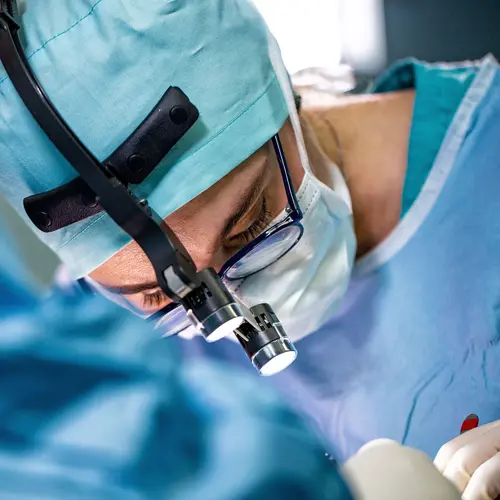
In some cases, your doctor will tell you that you or your baby needs open heart surgery. With this surgery, a doctor has to cut through the breastbone to operate on the heart directly. Defects that might be treated with open-heart surgery include holes in the heart, valve problems, and narrow arteries.
Because a heart grows in size along with its owner, some people may need more surgeries or other procedures years later. If you need open-heart surgery, you’ll get general anesthesia, so you won’t be awake or feel pain during the procedure.
Recovery
After a procedure or surgery, a baby is taken to the neonatal intensive care unit (NICU). The amount of time your little one spends there will depend on the procedure and how the recovery is going. When the doctors say it’s OK to bring your baby home, they’ll give you plenty of instructions on home care, follow-up appointments, and what to do if you have questions or concerns.
Adult patients go to a standard intensive care unit (ICU). Assuming that your recovery goes well, you will transfer later to what hospitals call a step-down room before you can go home.
You might feel some pain in the days after open heart surgery.
Your doctor should give you instructions about your medications and how to care for the area after your surgery. You should also ask about how to look for signs of any infections or other problems, and when you should call your doctor.
Because catheters need only a small cut in the leg, the recovery is much easier and faster than it is for open-heart surgery.
With either type of procedure, follow-up appointments are important. Feel free to ask any questions, whether they are about how to bathe your child who had heart surgery or about what kind of care you’ll need in the future.
Other things to keep in mind
The time it takes doctors to do these procedures depends on the situation. Don’t be concerned if it takes a few hours. You can ask ahead of time how long it will take, but remember this is only an estimate.
Babies with congenital heart defects, even those who have had a successful surgery, often tire more quickly than other children their age. That can happen as they feed, which in turn may slow their growth for a while. Talk with your doctor or nurses about whether you should change your baby’s feeding schedule.
They may be a little slower to reach some early milestones relating to height, weight, rolling over, and sitting up.
Seek out family and friends for their support, as this is naturally an anxious time. Ask any questions of the doctors or nurses involved with your baby’s care. More information often means more peace of mind.
When to Call a Doctor
Not all symptoms of congenital heart defects require a call to a doctor. For example, your doctor may have identified a heart murmur when they listened to your baby’s heartbeat. Some heart defects can cause murmurs, which are basically just extra noise during a heartbeat.
But not all murmurs are symptoms of a heart defect. In fact, they’re common in healthy children, too. But if your baby’s doctor notices one, they may refer you to a pediatric cardiologist, or children’s heart doctor.
Other symptoms, however, can mean it’s time to check in with your doctor. Serious issues include:
Blue skin or cyanosis. Your baby could have a bluish tint to their skin, especially around their mouth and fingers. It happens when their heart can’t pump enough blood through their lungs to get oxygen to the rest of their body. Look for signs of cyanosis when they are crying or feeding. And call your doctor right away if they appear.
Poor circulation. If your baby tires easily and isn’t growing at the normal rate for their age, they may have poor blood circulation. Your doctor can check on that. This is true for older children, as well, who tire easily during routine play. Check with your pediatrician if you notice any of these symptoms.
Trouble breathing. Shortness of breath isn’t normal in healthy children. If your baby grunts when breathing or has trouble catching their breath during feedings, call your doctor.
Inflammation. If you notice swelling in your baby’s legs, in their abdomen, or around their eyes, call your doctor. These are serious signs of a heart defect or even heart failure.
Heart failure. Heart failure is very serious, but it can often be treated. Call your doctor immediately if you notice any of these signs of heart failure:
Chest pains. If your baby has chest pain or sudden cardiac arrest (their heart rhythm becomes uneven and they lose consciousness or become unresponsive), call 911. Tell the emergency workers that they have a congenital heart defect.
Ask your doctor what else you should watch for. Once you have that knowledge, you can have more peace of mind that your child will be OK.
Growing Up With a Congenital Heart Defect
If your child has a congenital heart defect, you’ll have a lot of questions and concerns. But try to remember that many children grow up with these conditions and live long, healthy lives.
Regular care is important. Congenital heart defects raise your child’s chance of other heart problems later. So it’s important to keep up regular visits with a pediatric, or children’s, cardiologist as part of their care.
Some congenital heart defects don’t need treatment until adulthood. Bicuspid aortic valve disease, for example, is when a baby is born with two “leaflets” in the valve instead of three. Symptoms are rare, but a doctor might need to repair or replace the valve when the person is in their 40s, 50s, or even 60s.
Your child has a higher risk of heart problems. They are more likely to get infections of their heart, called infective endocarditis. They may also have heart rhythm problems, called arrhythmias, and to have possible heart failure.
Your child may be able to take part in sports and physical activity. These are probably still possible -- with some limits. Talk to your child’s doctor about what activities are safe and what precautions you should take. They may advise against contact sports, for example. Just know the signs that your child is overdoing it, such as shortness of breath, major fatigue, or needing a long time to recover from play.
Stay aware. Serious heart defects can cause your child to grow slower. As a baby, they might even get tired during feedings and eat less than a healthy child. As a result, they could be smaller than their friends. This is normal, but they should “catch up” by the time they reach adulthood.
Endocarditis
People with congenital heart defects are more likely to have inflammation of the inner layer of their heart (called endocarditis), especially if their heart was repaired or replaced through surgery.
To protect yourself:
- Tell all doctors and dentists you have congenital heart disease. You may want to carry a card with this information.
- Call your doctor if you have symptoms of an infection (sore throat, general body aches, fever).
- Take good care of your teeth and gums to prevent infections. Make regular visits to your dentist.
- If your doctor recommends it, take antibiotics before you have any medical work that may cause bleeding, like dental work and most surgeries. Check with your doctor about the type and amount of antibiotics that you should take.