
A leaky heart valve might go unnoticed. Or it could cause health problems that could be either minor or serious. How serious a leaky heart valve is depends on how much it interferes with normal blood flow through the heart. Treatments include medicines, surgical repair, or surgical replacement of the leaky valve. Observation over time for changes is the most common approach to a leaky heart valve.
What Is a Leaky Heart Valve?
The heart has four valves. They include:
- tricuspid valve
- pulmonic valve
- mitral valve
- aortic valve
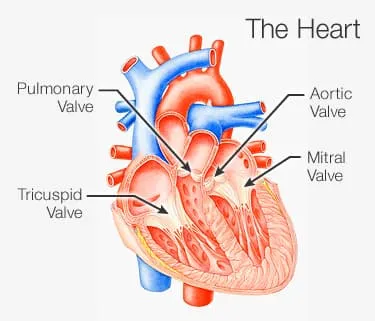
The valves consist of flaps that open to let blood flow in one direction as it moves through the chambers of the heart. Then the valves close to keep blood from flowing backwards into the chamber it just left. Each valve typically has three flaps, except for the mitral valve, which has two.
Any of the four valves can become leaky. This means that just after the heart squeezes and pumps blood forward, some blood will leak backward through the valve. Leaking through the valve is also called valve regurgitation.
How Is a Leaky Heart Valve Diagnosed?
A doctor usually diagnoses a leaky heart valve by:
- Listening to the heart with a stethoscope for abnormal sounds such as a heart murmur
- Looking at the results of a heart ultrasound, also called an echocardiogram
A person’s description of symptoms along with the physical exam and echocardiogram can determine how serious a leaky heart valve is.
Symptoms of a Leaky Heart Valve
Frequently, a leaky heart valve causes no symptoms. Many healthy people have one or more valves that are slightly leaky.
If the heart valve leak is severe, it may impair the forward flow of blood. This can cause symptoms of congestive heart failure, which include:
- Shortness of breath, especially with exertion or when lying flat
- Leg swelling or fluid retention elsewhere in the body
Other symptoms of a leaky heart valve may include:
- Lightheadedness
- Rapid heartbeat
- Heart fluttering or palpitations
- Fatigue
Even when there is significant valve regurgitation, there may be no symptoms.
Leaky Heart Valve and Aortic Regurgitation
Causes of a leaky aortic valve include:
- A bicuspid aortic valve, which means the valve has two flaps instead of the normal three
- High blood pressure, or hypertension
- Infection of the heart valve, known as endocarditis
- Marfan syndrome
- Rheumatic heart disease
Many people with aortic regurgitation only require observation over time.
People with symptoms due to severe aortic valve regurgitation may benefit from certain blood pressure medicines called vasodilators. Other drug treatments for congestive heart failure, such as diuretics, can be helpful in severe aortic regurgitation.
When aortic regurgitation is severe, surgery is sometimes the recommended treatment. A surgeon will usually replace or repair the leaking aortic valve.
Leaky Heart Valve and Mitral Regurgitation
Causes of a leaky mitral valve include:
- Mitral valve prolapse (an improper closing of the valve)
- An enlarged heart, called cardiomyopathy, due to hypertension, coronary artery disease, or another cause
- Endocarditis
- Rheumatic heart disease
Some people with a leaky mitral valve don't require treatment. The standard approach is observation over time. Experts don't recommend daily medication for mitral regurgitation unless there is significant heart failure.
Surgery to repair or replace a mitral valve that is leaking severely can result in significant improvement for certain people. Because mitral regurgitation is slowly progressive, deciding when to operate -- neither too early, nor too late -- can be difficult.
Leaky Heart Valve and Tricuspid Regurgitation
Many healthy adults have a slightly leaky tricuspid valve. This may be discovered incidentally, usually causes no problems, and does not require treatment or follow-up.
Moderate or severe tricuspid regurgitation may result from pulmonary hypertension. Pulmonary hypertension is high blood pressure in the pulmonary artery. This high blood pressure has many possible causes. The main one is congestive heart failure.
Medicines may not be effective in treating tricuspid regurgitation. Diuretics, or water pills, can help relieve body swelling, or edema, that’s due to congestive heart failure. The swelling is not always present, however.
The tricuspid valve may be repaired during surgery to correct other leaky heart valves. Surgical repair of the tricuspid valve generally works better than replacing it. Surgery to replace the tricuspid valve by itself (not along with the mitral or aortic valve) is only recommended in rare cases.
Leaky Heart Valve and Pulmonary Regurgitation
Like the tricuspid valve, a small amount of pulmonic regurgitation may be present in healthy people. There are rare cases when a leaky pulmonary valve causes problems. These may be due to:
- Elevated blood pressure in the pulmonary artery (pulmonary hypertension)
- Previous surgery as a child to repair a severe heart defect
Usually, no treatment is required for pulmonary regurgitation. Treating the underlying medical condition is the best approach.
Living With a Leaky Heart Valve
Everyone with a leaky heart valve can benefit from daily exercise, like walking. Before engaging in competitive or contact sports, people with severe valve regurgitation should talk with their doctors.
Not smoking and maintaining a healthy weight are just as important for people with leaky heart valves as for other people. Regular follow-up with a doctor, even when there are no symptoms, can ensure a leaky heart valve does not cause problems that could be avoided.