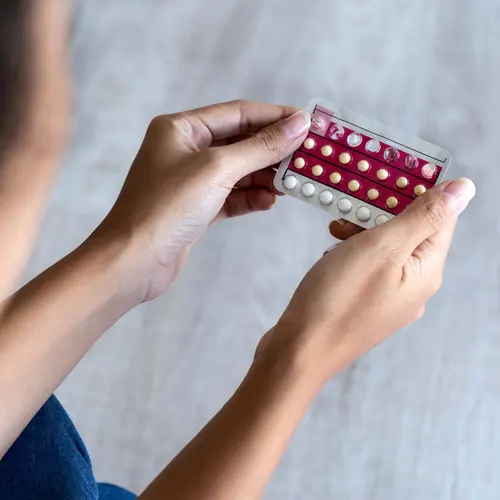
When it comes to getting pregnant, many people don’t know the whole truth. Myths and misconceptions about birth control abound. There’s also confusion about how you can conceive, too. These questions and answers separate fact from fiction.
Can I get pregnant from pre-ejaculate?
Yes. Pre-ejaculate is a clear fluid that men release when they’re sexually aroused. Although it doesn’t contain any sperm on its own, pre-ejaculate can mix with sperm on its way out of the penis.
In fact, one study found sperm in the pre-ejaculate of more than 40% of men. That’s why the pull-out, or withdrawal, method isn’t foolproof. Even if the man removes their penis before they ejaculate, sperm in the pre-ejaculate can still fertilize an egg.
Is it true that I won’t get pregnant while I’m on my period?
Although the odds are lower, you can still get pregnant during your period. There are a few ways it can happen: What you think is your period may actually be bleeding caused by ovulation. That’s when your ovaries release an egg. It’s also possible to ovulate during menstruation. And there’s a chance of getting pregnant if you ovulate shortly after your period. Sperm can fertilize eggs for up to 3 days. If you have sex at the end of menstruation and ovulate a few days later, you can get pregnant.
Is it possible to get pregnant from anal sex?
It’s very unlikely, but you can get pregnant from anal sex. The sperm may travel from the anus to the vagina. This may be caused by ejaculation near the vagina. Or you or your partner may get semen or pre-ejaculate on your fingers and then touch the vagina. If you're ovulating, this sperm may fertilize the egg. To prevent pregnancy, use a condom. It also protects against sexually transmitted diseases (STDs). You’re more likely to get an STD from anal than vaginal sex.
Will I get pregnant from oral sex?
You won’t get pregnant from oral sex by itself. Sperm must enter the vagina to fertilize an egg. If your partner ejaculates near the vagina or puts their erect penis near your vagina, there’s a risk of pregnancy. You can also spread sperm by touching semen or pre-ejaculate and then touching the vagina. STDs are spread through oral sex, so it’s smart to use a condom.
Is there a chance I can get pregnant from swallowing semen?
No. Once you swallow semen, your body treats it as it would food. It starts to digest, and the sperm are usually killed in your stomach and intestines. But even if some survive, there’s no way they can travel through the blood to your vagina or uterus.
Does wearing clothing protect you from getting pregnant?
Yes. Staying dressed can block sperm from entering the vagina. In theory, it’s possible that sperm may make its way past your underwear. But that’s very unlikely. The more layers you have on and the thicker the fabric, the harder it is for sperm to reach the vagina.
Can I get pregnant if I’m already pregnant?
You can, although it’s super rare. Most of the time, your hormones change when you’re pregnant. You stop ovulating, so you can’t get pregnant again. But a very small number of women may ovulate once or more during pregnancy. This may result in another pregnancy, called a superfetation.
I’m breastfeeding. Does that mean I can’t get pregnant?
Your chances are lower, but you can still get pregnant while nursing. Breastfeeding raises levels of a hormone that suppresses ovulation. You’re least likely to conceive in the first 3 months of breastfeeding, but it is possible to start ovulating earlier. You can get pregnant, even if you haven’t had a period. Talk to your doctor about what type of birth control is best for you.
Is it true that you can’t get pregnant if the woman doesn’t have an orgasm?
No. Some people think that a woman’s orgasm helps push the sperm upward. But science shows it doesn’t have any effect. You’ll get pregnant anytime sperm fertilizes an egg, whether or not there’s an orgasm involved.
Will douching after sex prevent pregnancy?
Douching, or washing your vagina with water or other fluids, doesn’t work as contraception. Sperm swim quickly. By the time you douche, many of them have already entered your uterus. In fact, douching can push more sperm upward. It may also raise your risk of vaginal infections and sexually transmitted infections.
I’ve heard that women are fertile only one day a month. So can women have sex without contraception safely during the other days?
It’s true that your ovaries usually release an egg one day a month. But you can get pregnant in the days leading up to ovulation, too. That’s because sperm can live inside a woman’s body for up to 5 days. The window for getting pregnant is around 6 days. The problem is that the day of ovulation often changes from month to month. It’s hard to predict when you’ll be fertile. You can guess by closely tracking your menstrual cycle, temperature, cervical mucus, and the look of your cervix. This is called the rhythm method. But even this form of birth control only works 76% of the time.
Does having sex standing up or with the woman on top protect against pregnancy?
Some people think that certain positions, such as standing up, keep sperm from entering the vagina. But this isn’t the case. Sperm swim quickly against gravity. Even if it seems like the ejaculate would fall out of your body, enough of the sperm could enter and can lead to pregnancy.
If we don’t have a condom, can we use plastic wrap or a balloon?
You shouldn’t try to DIY a condom. Plastic wrap, balloons, and other materials don’t work. They don’t fit and can fall off. They also break easily. Condoms are designed to stay on during sex, and they’ve been tested to make sure they work.
Can I get pregnant if it’s my first time having sex?
You can get pregnant any time you have unprotected sex while you’re ovulating. It doesn’t matter how many times you’ve had sex before.
Does taking a shower or bath, or peeing, right after sex lower your chances of getting pregnant?
No. While bathing can wash away some of the semen on the outside of your vagina, it won’t affect the sperm inside it. These sperm swim quickly to the uterus.
Peeing also won’t rinse the sperm away. That’s because pee doesn’t come out of your vagina. It leaves the body from your urethra, a tiny hole above your vagina.
I just started taking the birth control pill. Can I stop using contraception?
It can take time for the hormones in the pill to work. They prevent ovulation and thickening of the mucus around the cervix, which makes it hard for sperm to enter your uterus.
Experts recommend using a form of backup contraception, like condoms, for the first 7 days after you start the pill. Some doctors recommend using backup contraception for the whole first month, depending on when in your cycle you start taking them.
Can transgender men get pregnant?
Yes, trans men can get pregnant. It can happen if you have female reproductive organs inside your body, like ovaries and a uterus, and you have unprotected vaginal sex with a partner who has a penis. It’s possible to get pregnant even if you’re taking gender-affirming hormone therapy.
If you want to avoid pregnancy, it’s important for you and you and your partner to use birth control.
Can non-binary people get pregnant?
Yes. If you feel like your gender identity is something other than “man” or “woman,” it’s still possible for you or your partner to get pregnant from unprotected sex. Even if you were assigned male at birth and you’re taking feminizing hormone therapy, you could still get a partner pregnant from unprotected vaginal sex.