

DHEA supplements are used by some people who believe they can improve sex drive, build muscle, fight the effects of aging, and improve some health conditions. But there isn't much evidence for many of these claims. And the supplements have some risks.
Here's a rundown of what science actually knows about DHEA supplements and what you need to know about their safety.
What Is DHEA?
DHEA (dehydroepiandrosterone) is a hormone produced by your body's adrenal glands. These are glands just above your kidneys.
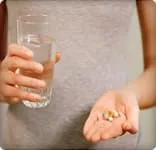
DHEA supplements can be made from wild yam or soy.
Scientists don't know everything DHEA does. But they do know that it functions as a precursor to male and female sex hormones, including testosterone and estrogen. Precursors are substances that are converted by the body into a hormone.
DHEA production peaks in your mid-20s. In most people, production gradually declines with age.
Testosterone and estrogen production also generally declines with age. DHEA supplements can increase the level of these hormones. That's why a number of claims have been made about their potential health benefits.
Those claims range from benefits such as:
- Building up the adrenal gland
- Strengthening the immune system
- Slowing natural changes in the body that come with age
- Providing more energy
- Improving mood and memory
- Building up bone and muscle strength
DHEA Supplements for Anti-Aging
Since DHEA levels decline with age, some researchers speculate that supplementing your body's falling levels of the hormone might help fight aging. And some small studies have reported positive anti-aging effects from the use of DHEA supplements. But a similar number of studies have reported no effect.
According to the Natural Medicines Comprehensive Database, DHEA supplements do not seem to affect the aging process.
Also, little is known about the effect of long-term use of DHEA. And there is some concern that continued use of DHEA supplements could be harmful.
DHEA Supplements for Health Conditions
DHEA supplements show some promise for easing mild to moderate depression. But more research is needed.
In a small, six-week study, researchers from the National Institute of Mental Health found that treatment with DHEA supplements helped relieve mild to moderate depression that occurs in some middle-aged people. DHEA may also be effective for improving aging skin in the elderly.
As for other conditions, both National Standard and the NIH say the evidence is unclear whether DHEA has any significant benefit in treating conditions such as:
- Alzheimer's disease
- Low bone density
- Heart disease
- Cervical cancer
- Myalgic encephalomyelitis/Chronic Fatigue Syndrome
- Crohn's disease
- Infertility
- Rheumatoid arthritis
- Schizophrenia
- Sexual dysfunction
Both agencies also say there is little evidence to support claims that DHEA has value in treating conditions such as fibromyalgia, addressing issues with memory or muscle strength, or enhancing and stimulating the immune system.
Safety of DHEA Supplements
Possible side effects of DHEA supplements can include:
- Oily skin and acne, as well as skin thickening
- Hair loss
- Stomach upset
- High blood pressure
- Changes in menstrual cycle
- Facial hair in women
- Deepening of the voice in women
- Fatigue
- Nasal congestion
- Headache
- Rapid or irregular heart beat
- Insomnia
- Unfavorable changes in cholesterol levels
Some of these side effects can result from DHEA raising the level of testosterone and estrogen in a person's body. Medical experts caution that little is known about the long-term effect of the elevated hormone levels. DHEA supplements should not be taken long-term without consulting with a health care professional.
DHEA and Weight Loss
A version of DHEA supplement known as 7-Keto has been widely promoted as an aid for reducing body fat and raising metabolism. The idea is that leaner body tissue and higher metabolism will burn calories more efficiently, making it easier to not only lose weight but also keep it off.
Unfortunately, most of the studies that have been done have shown little effect from DHEA in losing weight or increasing metabolism. It's a good idea to talk with your doctor or a nutritionist before investing in a DHEA supplement for weight loss.
DHEA and Athletic Performance
DHEA supplements are sometimes used by athletes because of a claim that it can improve muscle strength and enhance athletic performance. That's because DHEA is a "prohormone" -- a substance that can increase the level of steroid hormones such as testosterone.
There is little evidence to show that DHEA has any effect on enhancing muscle strength. Its use is banned by sports organizations such as the National Football League, Major League Baseball, and the National Collegiate Athletic Association.
There are risks associated with using any pre-steroid enhancer. And the higher the dose, the greater the risk. Possible side effects include:
- Permanent stunting of growth
- Aggressive behavior, known as "roid rage"
- Mood swings and other psychological symptoms
- Higher blood pressure
- Liver problems
- Changes in cholesterol level
Since DHEA can increase the level of both testosterone and estrogen, women who use DHEA can sometimes experience such side effects as:
Men can sometimes experience such symptoms as:
- Breast enlargement
- Shrunken testicles
- Reduced sperm production
Talking With Your Doctor
If you are thinking of using DHEA supplements, there are several reasons you should discuss doing so with your doctor first:
- Many of the claims for DHEA involve serious medical conditions. These conditions need to be evaluated and treated by a health care professional.
- DHEA can interact with some medications and could alter their effectiveness.
- Because DHEA can raise the level of both male and female hormones, the supplements can have a negative effect on hormone-sensitive cancers, such as breast, ovarian, or prostate cancer.
- Use of DHEA carries some risk and can cause a range of side effects.