What You Should Know About Your Antidepressants

How Antidepressants Work
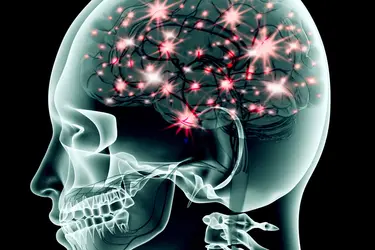
Most depression drugs work by changing the balance of brain chemicals called neurotransmitters, which affect your mood. They include serotonin, noradrenaline, and norepinephrine. Your primary care doctor can prescribe antidepressants. But if your symptoms are severe, they’ll refer you to a psychiatrist. That’s a doctor who specializes in mental health. Medication can help with depression symptoms, but it doesn’t always treat the causes of your depression.

What Do All Those Letters Mean?
Different classes of antidepressants work on different brain chemicals. Tricyclics (TCAs) and serotonin norepinephrine reuptake inhibitors (SNRIs) raise serotonin and norepinephrine levels in your brain. Selective serotonin reuptake inhibitors (SSRIs) raise serotonin. Monoamine oxidase inhibitors (MAOIs) stop monoamine neurotransmitters from breaking down.

Realistic Expectations
In general, antidepressants work really well, especially when used along with psychotherapy. This combination may give you better results than using either treatment alone. Most people on antidepressants say they have eventual improvements in symptoms such as sadness, loss of interest, and hopelessness. But these drugs don’t work right away. It may take 1 to 3 weeks or more before you start to feel better, and even longer before you feel the full benefit.

Do You Need to Switch?
Talk to your doctor if your symptoms haven’t improved after 3 months. You may need a stronger dose or a different antidepressant. Many people don’t get relief from the first antidepressant they try. Also, depression meds may stop working in a small number of people who’ve been taking them for a while. If this happens to you, your doctor can help. Work together to find the treatment that’s right for you. It may take time.

Brand Name vs. Generic
The FDA says the generic drugs it approves are as effective as the brand-name versions. Both types have the same active ingredient. Ask your doctor if you can take the generic form of a drug. It may cost less than the brand-name version.

Antidepressant Pitfalls
You may be tempted to quit taking your medicine even though it’s working well. Or you might think about stopping because the dosing schedule is inconvenient, or because there are unpleasant side effects. Also, some people with depression don’t improve with antidepressants and must explore other treatment options.

Treatment-Resistant Depression
If newer antidepressants don’t work, your doctor may prescribe cyclic antidepressants. These were some of the first antidepressants made. They raise serotonin and norepinephrine levels in your brain.

Antidepressant Success
Keep taking your antidepressants for as long as your doctor says so (usually at least 6 months). Do this even if you feel better sooner, or your depression could return.

Managing Side Effects
Don’t be shy in telling your doctor about any side effects. There are often ways to manage them.
For example, taking your antidepressant with food can help with nausea. If you’re having sexual problems, your doctor may change your medicine or add another one.
If you feel fatigued, try taking your medicine 1 to 2 hours before bedtime. If the antidepressant causes insomnia, take it in the morning. Many side effects go away on their own after a few weeks.

If You Have Thoughts of Suicide
For some people, thoughts of suicide can be a side effect of antidepressants -- especially in the first couple of months after you start one. It can also take a few weeks for antidepressants to start working. And depression itself puts you at risk for suicidal thoughts. Your doctor should watch you closely during this time. If you're thinking of harming yourself, contact your doctor or therapist right away.

Drug Interactions
The antidepressants used most often today have fewer side effects and drug interactions than older versions. Still, any antidepressant can interact with other medications. Let your doctor know about any new prescription drug, over-the-counter medicine, or dietary supplement you plan to take. These could affect how your depression medication works.

Follow-Up Care
It’s important to keep going to all your doctor appointments while you’re on antidepressants.
It’s common for depression to come back. That’s called a relapse. Your doctor may change the dose -- or prescribe a new medication -- if your symptoms return. Be sure to tell your doctor about any major changes in your life, such as losing a job, developing another medical condition, or becoming pregnant.

Antidepressants and Anxiety
Your medication may make you feel jumpy or nervous. Exercise can help. Try a relaxing workout like yoga, or deep breathing exercises. Your doctor can switch you to a different antidepressant if that doesn’t help.

Antidepressant Myths
Some people worry antidepressants will turn them into a “robot.” The fact is, antidepressants can ease feelings of sadness, but they don’t get rid of your emotions.
Another myth is that you’ll need to take the drugs for life. A typical course of antidepressants lasts 6 to 12 months in people who’ve had only a single episode of major depression. But you may need treatment longer if you’ve had multiple episodes of depression in your life. Also, if you’ve heard antidepressants are physically addictive, that’s not true. Still, you could have unpleasant symptoms if you stop taking them suddenly.

Benefits of Psychotherapy
Studies show “talk” therapy and antidepressants are often the most effective way to treat depression. Types of therapy include cognitive behavioral therapy, which focuses on changing negative thoughts and behaviors, and interpersonal therapy, which focuses on your relationships with others.

Depression and Exercise
Exercise releases endorphins, chemicals linked to improved mood and lower rates of depression. Several studies suggest regular exercise is an effective treatment for mild to moderate depression. Group workouts or exercising with a partner may also be helpful.

Coming Off Your Antidepressant
Your doctor will help you figure out the right time to stop your antidepressants. Quitting suddenly can cause unpleasant side effects or even a relapse. You could go into withdrawal for up to 2 weeks. You might be dizzy, nauseated, tired, or have headaches. Or you might get vertigo, which is when you feel like you or things around you are moving. Your depression symptoms may come back, too. Work with your doctor to slowly stop taking your medicine.