

What Is Agave?
Agave is a genus of the Asparagaceae family. It’s native to several areas of the Americas, including Mexico and the Caribbean. Agave nectar comes from the blue agave plant as well as Agave americana, which is also known as maguey or the century plant. This is the same plant that's used to make tequila.
Agave nectar is a sweetener that you can use as an alternative to sugar. It’s much sweeter, so you can use less of it for the same effect. It's more natural than other alternative sweeteners. It’s also vegan, so it's an attractive alternative to honey for some people.
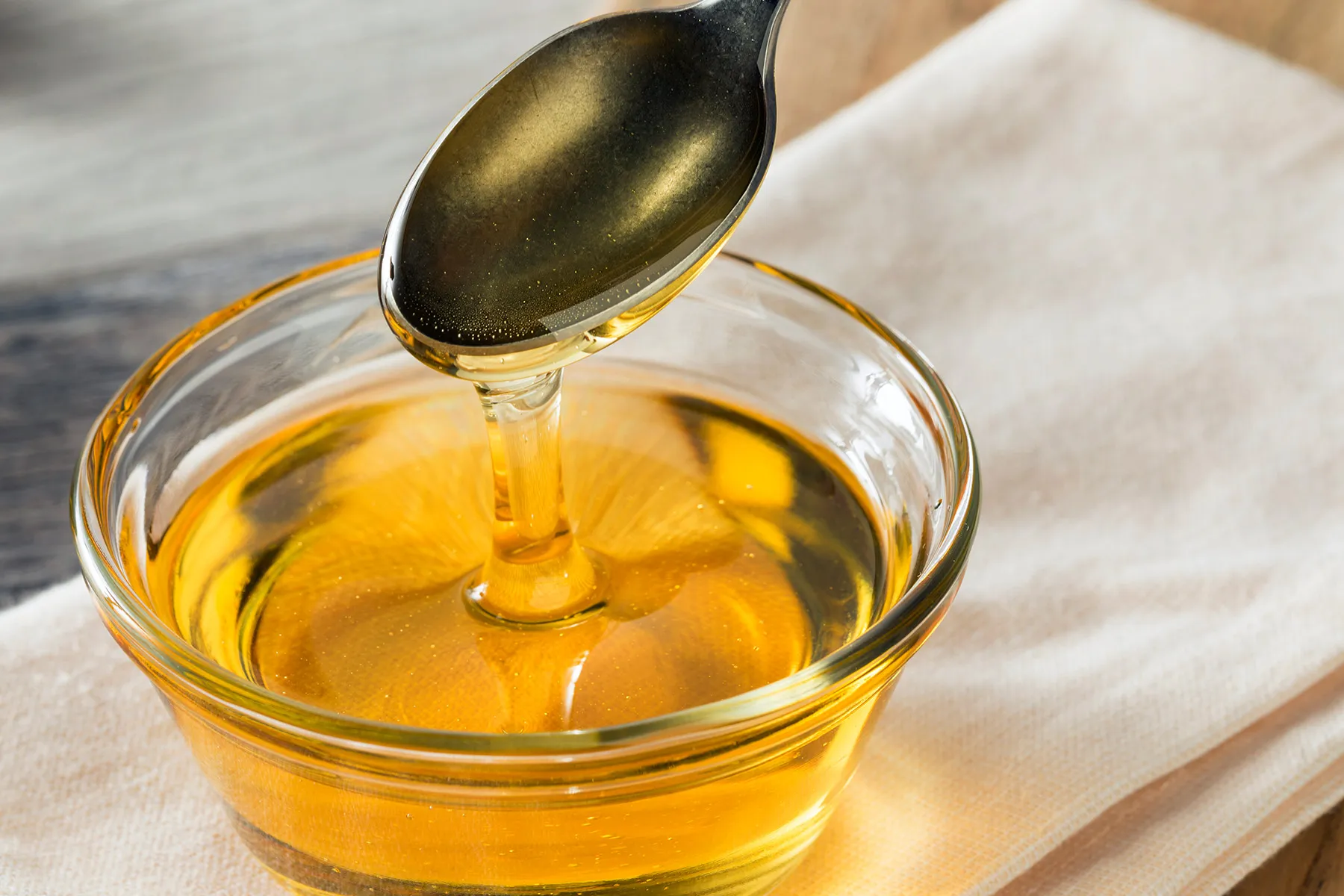
Agave Nutrition Information
All parts of the agave plant can be used, but agave nectar is what you see on the grocery store shelves.
One serving of light agave nectar (1 tablespoon) contains:
- Calories: 60
- Fat: 0 grams
- Cholesterol: 0 milligrams
- Sodium: 0 milligrams
- Carbohydrates: 16 grams
- Dietary fiber: 0 grams
- Sugar: 16 grams
- Protein: 0 grams
Agave also has small amounts of important vitamins like:
- Riboflavin (vitamin B2)
- Pyridoxine (vitamin B6)
- Folate (vitamin B9
- Vitamin K
These B vitamins may support your immune system in different ways.
Potential Health Benefits of Agave
Here are some of the possible benefits of agave:
It's low on the glycemic index (GI). If you have diabetes, a low-GI diet may help you control your blood sugar.
Vitamin B6, which is found in agave, plays a big role in how your body breaks down food, particularly proteins and carbohydrates.
Vitamin B6 may also reduce morning sickness in women who are pregnant. Folate, which is also present in agave, helps develop your baby's nervous system.
Vitamin B6 helps keep your homocysteine levels low. That can help protect you from heart disease and stroke.
Vitamin K and folate in agave syrup may offer mental health benefits. Studies have found higher levels of vitamin K are tied to a lower risk of depression. Folate may also ease symptoms of depression, but research is limited.
Potential Risks of Agave
While agave is a natural sweetener, that doesn't necessarily mean that there aren't risks associated with it.
It has more calories than common table sugar (60 per 3-teaspoon serving, as opposed to sugar's 48).
Just like other sweeteners, too much of it can lead to things like:
- Obesity
- Type 2 diabetes
- Heart disease
- Tooth decay
If you are going to use agave, use it sparingly.
You also shouldn't give agave to infants because it is not pasteurized. Their developing digestive systems can't handle it yet.
Have you heard that agave is a better sweetener for people with diabetes? In theory, it's high in fructose and low on the glycemic index, making it a better option than refined sugar. But there's not a lot of research to back that up.
The American Diabetes Association lists agave as a sweetener to limit, along with regular table sugar, brown sugar, honey, maple syrup, and all other sugars.
The American Heart Association recommends limiting sweeteners to no more than 6 teaspoons for women and 9 teaspoons for men per day, on average. That includes all sources, whether it's agave, sugar, high-fructose corn syrup, or anything else.
If you’re craving something sweet, the best choices are unprocessed whole foods like fruit, which has lots of vitamins and fiber and other nutrients along with the sugar hit.
Healthier Alternatives to Agave
The healthiest choice for sweetening your foods or drinks is fresh or frozen fruit. You could add it to things like yogurt, smoothies, pancakes, oatmeal, or waffles.
Some other natural flavorings can also help. These include:
- Vanilla extract
- Almond extract
- Cocoa powder
- Cinnamon
Stevia, a plant-based sweetener, is also a possibility. It has zero calories and you can use it in all the places you would use regular sugar. If you have diabetes or prediabetes, stevia won't spike your blood sugar like other sweeteners.