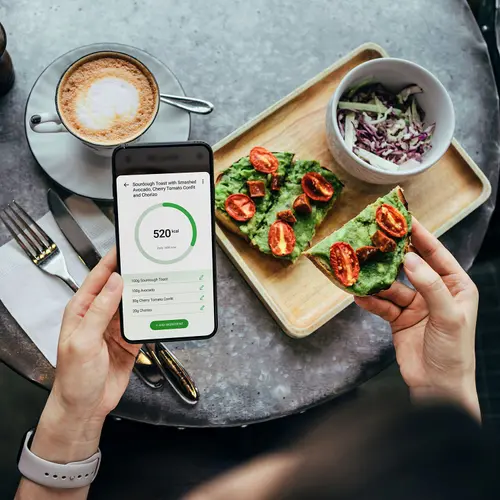

If you've followed a fad diet, you have plenty of company. But have you been able to stay on these deprivation diets for a long time? And if you did lose weight, did the pounds stay off once you went back to your usual way of eating?
Fad diets don't help you keep off the weight in the long term. So what does work? The best diet is not a diet at all, but a way of life that includes food you enjoy, exercise, and healthy habits.
Here's some simple, straightforward advice.
Variety is Key
Just as a car needs the proper gasoline to make it run, a body needs a healthy diet to develop properly. That means the right balance of protein, carbohydrates, and fat -- as well as a host of other nutrients.
When you go on a fad diet and exclude necessary nutrients, you're putting yourself at risk for becoming ill. Getting too little of any nutrient may not cause an immediate problem. But if it's lacking for a long time, you may find you have health problems.
Practice Portion Control
Food servings have grown larger and larger over the years. And fast-food restaurants aren't the only places you'll find supersized meals. Researchers have noted that from 1970 through the 1990s, portion sizes of hamburgers, burritos, tacos, french fries, sodas, ice cream, pie, cookies, and salty snacks increased -- whether the foods were eaten at home or at restaurants.
What does a healthy serving size look like?
- A cup of fruit should be no larger than your fist.
- An ounce of cheese is about the same as the size of your thumb from base to tip.
- 3 ounces of meat, fish, or poultry (a normal serving) is about the size of your palm.
- 1 to 2 ounces of nuts equals your cupped hand.
Here are some simple tricks to scale back your portions (and calories):
- Serve your meals on salad plates instead of large dinner plates.
- Store snack foods in tiny sandwich bags.
- When ordering out, share your entrée with a friend. Or eat half and take the rest home for later.
- Ask for a kids' meal or small size at a fast-food restaurant. Never go for a supersized portion.
Then, Follow These Simple Strategies
- Eat a variety of foods. Make sure your diet includes lean protein; complex carbohydrates such as whole grains, fruits, and vegetables; and "good" fats like omega-3 fats from fish and monounsaturated fats from avocados, nuts, and olives or olive oil. When you go on a fad diet and exclude necessary nutrients, you're putting yourself at risk for becoming ill. Getting too little of any nutrient may not cause an immediate problem. But if it's lacking for a long time, you may find you have health problems
- Say no to bad fats. Minimize how much saturated fat you get from animal sources, and eliminate trans fats from the fried foods, snacks, and fast-food products you eat.
- Eat plenty of fruits and vegetables. How many depends on your age, sex, and activity level. A good reference point for adults is 2 to 3 cups of vegetables and 1.5 to 2 servings of fruits a day.
- Exercise at least 150 minutes each week. This can be divided into smaller blocks of time. For example, you could do a brisk walk for 10 minutes three times a day for 5 days to reach 150 minutes.
- Clean out the kitchen! Toss out high-calorie, high-fat, sugary foods that will tempt you to overeat -- chips, cookies, crackers, ice cream, candy bars, and the like. Then, fill your fridge and cupboards with lean protein, fruits, vegetables, whole grains, legumes, nuts, seeds, good fats, and fat-free or low-fat dairy products.
- Eat smaller meals more frequently. Aim for five to six mini-meals per day. Space your meals every 3 to 4 hours. Try taking low fat cheese and whole-grain crackers to school or work for a snack, or eat a tablespoon of peanut butter with one slice of whole-grain bread. Find foods that are healthy and that keep you full.
- Fill up on the good stuff. Pile on the salad and super servings of green beans, broccoli, cabbage, kale, or other low-calorie vegetables instead of high-fat foods, breads, pasta, and desserts. If you’re still hungry after a meal and you want seconds, go for veggies.
- Snack on berries. Dark berries (blueberries, blackberries, cherries, and raspberries) are rich in healthy antioxidants. They’re also low in calories and fat and high in fiber.
- Avoid "empty calories." Steer clear of sugar-containing sodas and fruit drinks. Limit refined sugars found in candy, cookies, and cakes.
If you need more information on weight loss and dieting, talk to your health care provider or a registered dietitian. Ask your doctor about your "ideal" weight and the number of calories you must eat to lose pounds and maintain an ideal weight.
Also, ask friends, family, or co-workers to join you as you work to change your eating habits and pare down your weight. Sticking to a weight loss plan is much easier when you have someone to support you.