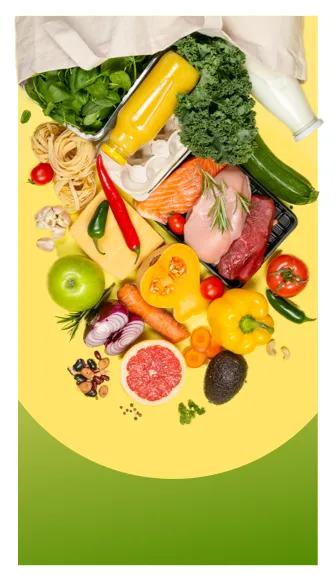
Living Healthy
Become your best self. Discover new ways to live an inspiring life through natural beauty, nutrition and diet, an active lifestyle, and better relationships.
Popular Tools and Calculators



Fitness and Exercise




Weight Loss and Diet

Article
Potassium Rich Foods
Are you getting enough potassium? Add these foods to your diet to be sure.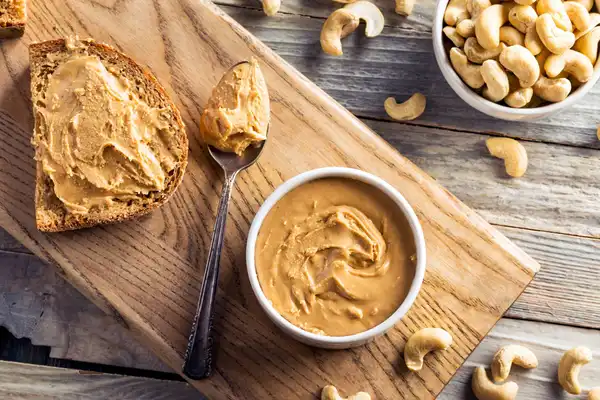
Slideshow
Health Benefits of Nut Butters
Nut butters go beyond being a tasty treat. Find out how they can keep you feeling full, burn energy, and more.
Slideshow
Should You Be Eating Eggs?
They've gotten a bad rap in some circles, but eggs are full of nutrients and protein. Here's what you need to know.
Slideshow
All About Berries
These fruits offer a lot of nutrition in a small, sweet package. See how blueberries, strawberries, acai berries, and more can give your health a boost.

Healthy Beauty

Slideshow
Your Lifestyle and Your Skin
Learn how what you eat, where you go, and how you feel makes an impact.
Article
In a Skin Care Rut?
Give your routine a tune up with these 7 best natural ingredients for your skin.
Quiz
The Truth About Cosmetic Surgery
Separate myths from facts about breast implants, eyelid surgery, and more.

Healthy Aging

Slideshow
Best Foods as You Age
From sweet potatoes to spices, here's what you should be eating.
Slideshow
Taking Your Vitamins?
Find out which ones will benefit you -- and which won't.
Article
Why Exercise Matters
Find out which ones will benefit you -- and which won't.
Article
The Facts About Omega-3s
Why you should add more fatty acids to your diet as you age.