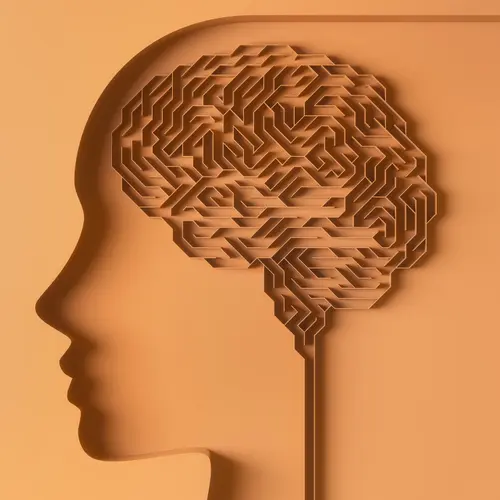
Schizophrenia is a chronic, severe mental disorder that affects the way a person thinks, acts, expresses emotions, perceives reality, and relates to others. Schizophrenia isn’t as common as other major mental illnesses, affecting less than 1% of the U.S. adult population, but it can be one of the most chronic and disabling.
People with schizophrenia often have problems functioning in society, work, school, and relationships. They might feel scared and withdrawn or appear to have lost touch with reality. This lifelong disease doesn’t have a cure; however, it can be controlled with proper treatment.
Contrary to popular belief, schizophrenia is not a split or multiple personality. Schizophrenia involves psychosis, a type of mental illness in which you can’t tell what’s real from what’s imagined. At times, people with psychotic disorders such as schizophrenia lose touch with reality. Their world may blend confusing thoughts, images, and sounds together. Because of their distorted reality, people with this condition may show strange and even shocking behavior. A sudden change in their personality or behavior is called a psychotic episode.
The severity of schizophrenia varies from person to person. Some people have only one psychotic episode, while others have many episodes during their lifetime. In between psychotic episodes, you may lead a relatively normal life. Still, others may have more trouble functioning over time, with little improvement between full-blown psychotic episodes. Schizophrenia symptoms seem to worsen, then improve, in cycles known as relapses and remissions.
Schizophrenia Symptoms
Early schizophrenia symptoms
Schizophrenia usually shows its first signs in men during their late teens or early 20s, and in women in their late 20s to early 30s. It affects men and women at an equal rate. The period when symptoms first start and before full psychosis appears is called the prodromal period. It can last days, weeks, or even years. The prodromal period can be hard to identify because there’s often no specific trigger. You might only notice subtle behavioral changes, especially in teens. This includes:
- A change in grades
- Social withdrawal
- Trouble concentrating
- Temper flares
- Difficulty sleeping
Positive schizophrenia symptoms
In this case, the word positive doesn’t mean good. It refers to added thoughts or actions that aren’t based on reality. They’re sometimes called psychotic symptoms. The symptoms can include:
Delusions . These are false, mixed, and sometimes strange beliefs that aren’t based on reality. The person refuses to give up these beliefs, even when shown the facts. For example, a person with delusions may believe that people can hear their thoughts, that they are God or the devil, or that people are putting thoughts into their head or plotting against them.
Hallucinations. These involve sensations that aren't real. Hearing voices is the most common hallucination in people with schizophrenia. The voices may comment on the person's behavior, insult them, or give commands. Less common types include seeing things that aren't there, smelling strange odors, having a funny taste in your mouth, and feeling sensations on your skin even though nothing is touching your body.
Catatonia. In this condition, the person may stop speaking, and their body may be fixed in a single position for an extended period.
Disorganized schizophrenia symptoms
These are positive symptoms showing the person can’t think clearly or respond as expected. Examples include:
- Talking in sentences that don’t make sense or using nonsense words, making it difficult for the person to communicate or hold a conversation. This is referred to as disorganized speech.
- Shifting quickly from one thought to the next without obvious or logical connections between them
- Slow movement
- Being unable to make decisions
- Writing a lot but without meaning
- Forgetting or losing things
- Repeating movements or gestures, such as pacing or walking in circles
- Having problems making sense of everyday sights, sounds, and feelings
Cognitive schizophrenia symptoms
The person will have trouble:
- Understanding information and using it to make decisions (a doctor might call this poor executive functioning)
- Focusing or paying attention
- With limited working memory, meaning they have difficulty using information after receiving it.
- Recognizing the above problems and symptoms that others around them see.
Negative schizophrenia symptoms
The word "negative" here doesn’t mean "bad." It notes the absence of normal behaviors in people with schizophrenia. Negative symptoms of schizophrenia include:
- Lack of emotion or a limited range of emotions
- Withdrawal from family, friends, and social activities
- Less energy
- Lack of motivation
- Loss of pleasure or interest in life
- Poor hygiene and grooming habits
Schizophrenia Causes
The exact cause of schizophrenia is unknown. But like cancer and diabetes, schizophrenia is an actual illness with a biological basis. Researchers have uncovered several factors that appear to make someone more likely to get the condition. They are:
Genetics (heredity). Schizophrenia can run in families, which means there is a greater likelihood that schizophrenia may be passed on from parents to their children.
Brain chemistry and circuits. People with schizophrenia may not be able to regulate brain chemicals called neurotransmitters that control specific pathways, or "circuits," of nerve cells that affect thinking and behavior.
Brain abnormality. Research has found abnormal brain structure in people with schizophrenia. But this doesn’t apply to all people with schizophrenia. It can affect people without the disease.
Environment. Viral infections, marijuana, smoking, childhood trauma, social defeat, malnutrition, vitamin D deficiency, social cognition, and lower intelligence quotient may play a part in triggering schizophrenia in people whose genetic makeup puts them at risk. Schizophrenia more often surfaces when the body is having hormonal and physical changes, such as during the teen and young adult years.
Who Gets Schizophrenia?
Anyone can get schizophrenia. It affects people all over the world, from all races and cultures. While it can happen at any age, schizophrenia typically first appears in the teenage years or early 20s. The disorder affects men and women equally although symptoms generally appear earlier in men. The earlier the symptoms start, the more severe the illness tends to be. Children over the age of 5 can have schizophrenia, but it’s rare before adolescence.
Schizophrenia Diagnosis
If symptoms of schizophrenia are present, your doctor will perform a complete medical history and sometimes a physical exam. While there are no laboratory tests to specifically diagnose schizophrenia, the doctor may use various tests, including blood tests or brain imaging studies, to rule out another physical illness or intoxication (substance-induced psychosis) as the cause of the symptoms.
If your doctor finds no other physical reason for the schizophrenia symptoms, they may refer you or your loved one to a psychiatrist or psychologist -- mental health professionals trained to diagnose and treat mental illnesses. Psychiatrists and psychologists use specially designed interviews and assessment tools to evaluate a person for a psychotic disorder. The therapist bases their diagnosis on the person's and family's report of symptoms and their observation of the person's attitude and behavior.
To be diagnosed with schizophrenia, you must have at least two of these symptoms for a minimum of 6 months:
- Delusions
- Hallucinations
- Disorganized speech
- Disorganized or catatonic behavior
- Negative symptoms
One of the symptoms has to be:
- Delusions
- Hallucinations
- Disorganized speech
You must have a month of active symptoms during the 6-month period. However, it can be less with successful treatment. Symptoms should negatively affect you socially or at work and shouldn’t be caused by any other condition.
Schizophrenia Treatment
The goal of schizophrenia treatment is to ease the symptoms and decrease the risk of relapse, or return of symptoms. Treatment may include:
Medications
The primary medications used to treat schizophrenia are called antipsychotics. Some are pills that are swallowed, some are injections, and some are once-monthly injections. These drugs don’t cure schizophrenia but help ease the most troubling symptoms, including delusions, hallucinations, and thinking problems.
Older (commonly referred to as "first-generation") antipsychotic medications include:
- Chlorpromazine (Thorazine)
- Fluphenazine (Prolixin)
- Haloperidol (Haldol)
- Loxapine HCL (Loxapine)
- Perphenazine (Trilafon)
- Thiothixene (Navane)
- Trifluoperazine (Stelazine)
Newer ("atypical" or second-generation) drugs used to treat schizophrenia include:
- Aripiprazole (Abilify)
- Aripiprazole lauroxil (Aristada)
- Asenapine (Saphris)
- Brexpiprazole (Rexulti)
- Cariprazine (Vraylar)
- Clozapine (Clozaril)
- Iloperidone (Fanapt)
- Lumateperone (Caplyta)
- Lurasidone (Latuda)
- Olanzapine (Zyprexa)
- Olanzapine/samidorphan (Lybalvi)
- Paliperidone (Invega Sustenna)
- Paliperidone (Invega Trinza)
- Quetiapine (Seroquel)
- Risperidone (Risperdal)
- Ziprasidone (Geodon)
Note: Clozapine is the only FDA-approved medication for treating schizophrenia that is resistant to other treatments. It’s also used to lessen suicidal behaviors in those with schizophrenia who are at risk.
A new class of pharmaceutical drugs called muscarinic agonists are currently under trial for the treatment of schizophrenia.
Coordinated specialty care (CSC)
This is a team approach to treat schizophrenia when the first symptoms appear. It combines medicine and therapy with social services, employment, and educational interventions, with the family involved as much as possible. Early treatment is key to helping people with the condition lead healthy lives.
Psychosocial therapy
While medication may help ease symptoms of schizophrenia, various psychosocial treatments can help with the behavioral, psychological, social, and occupational problems that come with the illness. Through therapy, people can also learn to manage their symptoms, identify early warning signs of relapse, and come up with a relapse prevention plan. Psychosocial therapies include:
- Rehabilitation, which focuses on social skills and job training to help people with schizophrenia function in the community and live as independently as possible
- Cognitive remediation, which involves learning techniques to overcome problems with information processing. Drills, coaching, and computer-based exercises may strengthen mental skills that involve attention, memory, planning, and organization.
- Individual psychotherapy, which can help the person better understand their illness and learn coping and problem-solving skills
- Family therapy, which can help family members cope with and support a loved one who has schizophrenia
- Group therapy/support groups, which can provide continuing mutual support
Hospitalization
Many people with schizophrenia may be treated as outpatients. But hospitalization may be the best option for people:
- With severe symptoms
- Who might harm themselves or others
- Who can’t take care of themselves at home
Electroconvulsive therapy (ECT)
In this procedure, electrodes are attached to the person's scalp. While they’re asleep under general anesthesia, doctors send a small electric shock to the brain. ECT therapy usually involves two to three treatments per week for several weeks. Each shock treatment causes a controlled seizure. A series of treatments over time leads to improvement in mood and thinking. Scientists don’t fully understand how ECT and the controlled seizures it causes help. Some researchers think ECT-induced seizures may affect the release of neurotransmitters in the brain. ECT is less well-proven to help with schizophrenia than with depression or bipolar disorder, so it isn’t used very often when mood symptoms are absent. It can help when medications no longer work, or if severe depression or catatonia makes treating the illness difficult.
Research
Researchers are looking at deep brain stimulation (DBS) to treat schizophrenia. Doctors surgically implant electrodes that stimulate certain brain areas believed to control thinking and perception. DBS is an established treatment for severe Parkinson's disease and essential tremors, but it’s still experimental for the treatment of psychiatric disorders.
Are People With Schizophrenia Dangerous?
Popular books and movies often depict people with schizophrenia and other mental illnesses as dangerous and violent. Most people with schizophrenia aren't violent. More often, they withdraw and prefer to be left alone. When people with mental illness do take part in dangerous or violent behaviors, it’s generally a result of their psychosis and the fear that they’re being threatened in some way by their surroundings. Drug or alcohol use can make it worse.
On the other hand, people with schizophrenia can be a danger to themselves. Suicide is the top cause of premature death among people with schizophrenia.
What Is the Outlook for People With Schizophrenia?
With proper treatment, most people with schizophrenia can lead productive and fulfilling lives. Depending on how severe the condition is and how well they get and stick with treatment, they should be able to live with their families or in community settings rather than in long-term psychiatric hospitals.
Can Schizophrenia Be Prevented?
There’s no known way to prevent schizophrenia. However, early diagnosis and treatment can help avoid or ease frequent relapses and hospitalizations. Following a treatment plan can help cut the disruption to the person's life, family, and relationships.
Takeaways
Schizophrenia is a serious, lifelong mental illness. While there is no known specific cause, researchers believe the combination of genetic predisposition, triggering events, and environmental factors work together at the onset of the disease. Men and women are affected equally, with the majority of people seeing symptoms emerge in adolescence and young adulthood. Several treatments are available after diagnosis, and emerging treatments are also on the horizon. Early detection and treatment are crucial to helping those with the condition.
Schizophrenia FAQs
Can people with schizophrenia live normal lives?
While people with schizophrenia can struggle with living a normal life, it is possible. Early treatment, a strong support system, and the active pursuit of available resources can help reduce the chance of relapse and increase the likelihood of a normal life. Typically, 1 in 3 people diagnosed with schizophrenia experience remission of their symptoms with proper treatment.
What happens if schizophrenia is left untreated?
Left untreated, schizophrenia can derail an individual's life with serious consequences. Complications from schizophrenia can be:
- Suicide
- Suicidal thoughts and/or behaviors
- Depression
- Anxiety
- Obsessive-compulsive disorder
- Substance abuse
- Unemployment
- Unable to attend/finish school
- Poverty
- Homelessness
- Social isolation
- Being victimized
- Comorbid health and medical issues
- Aggression, although rare
How does schizophrenia affect a person's life?
Left untreated, schizophrenia can disrupt every facet of the individual's life. They often struggle with relationships, holding employment or attending school, lack finances, can become homeless, and are at risk of victimhood. Their daily existence wavers between reality and the imagination. People with schizophrenia can experience psychosis, struggle with substance abuse, and have an increased risk of suicide. With treatment, you can keep symptoms in remission and improve your health.