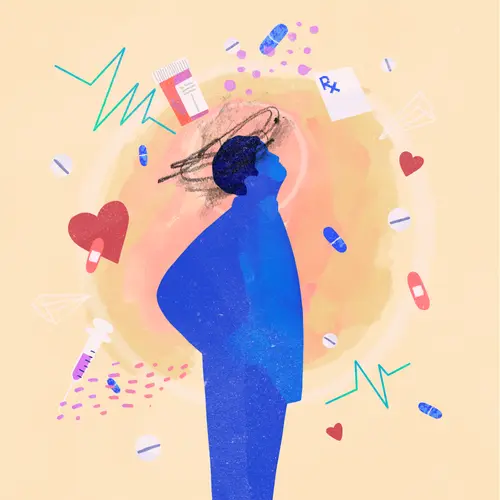
If you have schizophrenia, it's important to get treatment as quickly as possible. Medication is key, along with other types of care, such as psychotherapy, which is a kind of talk therapy, and social skills training.
But you have to be sure you take your medication. And that’s not always easy. Schizophrenia is a mental disorder that affects how a person acts, thinks, and feels. It can keep you from seeing the world in a normal way, which means you may not want to take your medication.
Schizophrenia causes many symptoms, including:
- Delusions (believing things that aren’t true)
- Hallucinations (seeing or hearing things that aren’t there)
- Jumbled or confused thinking and speaking
- Odd and random movements like strange posture
Doctors aren’t sure exactly what causes schizophrenia. There is no cure. So to treat it, a doctor will prescribe medications that can ease symptoms and prevent them from coming back.
Antipsychotics: Medications That Tame Psychosis
The medications doctors prescribe most often for schizophrenia are called antipsychotics. They ease symptoms such as delusions and hallucinations.
These drugs work on chemicals in the brain such as dopamine and serotonin. You can get them during an episode to help relieve psychosis quickly, and also take them long term to prevent symptoms.
You'll most likely have to take schizophrenia medication your entire life, even if your symptoms get better. You can take antipsychotics as a liquid, a pill, or as an injection.
If you think you might have trouble remembering to take medicine every day, you can try a shot you get from your doctor once or twice a month called a long-acting injectable antipsychotic medication (LAI). It works just as well as taking a daily pill.
Doctors will choose which medication is best by looking at the following:
- How well it works on your symptoms
- How much it will cost
- Side effects
- How easily you can get it
- How often you have to take it
Your doctor may adjust your dosage over time and might change the medication you take, depending on how you respond. In some cases, your doctor will prescribe more than one kind of antipsychotic drug.
Antipsychotics work best on "positive" symptoms like hallucinations and delusions. They may be less effective on "negative" symptoms like withdrawal and lack of emotion.
Types of Antipsychotic Medications
There are two groups of antipsychotics. Doctors call the older group of medications “first-generation,” “typical,” or “conventional” antipsychotics. Some common ones are:
- Chlorpromazine (Thorazine)
- Fluphenazine (Prolixin)
- Haloperidol (Haldol)
- Perphenazine (Trilafon)
- Thioridazine (Mellaril)
- Thiothixene (Navane)
- Trifluoperazine (Stelazine)
The newer ones are called “second-generation” or “atypical” antipsychotics. Examples of these medicines include:
- Aripiprazole (Abilify)
- Aripiprazole lauroxil (Aristada)
- Asenapine (Saphris)
- Brexpiprazole (Rexulti)
- Cariprazine (Vraylar)
- Clozapine (Clozaril)
- Iloperidone (Fanapt)
- Lumateperonee (Caplyta)
- Lurasidone (Latuda)
- Olanzapine (Zyprexa)
- Olanzapine/samidorphan (Lybalvi)
- Paliperidone (Invega Sustenna)
- Paliperidone palmitate (Invega Trinza)
- Quetiapine (Seroquel)
- Risperidone (Risperdal)
- Ziprasidone (Geodon)
Note: Clozapine is the only FDA-approved medication for treating schizophrenia that is resistant to other treatments.
Side Effects of Antipsychotics
While the first-generation, older meds usually cost less, they can have different side effects than the newer antipsychotics. Some can cause higher levels of the hormone prolactin. This can affect sex drive, mood, menstrual cycles, and growth of breast tissue in both men and women.
One of the common side effects of many of the newer antipsychotics is weight gain. You may also have trouble keeping your blood sugar and cholesterol levels under control.
One of the more serious side effects from long-term use of both the older and newer medications is a movement disorder called tardive dyskinesia. It makes your facial, tongue, and neck muscles move uncontrollably and can be permanent.
While both older and newer antipsychotics can cause tardive dyskinesia, researchers believe that the odds are higher with the older antipsychotics.
Antipsychotics come with other side effects as well. You could have any of the following:
- Weight gain
- Sexual problems
- Drowsiness
- Dizziness
- Restlessness
- Dry mouth
- Constipation
- Nausea
- Blurred vision
- Low blood pressure
- Seizures
- Low white blood cell count
Be sure you see your doctor regularly while taking antipsychotic medication. And talk to your doctor if you have any concerns about side effects.
Add-on Treatments
Along with antipsychotic drugs, your doctor may prescribe another type of medication. Depending on your symptoms, they could give you a mood stabilizer or antidepressant.
We need more research about how effective these treatments are for schizophrenia, but many doctors try them.
They might prescribe these extra drugs for what's known as treatment-resistant schizophrenia. This means antipsychotics don't address all your symptoms.
Mood Stabilizers
Mood stabilizers balance your moods. This means you're less affected by depression, anxiety, or excitement.
Mood stabilizers include:
- Lamotrigine (Lamictal)
- Lithium
- Carbamazepine (Tegretol)
- Valproic acid (Depakote)
Their side effects include:
- Itching and rashes
- Thirst and frequent peeing
- Trembling hands
- Nausea
- Slurred speech
- Fast or uneven heartbeat
- Muscle control problems
- Changes in your eyesight
- Seizures
- Hallucinations
- Swelling in your eyes, face, mouth, throat, hands, feet, or lower legs
If your doctor gives you lithium, they'll do regular blood tests and watch for kidney and thyroid problems it can cause.
Antidepressants
Many people who have schizophrenia also have symptoms of depression. Doctors can treat these symptoms with antidepressants, which affect brain chemicals that are linked to emotions.
The most frequently prescribed types of antidepressants are called selective serotonin reuptake inhibitors or SSRIs. They include:
- Citalopram (Celexa)
- Fluoxetine (Prozac)
- Paroxetine (Paxil, Pexeva)
- Sertraline (Zoloft)
- Escitalopram (Lexapro)
Some of the more common side effects of antidepressants are:
- Weight gain
- Nausea and vomiting
- Tiredness
- Diarrhea
- Sex problems
Medication and Support
Schizophrenia can make it hard to stick to a medication plan. You'll need a strong support system.
Learn as much as you can about schizophrenia and encourage family members to do the same. Allow your loved ones to be part of the decision-making process with your doctor. Surrounding yourself with people who care about your well-being is also key.
When you start to take your medication, you may feel better right away. But it may take up to 4 to 6 weeks before symptoms like hallucinations and delusions get better.
Be sure to keep taking it long enough for your doctor to know if it’s working. Sometimes it can take several tries to find out which medication works best.