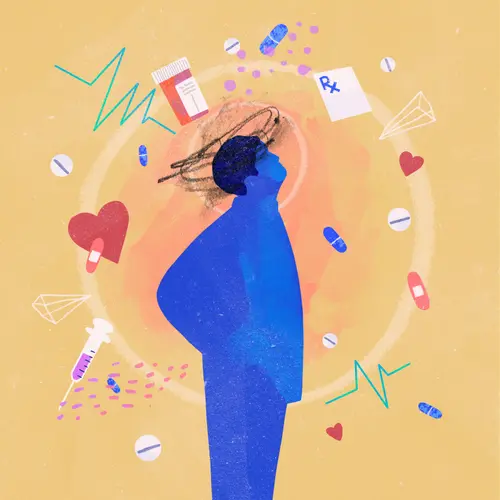
We all know the feeling of being nervous or uncomfortable in a social situation. Maybe you’ve clammed up when meeting someone new or gotten sweaty palms before making a big presentation. Public speaking or walking into a roomful of strangers isn’t exactly thrilling for everybody, but most people can get through it.
If you have social anxiety disorder, which is also known as social phobia, the stress of these situations is too much to handle. You might, for example, avoid all social contact because things that other people consider “normal” -- like making small talk and eye contact -- make you so uncomfortable. All aspects of your life, not just the social, could start to fall apart.
Social anxiety disorder affects about 5.3 million people in the United States. The average age it begins is between age 11 and 19 -- the teenage years. It’s one of the most common mental disorders, so if you have it, there’s hope. The tough part is being able to ask for help. Here’s how to know if your social silence has gone beyond shyness to a point where you need to see a doctor.
When Does It Happen?
In some people with social anxiety disorder, the fear is limited to one or two particular situations, like speaking in public or initiating a conversation. Others are very anxious and afraid of any social situation.
Anyone with social anxiety disorder can experience it in different ways. But here are some common situations that people tend to have trouble with:
- Talking to strangers
- Speaking in public
- Dating
- Making eye contact
- Entering rooms
- Using public restrooms
- Going to parties
- Eating in front of other people
- Going to school or work
- Starting conversations
Some of these situations might not cause a problem for you. For example, giving a speech may be easy, but going to a party might be a nightmare. Or you could be great at one-on-one conversations but not at stepping into a crowded classroom.
All socially anxious people have different reasons for dreading certain situations. But in general, it’s an overwhelming fear of:
- Being judged or watched by others in social situations
- Being embarrassed or humiliated -- and showing it by blushing, sweating, or shaking
- Accidentally offending someone
- Being the center of attention
What Does It Feel Like?
Again, the experience may be different for everyone, but if you have social anxiety and you’re in a stressful situation, you may feel:
- Very self-conscious in social situations
- A persistent, intense, and chronic fear of being judged by others
- Shy and uncomfortable when being watched (giving a presentation, talking in a group)
- Hesitant to talk to others
- The need to avoid eye contact
You also might have physical symptoms such as:
- Rapid heartbeat
- Muscle tension
- Dizziness and lightheadedness
- Blushing
- Crying
- Sweating
- Stomach trouble and diarrhea
- Inability to catch breath
- An “out-of-body” sensation
You may start having symptoms and getting anxious immediately before an event, or you might spend weeks worrying about it. Afterward, you could spend a lot of time and mental energy worrying about how you acted.
What Causes It?
There’s no one thing that causes social anxiety disorder. Genetics likely has something to do with it: If you have a family member with social phobia, you’re more at risk of having it, too. It could also be linked to having an overactive amygdala -- the part of the brain that controls your fear response.
Social anxiety disorder usually comes on around 13 years of age. It can be linked to a history of abuse, bullying, or teasing. Shy kids are also more likely to become socially anxious adults, as are children with overbearing or controlling parents. If you develop a health condition that draws attention to your appearance or voice, that could trigger social anxiety, too.
How Can It Affect Your Life?
Social anxiety disorder prevents you from living your life. You’ll avoid situations that most people consider “normal.” You might even have a hard time understanding how others can handle them so easily.
When you avoid all or most social situations, it affects your personal relationships. It can also lead to:
- Low self-esteem
- Negative thoughts
- Depression
- Sensitivity to criticism
- Poor social skills that don’t improve
What Can I Do About Social Anxiety Disorder?
If your social anxiety keeps you from doing things you want or need to do, or from making or keeping friends, you may need treatment.
Talk about your fears and worries with a doctor or therapist who has experience treating social anxiety disorder. They will be able to tell if you have normal social anxiety or if you need treatment.
How Is Social Anxiety Disorder Treated?
Prescription medication and behavioral therapy are the two effective treatments for social anxiety disorder. You may receive both at the same time. Here are some details on each:
Medications: For some, taking a prescription medication can be an easy and effective treatment for social anxiety disorder. The drugs work by reducing the uncomfortable and often embarrassing symptoms. Sometimes medication can dramatically reduce your symptoms or even eliminate them. Some people may not react to a particular medication, and some aren't helped at all. There is no way to predict whether a medication will help you or not. Sometimes, you must try several before finding one that works.
The Food and Drug Administration (FDA) has approved four medicines for social anxiety disorder: Paxil, Zoloft, Luvox, and Effexor. Although these are the only medications approved specifically for the condition, other medications may be used successfully, too.
The advantage of medications is that they can be very effective, and are taken just once a day. But there are some downsides.
First, medication only treats symptoms. If you stop taking it, your symptoms can return. Second, some people have side effects from anxiety medications. They may include headache, stomachache, nausea, and sleep difficulties.
Also, the FDA-approved medicines for social anxiety disorder, like all medicines that are also used to treat depression, carry a warning from the FDA. The FDA says the medications may cause or worsen suicidal thoughts or behaviors in young people under age 24. Therefore, teens who take these medicines should be monitored closely for changes in thoughts about suicide.
For many people, the advantages of medications outweigh the disadvantages. You and your doctor must weigh the choice.
If you take medication for social anxiety disorder, call your doctor immediately if you develop any side effects, including feeling down and depressed. And never stop taking any anxiety medication without talking to your doctor first. Suddenly stopping an anxiety medication may cause serious side effects.
Behavioral therapy: Behavioral therapy with a trained therapist can help you identify and change the thinking that makes you anxious in social situations.
A type of behavioral therapy called exposure therapy is frequently used for social anxiety disorder. Exposure therapy works by gradually exposing you to social situations that are uncomfortable and waiting until you feel comfortable. During this process, your brain is learning that a social situation you were afraid of is actually not so bad.
Most therapists who practice exposure therapy begin with small exposures to uncomfortable situations, then move on to more difficult exposures once you feel comfortable. The advantage of this therapy is that you are treating the underlying problem, not just the symptoms of social anxiety disorder. So if you stop behavioral therapy, the chance of your symptoms returning is less likely.
Other therapies
Other therapies have also been tried for treating social anxiety disorder. They include:
Relaxation therapy: With this therapeutic approach, you learn techniques for relaxing like breathing exercises and meditation. Although relaxation therapy may help with some specific social phobias, it is not considered effective treatment for general anxiety disorder.
Beta-blockers: These medications were originally used to treat high blood pressure or other heart problems. Yet beta-blockers are also effective for treating some people with a specific type of social phobia called "performance social anxiety." This is when you are afraid of performing, like giving a public speech. Beta-blockers are not effective for treating general social anxiety disorder. But they may help if fear of a specific circumstance, occurring at a specific, predictable time -- like giving a speech to a class -- is your problem.
When Should I Talk to My Doctor About Social Anxiety?
First, it's important to know that you are not abnormal if you have social anxiety. Many people have it. If you have unusually high anxiety and fear about social situations, talk openly with your doctor about treatment. If left untreated, social anxiety disorder may lead to depression, drug or alcohol problems, school or work problems, and a poor quality of life.