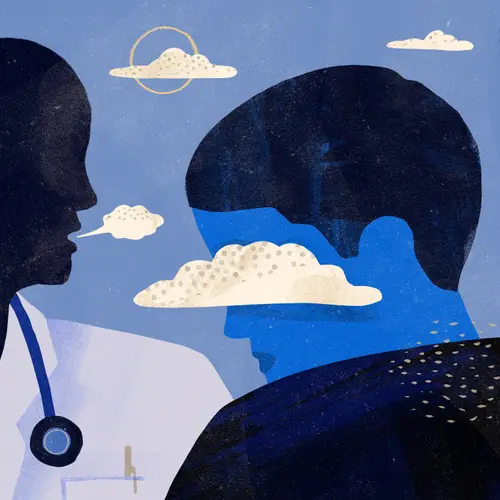
When you lose someone or something dear to you, it's natural to feel pain and grief. The grief process is normal, and most people go through it. But when grief takes over your life and you begin to feel hopeless, helpless, and worthless, then it's time to talk to your doctor about telling the difference between normal grief and depression.
What Is Grief?
Grief is a natural response to death or loss. The grieving process is an opportunity to appropriately mourn a loss and then heal. The process is helped when you acknowledge grief, find support, and allow time for grief to work.
Each year, between 5% and 9% of the population loses a close family member. But that's not the only kind of loss that can cause grief. People can feel loss when:
- They become separated from a loved one
- They lose a job, position, or income
- A pet dies or runs away
- Kids leave home
- They have a major change in life such as getting a divorce, moving, or retiring
While we all feel grief and loss, and each of us is unique in the ways we cope with our feelings.
Some people have healthy coping skills. They're able to feel grief without losing sight of their daily responsibilities.
Other people don't have the coping skills or support they need. That hinders the grieving process.
How Do We React to Grief and Loss?
There are specific stages of grief. They reflect common reactions people have as they try to make sense of a loss. An important part of the healing process is feeling and accepting the emotions that come as a result of the loss.
People go through common stages of grief:
Denial, numbness, and shock: Numbness is a normal reaction to a death or loss and should never be confused with "not caring." This stage of grief helps protect us from experiencing the intensity of the loss. It can be useful when we have to take some action, such as planning a funeral, notifying relatives, or reviewing important papers. As we move through the experience and slowly acknowledge its impact, the initial denial and disbelief fades.
Bargaining: This stage of grief may be marked by persistent thoughts about what "could have been done" to prevent the death or loss. Some people become obsessed with thinking about specific ways things could have been done differently to save the person's life or prevent the loss. If this stage of grief isn't dealt with and resolved, the person may live with intense feelings of guilt or anger that can interfere with the healing process.
Depression: In this stage, we begin to realize and feel the true extent of the death or loss. Common signs of depression in this stage include trouble sleeping, poor appetite, fatigue, lack of energy, and crying spells. We may also have self-pity and feel lonely, isolated, empty, lost, and anxious.
Anger: This stage is common. It usually happens when we feel helpless and powerless. Anger can stem from a feeling of abandonment because of a death or loss. Sometimes we're angry at a higher power, at the doctors who cared for a lost loved one, or toward life in general.
Acceptance: In time, we can come to terms with all the emotions and feelings we experienced when the death or loss happened. Healing can begin once the loss becomes integrated into our set of life experiences.
Throughout our lives, we may return to some of the earlier stages of grief, such as depression or anger. Because there are no rules or time limit to the grieving process, everyone's healing process will be different.
What Can Get in the Way of the Healing Process?
Some things can impede or slow down the healing process following a death or loss. They include:
- Avoiding emotions
- Compulsive behaviors
- Minimizing feelings
- Overworking on the job
- Misusing drugs, alcohol, or other substances as a way to deal with emotional discomfort
What Things Might Help Resolve Grief?
Acknowledge and accept both positive and negative feelings.
Allow plenty of time to experience thoughts and feelings.
Confide in a trusted person about the loss.
Express feelings openly or write journal entries about them.
Find bereavement groups in which there are other people who've had similar losses.
Remember that crying can provide a release.
Seek professional help if feelings are overwhelming.
What Can I Do if My Grief Won't Go Away?
If grief continues and causes a prolonged and deep depression with physical symptoms such as poor sleep, loss of appetite, weight loss, and even thoughts of suicide, you may have a condition known as complicated bereavement. Talk with your doctor as soon as possible.
Sometimes, a major depression can develop along with the normal feelings of loss or sadness linked with grief. Whereas normal sadness as part of a grief reaction may subside after several months, major depression is a medical disorder that is different from normal grief, can occur at any time (even in the immediate aftermath of a death of loss), and requires treatment to be resolved.