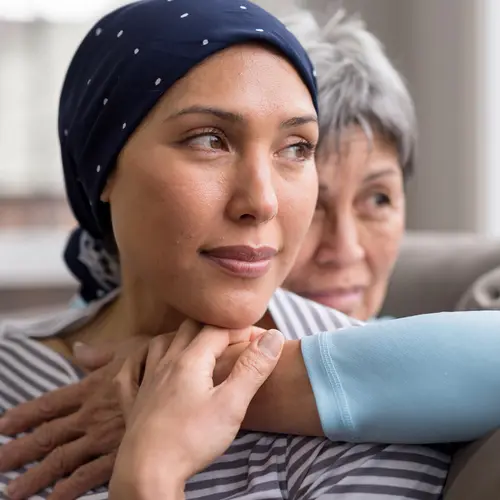
Chemotherapy for breast cancer uses medicine to kill cancer cells. You'll likely get the treatment as an infusion through a vein or as a pill. In most cancer centers, a large majority of patients will get an infusion through a central port in the chest wall, instead of in their arm. Your doctor may use it along with other treatments like surgery, radiation, and hormone therapy.
As a breast cancer treatment, chemotherapy has three major purposes:
- To prevent cancer from coming back after surgery and radiation. When chemotherapy is used this way, it's called adjuvant therapy.
- To shrink a tumor before surgery to make it easier to remove. This is called neo-adjuvant therapy.
- To kill cancer cells that have spread to other parts of the body.
Together, you and your doctor will decide when to start chemotherapy, which drugs to use, and a schedule for taking them. Ask what side effects you can expect from the medication.
Common Chemotherapy Drugs for Breast Cancer
Chemotherapy drugs used to treat early breast cancer include:
- Anthracyclines: This class of drugs includes doxorubicin (Adriamycin) and epirubicin (Ellence).
- Taxanes: This class of drugs includes docetaxel (Taxotere) and paclitaxel (Taxol).
These drugs are often used with others like carboplatin (Paraplatin), cyclophosphamide (Cytoxan), and fluorouracil (5-FU).
Drugs used to treat advanced breast cancer include:
- Albumin-bound paclitaxel (nab-paclitaxel or Abraxane)
- Antibody drug conjugates, including:
- Ado-trastuzumab emtansine (Kadcyla)
- Fam-trastuzumab deruxtecan (Enhertu)
- Sacituzumab govitecan (Trodelvy)
- Capecitabine (Xeloda)
- Eribulin (Halaven)
- Gemcitabine (Gemzar)
- Ixabepilone (Ixempra)
- Liposomal doxorubicin (Doxil)
- Mitoxantrone
- Platinum (carboplatin, cisplatin)
- Vinorelbine (Navelbine)
Choosing a Chemo Combination
Your doctor will probably talk to you about combining chemo drugs. They may refer to them by abbreviations for their names. Some of the most common include:
- AC: Adriamycin and Cytoxan
- AT: Adriamycin and Taxotere
- CMF: Cytoxan, methotrexate, and fluorouracil
- FAC: Fluorouracil, Adriamycin, and Cytoxan
- CAF: Cytoxan, Adriamycin, and fluorouracil
FAC and CAF use the same medicines but in different doses and frequencies.
How Do You Get Chemotherapy for Breast Cancer?
You get chemotherapy as a pill or in a vein daily, weekly, or every 2-4 weeks. These are given in cycles followed by days of rest. Cycles and the number of cycles vary in length depending on the chemotherapy used. You may get one drug or a combination of them. Your treatment plan is designed for your particular situation.
You may get a catheter placed in a large central vein. These devices are inserted by a surgeon or radiologist and have an opening to the skin or a port under the skin, allowing chemotherapy medications to be given. They can also be used to give fluids or take blood samples. Once chemotherapy is finished, your catheter will be removed.
Monitoring Your Treatment
Your doctor will check you regularly to see how your body is handling the chemotherapy. They'll do regular blood tests to count the number of blood cells you have. If you have too few red blood cells, you may get a blood transfusion. If you have too few white blood cells, you could get an injection to increase them and help you fight infections. If you have too few platelets, which clot blood, you may need a platelet infusion. Your chemotherapy might be postponed until your blood cells or platelets recover.
You may also get imaging scans to see how well the chemotherapy is working.
Short-Term Side Effects of Breast Cancer Chemotherapy
Chemotherapy destroys cancer cells. But it also kills some healthy cells, causing side effects. Medicine can help you feel better. It’s important to tell your doctor if you have any side effects, like:
- Nausea and vomiting
- Loss of appetite
- Fatigue
- Mouth soreness
- Hair loss
- Weight gain
- Constipation or diarrhea
- Skin and nail changes
- Nerve damage (your doctor may call this neuropathy)
- Trouble paying attention and remembering things
- Anxiety or feeling alone
- Greater chance of getting an infection due to fewer white blood cells
- Premature menopause. If you are planning to have children, tell your doctor before starting chemotherapy.
- Increased bleeding. If the platelet count is very low, little red spots may appear on your body. You may bruise or bleed easily.
Long-Term Side Effects of Breast Cancer Chemotherapy
Heart problems, which include:
Lung damage, such as:
- Your lungs don’t work as well.
- The lung lining thickens.
- Your lungs get inflamed.
- You have trouble breathing.
Hormone issues, like:
- Hot flashes
- Lower desire
- Mood shifts
- Bladder control problems
- Fewer or no periods
- Earlier menopause
Bone, joint, and soft tissue damage, which may include:
- Osteoporosis
- Osteopenia
- Joint pain
Brain and nervous system issues, like:
- Hearing loss
- Damage to brain, spinal cord, and peripheral nerves
Reproductive issues, like:
- Infertility
- Premature menopause
Thinking problems, which could involve:
- Trouble learning
- Memory problems
- Difficulty paying attention
Oral health issues:
You might have tooth enamel damage.
Digestive trouble:
You might not digest food as well.
Secondary cancers:
Chemo can damage bone marrow stem cells, which might lead to cancers like acute leukemia or myelodysplasia.
How to Prepare for Chemotherapy
Chemo kills cancer cells and healthy cells alike, so you want your body to be ready when you start. Your doctor will likely tell you to:
- Get lots of rest.
- Keep your body moving.
- Eat healthy foods -- go for a mix of fruits, vegetables, and whole grains.
- Keep stress levels low.
- Prevent infections like the common cold.
- Go to your dentist and get checked for infections in your teeth and gums.
- Get blood tests to make sure your heart, liver, and kidneys are working the way they should.
What to Expect During Treatment
You usually get chemo in an outpatient center at a hospital or clinic. If you have early-stage breast cancer, you'll probably get treatments for 3 to 6 months. It may last longer for advanced breast cancer. You'll have treatment in cycles, which could be just once a week or as often as three times a week. If you're getting radiation and chemo together, you'll get the radiation after the chemo treatment. You may want to have someone drive you home the first few times until you know how it affects you.
On the day of treatment:
- Technicians will take some of your blood for tests.
- Your doctor will go over the blood test results and talk about your overall health.
- The doctor orders the treatment.
- You'll meet with the person on your health care team who's going to give you the chemo.
- They'll check your temperature, pulse, and blood pressure. (They'll call these your vital signs.)
- They'll put the IV into your vein.
- They'll give you medications to prevent nausea, anxiety, and inflammation along with the chemotherapy.
- When your treatment is done, they'll remove your IV and check your vital signs again.
- You'll get prescriptions for drugs you can take at home to help with side effects.
- They'll tell you what is OK to eat and drink once you're home.
Working During Chemo Treatment
Most people are able to keep working while being treated with chemo. Ask your doctor to schedule treatments later in the day or right before the weekend, so they don't interfere with a work schedule. You may have to adjust your work hours, especially if you’re having side effects.
What to Expect After Chemo
Once you’re home, you need to take care of yourself and take steps to manage chemo side effects. These include:
- Take medications the doctor prescribed for side effects.
- Stay away from anyone with a cold or infection. Chemo makes it harder for your body to fight germs.
- Drink lots of fluids for the first 8 hours to move the medicine through your body.
- Manage bodily fluids and waste that may have traces of chemo. Usually, this means flushing the toilet twice.
You’ll see your doctor every 4 to 6 months for the next 5 years after treatment ends.
How to Recognize a Cancer Emergency
Your doctor and the chemotherapy nurse will let you know what situations would be considered an emergency. But if you have any of the following warning signs, tell your doctor immediately:
- A temperature greater than 100.4 F
- Any fever and chills. If you can't reach your doctor, go to the emergency room.
- New mouth sores or patches, a swollen tongue, or bleeding gums
- A dry, burning, scratchy, or swollen throat
- A cough that makes mucus
- Needing to pee more, burning when you pee, or blood in your urine
- Heartburn, nausea, vomiting, constipation, or diarrhea that lasts longer than 2 or 3 days
- Blood in your stools