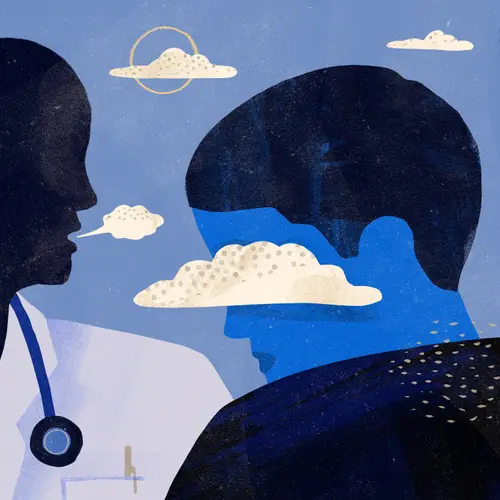
Clinical depression in older people is common. That doesn't mean it's normal. Late-life depression affects about 6 million Americans ages 65 and older. But only 10% get treatment. The likely reason is that older people often display symptoms of depression differently. Depression in older people is also frequently confused with the effects of multiple illnesses and the medicines used to treat them.
How Does Depression in Older People Differ From Depression in Younger Adults?
Depression affects older people differently than younger people. In older people, depression often goes along with other medical illnesses and disabilities and lasts longer.
Depression in older adults is tied to a higher risk of cardiac diseases and of death from illness. At the same time, depression reduces an older person's ability to rehabilitate. Studies of nursing home patients with physical illnesses have shown that the presence of depression substantially increases the likelihood of death from those illnesses. Depression also has been linked with increased risk of death after a heart attack. For that reason, it’s important to make sure that an older adult you are concerned about is evaluated and treated, even if the depression is mild.
Older people may not have the obvious symptoms of depression. Instead, they may:
- Feel tired
- Have trouble sleeping
- Be grumpy or irritable
- Feel confused
- Struggle to pay attention
- Not enjoy activities they used to
- Move more slowly
- Have a change in weight or appetite
- Feel hopeless, worthless, or guilty
- Endure aches and pains
- Have suicidal thoughts
Using a series of standard questions, a primary care doctor can check for depression, allowing for better diagnosis and treatment. Doctors are encouraged to routinely check for depression. This can happen during a visit for a chronic illness or at a wellness visit.
Depression also raises the risk of suicide, especially in older white men. The suicide rate in people ages 80 to 84 is more than twice that of the general population. The National Institute of Mental Health considers depression in people 65 and older to be a major public health problem.
In addition, advancing age often comes along with the loss of social support systems due to the death of a spouse or siblings, retirement, or relocation. Because of changes in an older person's circumstances and the fact that older people are expected to slow down, doctors and family may miss the signs of depression. As a result, effective treatment often gets delayed, forcing many older people to struggle unnecessarily with depression.
How Is Insomnia Related to Depression in Older Adults?
Insomnia is often a symptom of depression. Studies have found that insomnia is also a risk factor for new depression or depression that comes back, particularly in older adults.
To treat insomnia, experts sometimes recommend avoiding or minimizing benzodiazepines (such as Ativan, Klonopin, or Xanax) or newer "hypnotic" drugs (such as Ambien or Lunesta) that, according to the American Geriatric Society, may raise the risk of impaired alertness, respiratory depression, and falls.
Experts often favor treating insomnia in the elderly with the hormone melatonin, or a low-dose formulation of the tricyclic antidepressant doxepin (Silenor). Other potentially sedating antidepressants, such as Remeron or trazodone, are also sometimes prescribed for both purposes. The sleep aid Belsomra has also been found to be effective and safe in older adults. If there's no improvement in the sleep disorder or depression, a psychiatrist or psychopharmacologist may prescribe other medications, psychotherapy, or both.
What Are the Risk Factors for Depression in Older Adults?
Things that raise the risk of depression in older people include:
- Being female
- Being single, unmarried, divorced, or widowed
- Lack of a supportive social network
- Stressful life events
Physical conditions like stroke, hypertension, atrial fibrillation, diabetes, cancer, dementia, and chronic pain further increase the risk of depression. Additionally, these risk factors for depression are often seen in older adults:
- Certain medicines or combination of medicines
- Damage to body image (from amputation, cancer surgery, or heart attack)
- Dependence, whether through being hospitalized or needing home health care
- Disability
- Family history of major depressive disorder
- Fear of death
- Living alone, social isolation
- Other illnesses
- Past suicide attempt(s)
- Presence of chronic or severe pain
- Previous history of depression
- Recent loss of a loved one
- Substance abuse
Brain scans of people who develop their first depression in old age often reveal spots in the brain that may not get enough blood flow, believed to result from years of high blood pressure. Chemical changes in these brain cells may enhance the likelihood of depression separate from any life stress.
What Treatments Are Available for Depression in Older Adults?
Treatments for depression include medicine, psychotherapy or counseling, or electroconvulsive therapy or other newer forms of brain stimulation (such as repetitive transcranial magnetic stimulation, or rTMS). Sometimes, a combination of these treatments may be used. The option a doctor might recommend depends on the type and severity of depression symptoms, past treatments, and overall health, among other factors.
How Do Antidepressants Relieve Depression in Older People?
Studies have found that while antidepressants can be helpful in older adults, they may not always be as effective as in younger patients. Also, the risk of side effects or potential reactions with other medicines must be carefully considered. For example, certain older antidepressants such as amitriptyline and imipramine can be sedating, may cause confusion, or might cause a sudden drop in blood pressure when a person stands up. That can lead to falls and fractures.
Medications you might get include:
- Selective serotonin reuptake inhibitors (SSRIs) like citalopram (Celexa), escitalopram (Lexapro), fluoxetine (Prozac), paroxetine (Paxil), and sertraline (Zoloft)
- Serotonin and norepinephrine reuptake inhibitors (SNRIs) like desvenlafaxine (Pristiq), duloxetine (Cymbalta), and venlafaxine (Effexor)
- Serotonin modulators and stimulators (SMS) including vilazodone (Viibryd) and vortioxetine (Trintellix)
- Atypical antidepressants, such as bupropion (Aplenzin, Wellbutrin), mirtazapine (Remeron), and trazodone (Oleptro ER)
- Monamine oxidase inhibitors (MAOIs), like isocarboxazid (Marplan), phenelzine (Nardil), selegiline (Eldepryl, Emsam, Zelapar), and tranylcypromine (Parnate)
Antidepressants may take longer to start working in older people than they do in younger people. Since older people are more sensitive to medicines, doctors may prescribe lower doses at first. In general, the length of treatment for depression in older adults is longer than it is in younger patients.
Can Psychotherapy Help Relieve Depression in Older Adults?
Most depressed people find that support from family and friends, involvement in self-help and support groups, and psychotherapy are helpful. Psychotherapy is especially beneficial for those who have gone through major life stresses (such as loss of friends and family, home relocations, and health problems) or who prefer not to take medicine and have only mild to moderate symptoms. It’s also helpful for people who can’t take drugs because of side effects, interactions with other medicines, or other medical illnesses.
Psychotherapy in older adults can address a broad range of functional and social consequences of depression. Many doctors recommend psychotherapy along with antidepressant medicines.
When Is Electroconvulsive therapy (ECT) Used?
ECT can play an important role in the treatment of depression in older adults. When older people can’t take traditional antidepressant medicines because of side effects or interactions with other medications, when depression is very severe and interferes with basic daily functioning (such as eating, bathing and grooming), or when risk for suicide is especially high, ECT is often a safe and effective treatment option.
What Problems Affect Treatment of Depression in Older Adults?
The stigma attached to mental illness and psychiatric treatment is even more powerful among older people. This stigma can keep older people from admitting that they are depressed, even to themselves. Older people and their families sometimes also may wrongly identify depression symptoms as "normal" reactions to life stresses, losses, or the aging process.
Also, depression may be expressed through physical complaints rather than traditional symptoms. This delays appropriate treatment. In addition, depressed older people may not report their depression because they wrongly believe there is no hope for help.
Older adults may also be unwilling to take their medicines because of side effects or cost. In addition, having certain other illnesses at the same time as depression can interfere with the effectiveness of antidepressant medicines. Alcoholism and abuse of other substances may cause or worsen depression and interfere with effective treatment. And unhappy life events including the death of family or friends, poverty, and isolation may also affect the person's motivation to continue with treatment.