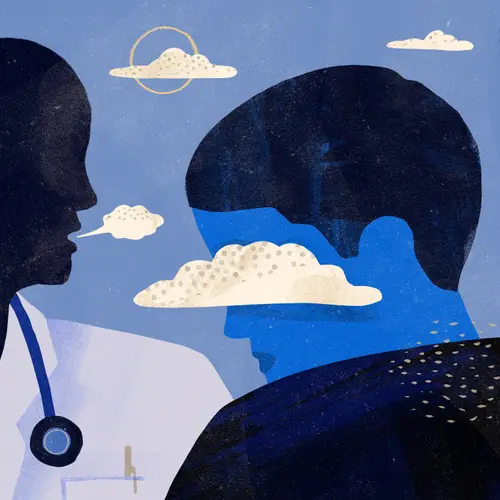
A constant sense of hopelessness and despair is a sign you may have major depression, also known as clinical depression.
With major depression, it may be difficult to work, study, sleep, eat, and enjoy friends and activities. Some people have clinical depression only once in their life, while others have it several times in a lifetime.
Major depression can sometimes occur from one generation to the next in families, but often it may affect people with no family history of the illness.
What Is Major or Clinical Depression?
Most people feel sad or low at some point in their lives. But clinical depression is marked by a depressed mood most of the day, sometimes particularly in the morning, and a loss of interest in normal activities and relationships -- symptoms that are present every day for at least 2 weeks. In addition, according to the DSM-5 -- a manual used to diagnose mental health conditions -- you may have other symptoms with major depression. Those symptoms might include:
- Fatigue or loss of energy almost every day
- Feelings of worthlessness or guilt almost every day
- Impaired concentration, indecisiveness
- Insomnia or hypersomnia (excessive sleeping) almost every day
- Markedly diminished interest or pleasure in almost all activities nearly every day (called anhedonia, this symptom can be indicated by reports from significant others)
- Restlessness or feeling slowed down
- Recurring thoughts of death or suicide
- Significant weight loss or gain (a change of more than 5% of body weight in a month)
Who Is at Risk for Major Depression?
Major depression affects about 6.7% of the U.S. population over age 18, according to the National Institute of Mental Health. Overall, between 20% and 25% of adults may suffer an episode of major depression at some point during their lifetime.
Major depression also affects older adults, teens, and children, but frequently goes undiagnosed and untreated in these populations.
Are Women at Higher Risk for Major Depression?
Almost twice as many women as men have major or clinical depression; hormonal changes during puberty, menstruation, pregnancy, miscarriage, and menopause, may increase the risk.
Other factors that boost the risk of clinical depression in women who are biologically vulnerable to it include increased stress at home or at work, balancing family life with career, and caring for an aging parent. Raising a child alone will also increase the risk.
What Are the Signs of Major Depression in Men?
Depression in men is significantly underreported. Men who suffer from clinical depression are less likely to seek help or even talk about their experience.
Signs of depression in men may include irritability, anger, or drug and alcohol abuse (substance abuse can also be a cause of depression rather than the result of it). Suppressing negative feelings can result in violent behavior directed both inwardly and outwardly. It can also result in an increase in illness, suicide, and homicide.
What Triggers Major Depression?
Some common triggers or causes of major depression include:
- Loss of a loved one through death, divorce, or separation
- Social isolation or feelings of being deprived
- Major life changes -- moving, graduation, job change, retirement
- Personal conflicts in relationships, either with a significant other or a superior
- Physical, sexual, or emotional abuse
How Is Major Depression Diagnosed?
A health professional -- such as your primary care doctor or a psychiatrist -- will perform a thorough medical evaluation. You might receive a screening for depression at a regular doctor’s visit. The professional will ask about your personal and family psychiatric history and ask you questions that screen for the symptoms of major depression.
There is no blood test, X-ray, or other laboratory test that can be used to diagnose major depression. However, your doctor may run blood tests to help detect any other medical problems that have symptoms similar to those of depression. For example, hypothyroidism can cause some of the same symptoms as depression, as can alcohol or drug use and abuse, some medications, and stroke.
How Is Major Depression Treated?
Major or clinical depression is a serious but treatable illness. Depending on the severity of symptoms, your primary care doctor or a psychiatrist may recommend treatment with an antidepressant medication. They may also suggest psychotherapy, or talk therapy, in which you address your emotional state.
Sometimes, other medications are added to the antidepressant to boost its effectiveness. Certain medicines work better for some people. It may be necessary for your doctor to try different drugs at different doses to determine which medicine works best for you.
There are other treatment options for clinical depression -- such as electroconvulsive therapy, also called ECT or shock therapy -- that can be used if drugs prove ineffective or symptoms are severe. Other treatments for depression that is difficult to treat include intranasal ketamine or transcranial magnetic stimulation (TMS)
Can Major Depression Be Prevented?
Once you have had an episode of major depression, you are at high risk of having another. The best way to prevent another episode of depression is to be aware of the triggers or causes of major depression (see above) and to continue taking the prescribed medication to avoid relapse. It is also important to know what the symptoms of major depression are and to talk with your doctor early if you have any of these symptoms.