
Foods That Boost Your Energy

Doesn't All Food Boost Energy?
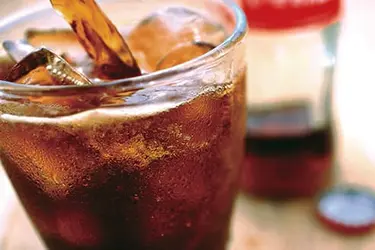
Yes, but in different ways. Sugary drinks, candy, and pastries put too much fuel (sugar) into your blood too quickly. The ensuing crash leaves you tired and hungry again. “Complex carbs,” healthy fats, and protein take longer to digest, satisfy your hunger, and provide a slow, steady stream of energy.

Oatmeal
It’s a complex carbohydrate. That means it’s full of fiber and nutrients. Oatmeal is slower to digest and supplies energy evenly instead of all at once, and it is whole grain and gluten-free. A bowl in the morning will keep you going for hours.

Eggs
A single one has just 70 calories, and yet has 6 grams of protein. That provides fuel that gets released slowly. It also has more nutrients per calorie than most other foods. That helps it satisfy hunger. As a result, you’re more likely to skip that mid-morning doughnut in the office break room that will spike your blood sugar and crash your energy.

Chicken
Trimmed of skin, it’s a great source of lean protein. A piece of grilled chicken with some steamed or lightly dressed greens makes a perfect light lunch that won’t weigh you down and will fuel you steadily until dinner. And chicken has less of that unhealthy saturated fat than other meats like pork, beef, and lamb.

Beef Liver
Without enough vitamin B12, your energy can lag. This is one of the best sources. It also has loads of protein to keep you fueled for a long time. If you just can’t do liver, you can get your B12 from meat, poultry, fish, and eggs.

Oysters
Besides being a good source of low-fat protein, they’re loaded with zinc. That helps your body fight off germs that could run you down and make you feel tired. Try them raw with a squeeze of lemon when they’re in season, or roast them in the oven or on the grill.

Beans
They’re a great source of protein, especially if you’re vegetarian or vegan. Beans also have plenty of fiber to help slow digestion. They're rich in magnesium, too. That helps your cells make energy.

Sardines
They’re not for everyone, but sardines do provide high-quality animal protein for steady energy. They also have loads of omega-3 “marine” fatty acids (EPA and DHA) that help prevent heart disease. If they’re just too fishy for you, try salmon, tuna, or mackerel.

Walnuts
It’s those omega-3s again. Walnuts have one in particular that your body uses for energy (alpha-linolenic acid). Though nuts are high in calories, studies show that people who eat them don’t gain weight or have other signs of bad health from them. That could be because the fiber slows how your body takes them in and the “healthy” fats satisfy hunger.

Coffee
It’s where many of us get our morning caffeine jolt. And it works. It boosts your energy and keeps you more alert. Just don’t overdo it. Caffeinecan make you jittery and interfere with your sleep if you have too much, you’re not used to it, or you have it late in the day.

Tea
A simple cup of tea is a low-calorie way to replace sugary sodas and soft drinks that can spike and then crash your energy levels in the middle of the day. That switch makes you more likely to get the nutrients and fluids you need each day, which can help keep you alert and energized. Some teas have caffeine that can give you a little boost, too.

Berries
Blueberries, blackberries, strawberries: They’re perfect if you want something sweet that doesn’t have the calorie blast and “sugar crash” of a doughnut or candy bar. Berries also have antioxidants and other nutrients that help nourish and protect cells all over your body.

Dark Chocolate
If you just have to have candy, this is a good choice. It’s lower in sugar than candy bars and milk chocolate. It’s also been shown to improve mood and brain function. Antioxidants in the cocoa can help protect cells, lower blood pressure, and improve blood flow. This can keep you healthy and energized. Dark chocolate does have fat, so check the label and keep portions small.

Water
When your body doesn’t have enough, you get tired. It also helps carry fuel and nutrients to your cells and helps get rid of waste. People who drink more of it usually take in less fat, sugar, salt, cholesterol, and total calories. That leaves more room for healthy nutrients that keep you energized. It’s especially important to drink up when you exercise. Have 8 ounces before and after your workouts -- more if your circuit is longer than 30 minutes.

Foods for Exercise
The best fuel for exercise is carbohydrates, preferably “complex” ones like fruits, vegetables, and whole grains. Healthy fats from fish, nuts, vegetable oils, and avocados can help fuel endurance sports like long-distance running. Protein can help boost an immune system worn down by exercise. It can also repair muscle that tears naturally when you strengthen it, like when you lift weights, for example.