
Becoming a Vegetarian

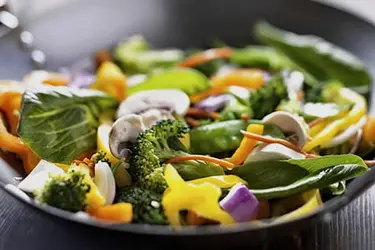
Tasty Choice
Going vegetarian can be delicious. You have every fruit, vegetable, bean, and whole grain to choose from. The variety is endless. You can make it work for you, whether you choose to eat this way all the time or to include some vegetarian meals in your week.

How Far Do You Want to Go?
When you eat a vegetarian meal, you don't eat meat, poultry, or fish. You may eat eggs or dairy. If it's a vegan meal, you'll skip anything that comes from animals, including milk, cheese, and eggs.

Pick Your Proteins
You can get all the protein you need from plant foods. Just make sure you're getting enough calories from a wide variety of nuts, seeds, legumes, and grains. Black beans and rice, with a salad, is one example of a classic vegetarian meal.

Tweak Your Favorite Recipes
If you're used to eating meat, look for vegetarian versions of your favorite dishes. For example, you can make lasagna with spinach or tofu instead of ground beef.

Make Vegetarian Stuffed Peppers
Stuff bell peppers with a blend of rice and veggies. Instead of ground beef, add beans or meatless sausage crumbles. Season as usual.

Whip Up a Veggie Omelet
Eggs are a good source of protein. It's easy to substitute veggies for ham and cheese in an omelet. Try carrots, mushrooms, and spinach.

Shift Chicken Parmesan to Eggplant
If you're used to eating chicken Parmesan, use thin slices of eggplant instead of the chicken. If you also skip dairy, you can use a soy-based cheese substitute instead of Parmesan.

Change Your Chili
When you're craving a warm, spicy bowl of chili, make it with beans or tofu. You'll get the flavor without the meat.

Grill a Portobello Burger
Forget the cheeseburger. A grilled portobello mushroom on a whole wheat bun can hit the spot. Top with lettuce, tomato, or cheese, just as you would a hamburger.

When You Want a Veggie Burger
If you're looking for something closer to the texture of a real hamburger, try a veggie burger. Most supermarkets carry several brands of frozen veggie burgers. These are often made with a blend of vegetables, soy, and grains, providing protein and fiber.

Substitute With Soy
Soy products are a versatile source of protein. They work well as a meat substitute. Try making tofu kabobs the next time you fire up the grill. There are also plenty of other soy foods on the market today. Soy is in most meatless hot dogs, chicken nuggets, and breakfast sausages. Edamame are soybeans that aren't processed.

Reap the Health Benefits
Because they are lower in or free of animal products, vegetarian diets are low in total and saturated fat and cholesterol. Many studies have shown that vegetarians are less likely to get certain diseases such as heart disease and type 2 diabetes. A vegetarian that is filled with fruits and vegetables benefits from antioxidants like lutein in broccoli and lycopene in tomatoes, which may help protect against cancer.

Get the Nutrients You Need
Make sure you're getting enough iron, vitamin B12, zinc, calcium, and vitamin D, especially if you're on a vegan diet. A dietitian can give you tips or let you know if you need supplements.

Find Sources of Calcium and Vitamin D
If you eat milk, cheese, or yogurt, you probably get enough calcium to keep your bones strong. But if you decide to go vegan -- you don't any animal products -- you'll need other sources of calcium. These include fortified soy and almond milk and orange juice, with small amounts of calcium in seeds, nuts, and some green vegetables. People who avoid dairy products also miss out on vitamin D. Non-meat sources of vitamin D include fortified foods such as orange juice, cereals, and tofu made with calcium sulfate, and fortified milk alternatives like soy and almond milk.

Zero In on Zinc
Although zinc is found in many vegetarian foods, it is not as well absorbed as meat-based zinc. Eating plenty of zinc-rich foods can help you maximize the amount your body absorbs. Good sources include milk, cheese, whole-grain breads, nuts, soy foods, and legumes, such as chickpeas. Hummus on a whole-grain pita is one tasty snack that does the trick.

Keep Your Eye on Iron
It's not just in red meat. You can also get iron from leafy green vegetables, cooked dry beans, tofu, and fortified cereals or grains. Like zinc, plant-based iron is not as well absorbed as iron from meat. The solution is to eat iron-rich foods regularly and in combination with foods that have vitamin C, which helps your body absorb iron.

Put Omega-3s on Your List
Omega-3 fatty acids are good fats that may help lower blood pressure, improve heart health, and stave off age-related dementia. There are two kinds. Most of the health benefits are linked to docosahexaenioc acid (DHA), found mainly in fatty fish, as well as fortified foods like eggs. If you don't eat either of these foods, you might want to consider a supplement. Pumpkin seeds, flaxseeds, walnuts, and canola oil are all good sources of alpha-linolenic acid (ALA), an omega-3 fatty acid beneficial for heart health.

Are You Getting Enough Vitamin B12?
Low levels of vitamin B12 can cause muscle weakness and fatigue. This vitamin is found only in some fortified foods and in foods made from animals, such as meats, eggs, and milk products. So if you eat a vegan diet, you need to either eat foods fortified with vitamin B12 or take supplements.

Is a Vegetarian Diet OK for Kids?
A vegetarian diet can be safe for kids, and it's probably good for them. Just be sure kids get enough fats to meet their needs. Nuts, peanut butter, avocado, milk products, and eggs are all good sources. When in doubt, ask your child's doctor or a dietitian.

Go Vegetarian Part Time
You don't need to be a vegetarian 7 days a week to reap many of the benefits. Doing it 1 or 2 days a week can help you cut back on saturated fats and cholesterol, and give you more fruits and vegetables. Try it, and you might find you want to do it more often than you think.