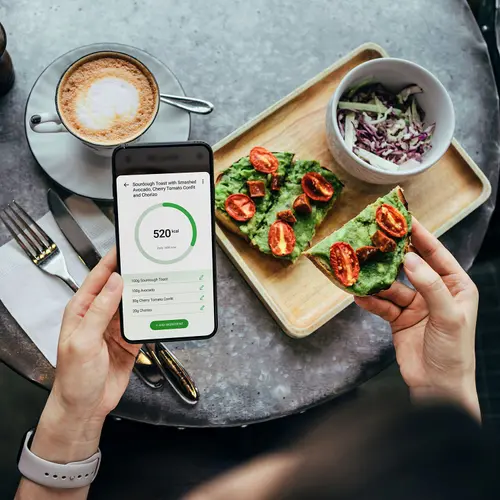
What you put on your plate might affect what you see in the mirror. But a few tweaks to your dining habits can go a long way to keeping your skin youthful and your body healthy.
The key approach? Eat better.
"Poor-quality foods, like trans fats, cause inflammation -- and aging is basically a chronic inflammatory state," says Timothy Harlan, MD. He's assistant professor of medicine at Tulane University School of Medicine. "Can you look older because you're eating crap? Absolutely."
For example, eating too much sugar and processed carbohydrates (like pasta, bread, and baked goods) can lead to damage in your skin's collagen, which keeps your skin springy and resists wrinkles, says Andrea Giancoli, MPH, RD. She's a policy analyst for Beach Cities Health District.
What's more, these foods put your overall health on the line. They are tied to diseases like heart disease and diabetes, she says.
Other foods, like fruits and vegetables, are good for your skin.
Foods to Limit
Potato chips and french fries. Anything that's deep-fried in oil can add to inflammation throughout your body. Especially avoid trans fats. It can raise your LDL "bad" cholesterol and lower HDL "good" cholesterol, which increases your risk for heart disease.
Check food labels on baked goods and crackers, and avoid "partially hydrogenated oils" and "vegetable shortening."
Doughnuts and sugary pastries. They're packed with sugar, which Giancoli says may be linked to the development of wrinkles.
Hot dogs, bacon, and pepperoni. Processed meats are usually high in saturated fats and have nitrates in them. Both of those can lead to inflammation.
Fatty meats. These are also high in saturated fats. The key with meat is to keep it lean. Tenderloin cuts tend to be leaner. Look for ground beef that is at least 95% lean. Ground turkey breast and chicken breast are other lean options.
Alcohol. Moderate drinking may be good for your heart, but heavy drinking can rev up the aging process. "Moderate" is one drink per day for women (such as a 5-ounce glass of wine or 12-ounce glass of beer) and two drinks for men.
Foods to Favor
Go for a Mediterranean-style diet, Harlan says. Vegetables, fruits, whole grains, low-fat dairy, and lean protein can help fight inflammation and keep you looking your best, he says.
Eat whole foods that are closest to their natural state as possible, says Giancoli. For example, instead of apple sauce, try a fresh whole apple.
Try eating more of these foods:
Romaine lettuce. It's high in vitamins A and C, which curb inflammation. Also try broccoli, spinach, arugula, watercress, escarole, and endive.
Tomatoes. They're rich in a nutrient called lycopene. So are watermelon, grapefruit, guavas, asparagus, and red cabbage.
Salmon. It's high in omega-3 fats, which fight inflammation. Tuna is another good choice.
Lentils and beans. These are good sources of protein and are loaded with fiber and nutrients. Try black beans, split peas, limas, pintos, chickpeas, and cannellini beans.
"Your skin is essentially made of protein, so if you don't get enough healthy protein in your diet, your skin will reflect that," Giancoli says. "Along with fish, beans are a great way to get it."
Oatmeal. Whole grains such as oatmeal, whole wheat breads and pastas, brown rice, and quinoa help curb inflammation.
"These also have B vitamins in them, like thiamine and riboflavin, which are important for skin as well," Giancoli says. If you don't get enough, it can give you rashes and make your skin look scaly, she says.
Go for a variety and make this way of eating a habit.
"If you're not getting enough of the good stuff on a regular basis, you won't be able to produce healthy new skin cells in the way that you should," Giancoli says.