What Is GERD?
Gastroesophageal reflux disease, or GERD, is a digestive disorder that affects the ring of muscle between your esophagus and your stomach. This ring is called the lower esophageal sphincter (LES). If you have it, you may get heartburn or acid indigestion. Doctors think that some people may have it because of a condition called hiatal hernia. In most cases, you can ease your GERD symptoms through diet and lifestyle changes. But some people may need medication or surgery.
GERD Causes
The term “gastroesophageal” refers to the stomach and esophagus. Reflux means to flow back or return. Gastroesophageal reflux is when what’s in your stomach backs up into your esophagus.
In normal digestion, your LES opens to allow food into your stomach. Then it closes to stop food and acidic stomach juices from flowing back into your esophagus. Gastroesophageal reflux happens when the LES is weak or relaxes when it shouldn’t. This lets the stomach's contents flow up into the esophagus.
Risk Factors for GERD
More than 60 million American adults have heartburn at least once a month, and more than 15 million adults have heartburn every day, including many pregnant women. Recent studies show that GERD in infants and children is more common than doctors thought. It can cause vomiting that happens over and over again. It can also cause coughing and other breathing problems.
Some doctors believe a hiatal hernia may weaken the LES and raise your chances of gastroesophageal reflux. Hiatal hernia happens when the upper part of your stomach moves up into the chest through a small opening in your diaphragm (diaphragmatic hiatus). The diaphragm is the muscle separating the abdomen from the chest. Recent studies show that the opening in the diaphragm helps support the lower end of the esophagus.
Many people with a hiatal hernia will not have problems with heartburn or reflux. But having a hiatal hernia may allow stomach contents to reflux more easily into the esophagus.
Coughing, vomiting, straining, or sudden physical exertion can raise pressure in your belly and lead to a hiatal hernia. Many otherwise healthy people ages 50 and over have a small one. Although it’s usually a condition of middle age, hiatal hernias affect people of all ages.
Hiatal hernias usually don’t need treatment. But it may be necessary if the hernia is in danger of becoming strangulated, or twisted in a way that cuts off blood supply. You may also need to treat it if you have one along with severe GERD or esophagitis (inflammation of the esophagus). Your doctor may perform surgery to make the hernia smaller or to prevent strangulation.
Several other things can make it more likely that you’ll have GERD:
- Being overweight or obese
- Pregnancy
- Delayed emptying of the stomach (gastroparesis)
- Diseases of connective tissue such as rheumatoid arthritis, scleroderma, or lupus
Diet and lifestyle choices may make acid reflux worse if you already have it:
- Smoking
- Certain foods and drinks, including chocolate and fatty or fried foods, coffee, and alcohol
- Large meals
- Eating too soon before bed
- Certain medications, including aspirin
GERD Symptoms
The most common symptom of GERD is heartburn (acid indigestion). It usually feels like a burning chest pain that starts behind your breastbone and moves upward to your neck and throat. Many people say it feels like food is coming back into the mouth, leaving an acid or bitter taste.
The burning, pressure, or pain of heartburn can last as long as 2 hours. It’s often worse after eating. Lying down or bending over can also result in heartburn. Many people feel better if they stand upright or take an antacid that clears acid out of the esophagus.
People sometimes mistake heartburn pain for the pain of heart disease or a heart attack, but there are differences. Exercise may make heart disease pain worse, and rest may relieve it. Heartburn pain is less likely to go along with physical activity. But you can’t tell the difference, so seek medical help right away if you have any chest pain.
Besides pain, you may also have
- Nausea
- Bad breath
- Trouble breathing
- A hard time swallowing
- Vomiting
- Wearing away of tooth enamel
- A lump in your throat
If you have acid reflux at night, you may also have:
GERD Treatment and Home Remedies
GERD treatment aims to cut down on the amount of reflux or lessen damage to the lining of the esophagus from refluxed materials.
Your doctor may recommend over-the-counter or prescription medications to treat your symptoms.
- Antacids: These drugs can help neutralize acid in the esophagus and stomach and stop heartburn. Many people find that nonprescription antacids provide temporary or partial relief. An antacid combined with a foaming agent helps some people. Researchers think these compounds form a foam barrier on top of the stomach that stops acid reflux.
But long-term use of antacids can bring side effects, including diarrhea, altered calcium metabolism (a change in the way the body breaks down and uses calcium), and a buildup of magnesium in the body. Too much magnesium can be serious for people who have kidney disease. If you need antacids for more than 2 weeks, talk to your doctor. - H2 blockers: For chronic reflux and heartburn, the doctor may recommend medications to reduce acid in the stomach. These medicines include H2 blockers, which help block acid secretion in the stomach. H2 blockers include: cimetidine (Tagamet), famotidine (Pepcid), and nizatidine.
- Proton pump inhibitors (PPIs): Also known as acid pumps, these drugs block a protein needed to make stomach acid. PPIs include dexlansoprazole (Dexilant), esomeprazole (Nexium), lansoprazole (Prevacid), omeprazole (Prilosec), omeprazole/sodium bicarbonate (Zegerid), pantoprazole (Protonix), and rabeprazole (Aciphex).
- Prokinetics: In rare cases, these drugs help your stomach empty faster so you don’t have as much acid left behind. They may also help with symptoms like bloating, nausea, and vomiting. But they can also have serious side effects. Many people can’t take them, and those who can should do so only for a limited time. Example of prokinetics include domperidone and metoclopramide (Clopra, Maxolon, Metozolv, Reglan).
Diet and Lifestyle Changes
There are several changes that doctors suggest you make in your lifestyle to help lessen your symptoms of GERD.
- Avoid foods and beverages triggers: Stay away from foods that can relax the LES, including chocolate, peppermint, fatty foods, caffeine, and alcoholic beverages. You should also avoid foods and beverages that can irritate a damaged esophageal lining if they cause symptoms, such as citrus fruits and juices, tomato products, and pepper.
- Eat smaller servings: Eating smaller portions at mealtime may also help control symptoms. Also, eating meals at least 2 to 3 hours before bedtime lets the acid in your stomach go down and your stomach partially empty.
- Eat slowly: Take your time at every meal.
- Chew your food thoroughly: It may help you remember to do this if you set your fork down after you take a bite. Pick it up again only when you’ve completely chewed and swallowed that bite.
- Stop smoking: Cigarette smoking weakens the LES. Stopping smoking is important to reduce GERD symptoms.
- Elevate your head: Raising the head of your bed on 6-inch blocks or sleeping on a specially designed wedge lets gravity lessen the reflux of stomach contents into your esophagus. Don’t use pillows to prop yourself up. That only puts more pressure on the stomach.
- Stay at a healthy weight: Being overweight often worsens symptoms. Many overweight people find relief when they lose weight.
- Wear loose clothes: Clothes that squeeze your waist put pressure on your belly and the lower part of your esophagus.
- Acupuncture: In one study, treatment with acupuncture stopped reflux in the test group better than PPIs, with results that lasted longer. We need more large studies to confirm this, but early results are promising.
Severe GERD Diagnosis
If you have severe, lasting esophageal reflux, or if your symptoms don’t get better with treatment, you may need tests for a better diagnosis. Your doctor may use one or more procedures to do this:
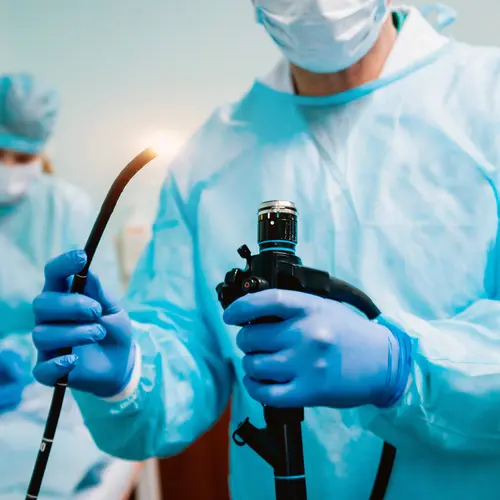
- Endoscopy: Your doctor will put a small lighted tube with a tiny video camera on the end (endoscope) into your esophagus to look for inflammation or irritation of the tissue (esophagitis). If the results are abnormal or questionable, they may remove a small tissue sample for more testing (biopsy).
- Upper GI series: This may be one of the first tests your doctor does. It’s a special X-ray that shows your esophagus, stomach, and the upper part of your small intestine (duodenum). It gives limited information about possible reflux, but it can help rule out other conditions, such as peptic ulcers.
- Esophageal manometry and impedance study: This test checks for low pressure in your esophagus. It can also show defects in how your esophageal muscles contract.
- pH testing: If it’s hard to make a definite diagnosis, your doctor may measure the acid levels inside your esophagus through this test. It tracks how much acid is in your esophagus during meals, activity, and sleep. Newer techniques of long-term pH tracking have made this a more effective tool.
Surgery for Severe GERD
If you need regular high doses of PPIs to control your symptoms, have damage to your esophagus even with medication, and a hiatal hernia, you may need surgery for GERD. But you should try all the other treatments you can first.
Fundoplication: This is a procedure that raises the pressure in your lower esophagus. The doctor will wind the top of your stomach around the LES. This tightens the muscle and raises pressure in your lower esophagus to stop reflux. They’ll do this either through a laparoscope (small holes through the belly) or through open surgery.
Transoral incisionless fundoplication (TIF): A newer form of this surgery uses an endoscope (a small tube with a camera) to wrap the stomach around the LES with plastic fasteners. It’s less invasive than standard fundoplication.
Stretta procedure: Your doctor puts a small tube down the esophagus that uses low-radiofrequency heat to reshape your LES.
LINX surgery: Your doctor wraps a band of magnetic titanium beads around the place where your stomach and esophagus meet. The magnetic attraction of the beads keeps it loose enough to let food pass through into the stomach, but tight enough to stop reflux.
GERD Complications
Sometimes GERD leads to serious complications:
Esophageal ulcer: Stomach acid eats away at your esophagus until an open sore forms. These sores are often painful and may bleed. They can make it hard to swallow.
Esophageal stricture: Stomach acid damages the lower part of your esophagus and causes scar tissue to form. This scar tissue builds up until it narrows the inside of the esophagus and makes it hard to swallow food.
Barrett’s esophagus: Acid reflux changes the cells in the tissue that lines your esophagus. The lining gets thicker and turns red. This condition is linked to a higher chance of esophageal cancer.
Lung problems: If reflux reaches the back of your throat, it can cause irritation and pain. From there, it can get into the lungs (aspiration). If this happens, your voice may get hoarse. You could also have chest congestion and a lingering cough. If your lungs get inflamed, you can develop asthma, bronchitis, and possibly even pneumonia.
GERD Outlook
Although GERD can limit your daily activities, it’s rarely life-threatening. If you understand the causes and get proper treatment, you should feel better.