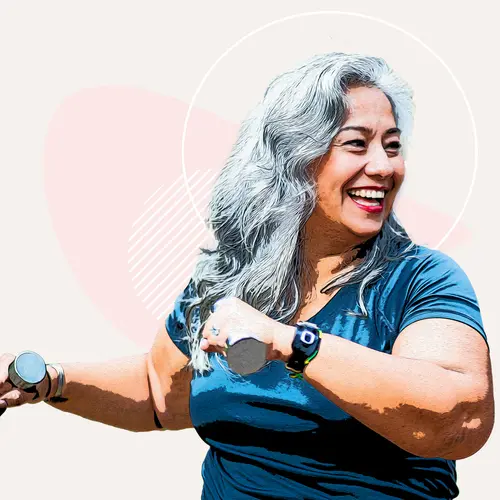
Many of the things that raise your chances for osteoporosis are things you can’t change, like your genes, your age, and your sex. But that doesn’t mean you can’t prevent the disease. The things you do every day can be part of your plan to build strong bones.
Exercise Your Bones
Just like your muscles, your bones get stronger if you give them a workout. (Always check with your doctor before starting a new exercise plan.) Weight-bearing exercises are best for your bones. They’re the ones that force your body to work against gravity as you move. That prompts the body to make new bone.
Weight-bearing exercises include:
- Aerobics
- Climbing stairs
- Dancing
- Jogging
- Tennis and other racket sports
- Running
- Tai chi
- Walking
- Water aerobics
- Yoga
Strength training is also key to preventing osteoporosis. Your muscles pull on your bones when you work them. That builds bone strength. These workouts also make you more flexible and lower the chances that you’ll fall -- the No. 1 reason for broken hips.
Any of these workouts can help you build muscle and bone:
- Lifting canned goods or bags of groceries
- Lifting free weights
- Lifting young children
- Using ankle and wrist weights
- Using elastic resistance bands
- Using weight machines or free weights
- Doing pushups, squats, or other moves that use your own body weight
Calcium and Vitamin D Build Bones
Most adults should get about 1,000 milligrams of calcium a day. But if you’re a man over 70 or a woman over 50, you should aim for 1,200 milligrams. When your body doesn’t have enough calcium, it will start to break down your bones to get what it needs. That means you lose bone mass. So it’s important to make sure you have this nutrient every day in your diet or from supplements. Get it from:
- Low-fat or fat-free dairy products
- Calcium-fortified juices and foods, like cereal, soy milk, and tofu
- Sardines and salmon with bones
- Dark green vegetables, like kale and broccoli
It’s best to get your calcium from food, where you also get other nutrients for bone health, like phosphorus and protein. If you can’t, your doctor can recommend a supplement.
Some people take antacids as calcium supplements, but don’t use ones that contain aluminum. They can slow or stop your body from absorbing calcium.
Vitamin D helps your body absorb the calcium you eat. The daily recommendation is 600 IU (international units) for adults through age 70 and 800 IU for people over 70. Not many foods naturally have this nutrient, but you can get it in:
Vitamin D helps your body absorb the calcium you eat. Not many foods naturally have the nutrient, but you can get it in:
- Fatty fish, like salmon, mackerel, and tuna
- Beef liver, cheese, and egg yolks
- Fortified foods like milk, cereal, and orange juice
Your skin also naturally makes vitamin D when sunlight hits it. You can get at least some of what you need if you spend a little time outdoors every day. But don’t overdo it -- too much time in the sun raises your chances for skin cancer.
What Else Prevents Osteoporosis?
Don’t drink too much alcohol. Having more than two drinks per day is linked to higher chances of bone loss.
Quit smoking. It doubles the chance of bone loss and fractures by keeping the hormone estrogen in your body from working well.
Avoid the “female athlete triad.” Women who exercise and train intensely can have three issues -- thin bones, lack of a menstrual cycle, and eating disorders. It often happens to young women who stick to very restrictive diets even though they work out a lot. Athletes who have problems with their periods have lower estrogen levels. This often leads to lower bone mass.
Drink less soda. Some findings show that colas, more than other carbonated soft drinks, lead to bone loss. It may be that the extra phosphorus in them keeps your body from absorbing calcium. Or it may just be that women are replacing calcium-rich drinks, such as milk, with soda.
Will Medicine Prevent Osteoporosis and Fractures?
Some drugs can help the body maintain or build bone. Doctors often prescribe them for people, especially women, who have higher chances of getting osteoporosis or bone fractures. Ask your doctor if these drugs are a good idea for you.
Do I Need a Bone Density Test?
A bone density test measures a small part of one or a few bones to see how strong they are and can tell how likely you are to have osteoporosis. The most common one is called a dual-energy X-ray absorptiometry (DXA or DEXA) scan. It uses a small amount of radiation to measure your bone density.
But the scan isn’t right for everyone. The U.S. Preventive Services Task Force says people who should get DXA scans for bone density include:
- Women ages 65 or older
- Younger women who have a higher-than-normal chance of fracture for their age
Talk to your doctor about whether the test is a good idea for you.
Are Kids at Risk for Osteoporosis?
Osteoporosis in children is rare and is usually caused by a medical condition or long-term use of certain prescription drugs.
Osteoporosis prevention should start early. Getting enough calcium and vitamin D as a child and teenager can dramatically cut your risk of osteoporosis later in life. Make sure your kids have enough of these nutrients, ideally through what they eat and drink. Don't give them supplements unless their doctor says to.