What Is Emergency Contraception?
Like other forms of birth control, emergency contraception stops you from getting pregnant. The difference is that you can take it after you had sex.
Emergency contraception is different from drugs used to end a pregnancy. If you're already pregnant, they will have no effect as a contraceptive method. Unlike the medication RU-486, emergency contraception doesn’t induce abortions.
Emergency contraception can work well, but it's not a substitute for regular birth control. Regular birth control works better, has fewer side effects, and costs less. As the name suggests, emergency birth control is for emergencies, not something to use all the time.
When Might You Need Emergency Contraception?
You may need to use emergency contraception if you were raped, if a condom broke or slipped off during sex, or if you miss two or more birth control pills during a monthly cycle.
If you had unprotected sex and don't want to get pregnant, you may also want emergency contraception.
What Are My Options?
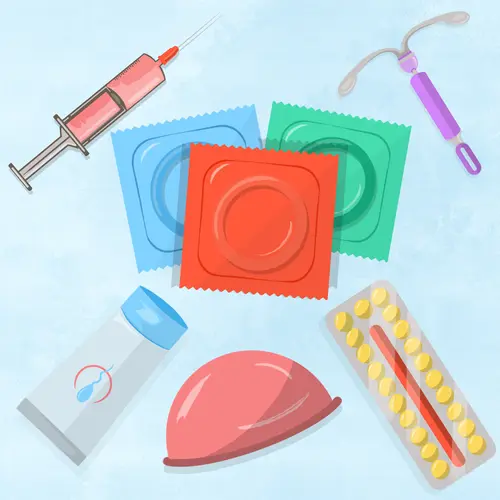
Most types of emergency contraception are pills, often called the “morning after” pill. Depending on the brand and dose of emergency contraception pills, you might get one pill or two. These include:
Hormone-based emergency contraception pills. These contain a hormone called levonorgestrel. Levonorgestrel pills are specifically packaged as emergency contraception and do not require a prescription. They include Plan B One-Step and Preventeza, as well as the generic levonorgestrel pills My Way and Take Action.
Ulipristal acetate (Ella). Ella is a nonhormonal pill. It contains ulipristal, a nonhormonal drug that blocks the effects of key hormones necessary for conception. It is available only by prescription.
Birth control pills. These can also be used as emergency contraception, but you have to take more than one pill at a time to keep from getting pregnant. This approach works, but it is less effective and more likely to cause nausea than levonorgestrel pills.
Do not take regular birth control pills this way unless you talk to your doctor first. If you are interested in this option, check with your doctor to make sure you are taking the correct pills and dose.
Another method is the copper-T IUD. This intrauterine device (IUD) can work as emergency contraception. The IUD goes inside your body. If you want to use one, a nurse or doctor needs to put it in within 5 days of when you had sex. The IUD works as both emergency contraception and as ongoing birth control. It prevents pregnancy as long as it is in place.
How Does Emergency Contraception Work?
Emergency oral contraception works primarily by delaying or stopping ovulation. Hormone-based medications such as levonorgestrel pills may prevent pregnancy by temporarily blocking eggs from being released.
Ella blocks the effects of key hormones necessary for conception.
IUDs work by stopping implantation of a fertilized egg in the uterus.
Which Type of Emergency Contraception Is Best for Me?
There are lots of good options. But the best one for you depends on different things. Your age, for instance -- some nonprescription products have age limits. Also, your insurance may cover only certain types.
When you had sex can matter, too. Some products work for about 3 days after, some for 5. Your body weight may also be a factor.
Research shows that Plan B One-Step starts to lose its effectiveness in women heavier than 165 pounds and isn’t recommended for anyone over this weight. Instead, a copper-releasing IUD is the suggested option. The IUD seems to work better than pills for heavier women.
The copper IUD is the most effective form of emergency contraception, and may also be the best long-term birth control. A doctor or nurse needs to put it in and remove it if you decide you want children.
How Long After Having Sex Will Emergency Contraception Still Work?
The sooner you take emergency contraception, the more effective it will be. Studies show that if you take emergency contraception within 72 hours of sex, you have only a 1% to 2% chance of getting pregnant.
Plan B One-Step and generic levonorgestrel work best if you take them within 3 days after sex, but they may work up to 5 days after sex. Ella and the IUD can work up to 5 days after sex. However, those are only averages.
What really matters is where you are in your cycle. If you have sex when you're fertile, waiting several days to take emergency contraception could be too late. That's why experts say you should use it as soon as possible after having sex.
Will Any Supplements or Medications I Take Affect How Well Emergency Contraception Works?
Some meds and supplements -- such as the epilepsy drug Dilantin, antibiotics such as rifampicin or griseofulvin, and St. John's wort -- can stop emergency contraception pills from working normally. To be safe, tell your doctor or pharmacist about other drugs and supplements you take.
Where Can I Get Emergency Contraception?
Emergency contraception pills are available at drugstores; Planned Parenthood; college, public, and women's health centers; private doctors; and some hospital emergency rooms.
Depending on your age, you don’t need a prescription for most brands. You do need a prescription for Ella and some other types. Birth control pills also require a prescription.
If a prescription is needed, some doctors will prescribe emergency contraceptive pills over the phone and call the prescription into a pharmacy.
Can Anyone Buy Over-the-Counter Emergency Contraception Pills?
In 2013, the FDA allowed pharmacies to sell one brand of levonorgestrel pills, Plan B One-Step, without a prescription, over-the-counter, without any age restrictions. But not all pharmacies are selling it that way.
Other types of over-the-counter emergency contraception, like My Way and Next Choice One Dose, have age restrictions. You need to have ID showing that you're 17 or older. If you're 16 or younger, you need a prescription.
How Much Will It Cost?
Prices vary from store to store. Plan B One-Step generally costs between $40 and $50. Generic levonorgestrel is a little cheaper. But you might find prices that are much lower or higher. If you have insurance, prescription pills should cost less because you have to pay only the copay.
What Are the Side Effects? Is It Safe?
Emergency contraception is generally safe for almost all women. Most people don't have any side effects from the pills. But you may have mild ones, like nausea, mild stomach pain, and headache. If you have severe nausea, your doctor may be able to give you medicine that helps. You may also have spotting, and your next period may come a few days earlier or later.
If you have medical problems and you're concerned that taking emergency contraception could be risky, talk to a doctor or pharmacist. In addition, if you have a chronic medical condition, check with your doctor before using Ella.
What If I Throw Up After Taking the Medication? Am I Still Protected?
Emergency contraception pills can sometimes cause vomiting. If you throw up within 2 hours of taking it, call your doctor or pharmacist. You may need to take a drug to settle your stomach and then take a second dose of the emergency contraception.
If you throw up more than 2 hours after you took it, you should be fine. The medicine should be in your system.
What If I'm Already Pregnant and Take Emergency Contraception?
If you think you're already pregnant, don't take emergency contraception. The hormones in Plan B One-Step or generic levonorgestrel won't work at that point.
You should not take Ella if you think you might be pregnant. It may not be safe. The risk to a human baby is unknown.
Will Taking More Than One Type of Emergency Contraception Improve My Odds?
No. One kind could block the effect of the other. Stick to one type and follow the directions.
How Long Does an Emergency Contraception Pill Last? Can I Have Sex Again and Still Be Protected?
Be careful. The pills may just delay ovulation, not stop it. If you have sex a second time, your risks of getting pregnant are higher. Be safe and use other protection instead.
Can I Use Emergency Contraception Pills More Than Once in a Month?
You should use Ella only once in your cycle. You can use Plan B One-Step and generic levonorgestrel more than once. But if you're relying on it often, you should use regular birth control instead.
After Taking an Emergency Contraceptive Pill, When Should I Start Using Regular Birth Control Again?
For condoms, a diaphragm, or a similar type of birth control, start using it right away. If you take birth control pills or use the patch or a vaginal ring -- but missed some doses -- start using them the next day. But you'll need to use a backup, like condoms, for at least a week
Will Emergency Contraception Affect My Fertility in the Future?
No. Taking emergency contraception does not affect your ability to have a baby later. If you got an IUD for emergency contraception, a doctor will need to remove it before you can get pregnant.
Does Emergency Contraception Protect Against Sexually Transmitted Diseases (STDs)?
No. Emergency contraception will not protect you from contracting an STD, such as HIV, the virus that causes AIDS. The best way to avoid getting STDs is to limit sexual contact to one uninfected partner. If that is not an option, use a latex condom correctly every time you have sex.