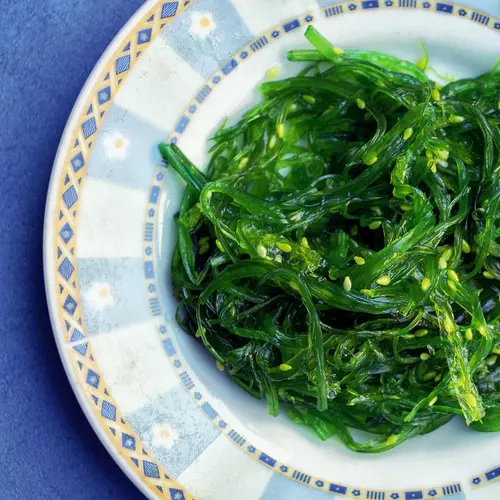
Potassium is a mineral that's crucial for life. Potassium is necessary for the heart, kidneys, and other organs to work normally.
Why do people take potassium?
Most people who eat a healthy diet should get enough potassium naturally. Low potassium is associated with a risk of high blood pressure, heart disease, stroke, arthritis, cancer, digestive disorders, and infertility. For people with low potassium, doctors sometimes recommend improved diets -- or potassium supplements -- to prevent or treat some of these conditions.
Potassium deficiencies are more common in people who:
- Use certain medicines, such as diuretics
- Have physically demanding jobs
- Athletes exercising in hot climates and sweating excessively
- Have health conditions that affect their digestive absorption, such as Crohn's disease
- Have an eating disorder
- Smoke
- Abuse alcohol or drugs
How much potassium should you take?
The Institute of Medicine has set an adequate intake for potassium. Getting this amount of potassium from diet, with or without supplements, should be enough to keep you healthy. The FDA has determined that foods must contain at least 350 mg of potassium and 140 mg or less of sodium to be able to use the label: "Diets containing foods that are good sources of potassium and low in sodium may reduce the risk of high blood pressure and stroke."
Category | Adequate Intake (AI) |
CHILDREN | |
0-6 months | 400 mg/day |
7-12 months | 860 mg/day |
1-3 years | 2,000 mg/day |
4-8 years | 2,300 mg/day |
9-13 years | 2,500 mg/day |
14 years and up | 2,300 mg/day |
ADULTS | |
18 years and up | 3,400 mg/day |
Pregnant women | 2,600-2,900 mg/day |
Breastfeeding women | 2,500-2,800 mg/day |
Always take potassium supplements with a full glass of water or juice.
There is no set upper limit for potassium. So it's not clear exactly how much potassium you can take safely. However, very high doses of potassium can be deadly.
Can you get potassium naturally from foods?
Good natural food sources of potassium include:
- Bananas
- Avocados
- Peanuts and tree nuts such as almonds, pecans and walnuts
- Citrus fruits
- Leafy, green vegetables
- Milk
- Potatoes
Keep in mind that some types of cooking, such as boiling, can decrease the potassium content in some foods.
What are the risks of taking potassium?
- Side effects. In high doses, potassium can be dangerous. Do not take potassium supplements without talking to your doctor. At normal doses, potassium is fairly safe. It may cause an upset stomach. Some people have allergies to potassium supplements.
- Warnings. People with kidney disease, diabetes, heart disease, Addison's disease, stomach ulcers, or other health problems should never take potassium supplements without talking to a doctor first.
- Overdose. Signs of a potassium overdose include muscle weakness or paralysis, irregular heartbeat, confusion, tingling sensation in the limbs, and coma. Get emergency medical help immediately.
- Other possible side effects are: muscle weakness or paralysis, cardiac conduction abnormalities, and cardiac arrhythmias, including sinus bradycardia, sinus arrest, slow idioventricular rhythms, ventricular tachycardia, ventricular fibrillation, and asystole.