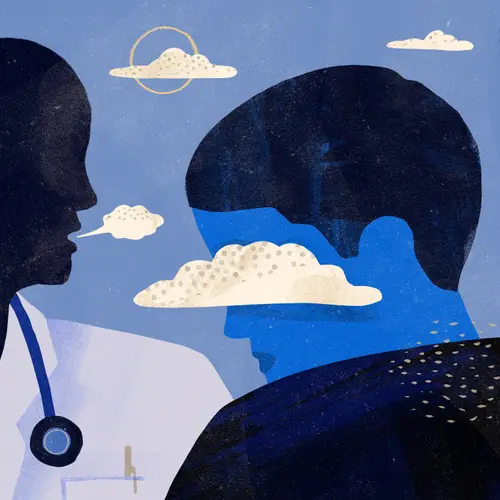
For millions of people, chronic illnesses and depression are facts of life. A chronic illness is a condition that lasts for a very long time and usually cannot be cured completely, although some illnesses can be controlled or managed through lifestyle (diet and exercise) and certain medications. Examples of chronic illnesses include diabetes, heart disease, arthritis, kidney disease, HIV/AIDS, lupus, and multiple sclerosis.
Many people with these illnesses become depressed. In fact, depression is one of the most common complications of chronic illness. It's estimated that up to one-third of people with a serious medical condition have symptoms of depression.
It's not hard to see the cause and effect relationship between chronic illness and depression. Serious illness can cause tremendous life changes and limit your mobility and independence. A chronic illness can make it impossible to do the things you enjoy, and it can eat away at your self-confidence and a sense of hope in the future. No surprise, then, that people with chronic illness often feel despair and sadness. In some cases, the physical effects of the condition itself or the side effects of medication lead to depression, too.
What Chronic Conditions Trigger Depression?
Although any illness can trigger depressed feelings, the risk of chronic illness and depression gets higher with the severity of the illness and the level of life disruption it causes. The risk of depression is generally 10-25% for women and 5-12% for men. However, people with a chronic illness face a much higher risk -- between 25-33%. Risk is especially high in someone who has a history of depression.
Depression caused by chronic disease often makes the condition worse, especially if the illness causes pain and fatigue or it limits a person's ability to interact with others. Depression can intensify pain, as well as fatigue and sluggishness. The combination of chronic illness and depression might lead you to isolate yourself, which is likely to make the depression even worse.
Research on chronic illnesses and depression indicates that depression rates are high among patients with chronic conditions:
- Heart attack: 40%-65% experience depression
- Coronary artery disease (without heart attack): 18%-20% experience depression
- Parkinson's disease: 40% experience depression
- Multiple sclerosis: 40% experience depression
- Stroke: 10%-27% experience depression
- Cancer: 25% experience depression
- Diabetes: 25% experience depression
- Chronic pain syndrome: 30%-54% experience depression
Symptoms of Depression
People with a chronic illness as well as their family members often overlook the symptoms of depression. They assume that feeling sad is normal for someone struggling with disease. Symptoms of depression are also often masked by other medical problems. The symptoms get treated, but not the underlying depression. When you have both a chronic illness and depression, you need to treat both at the same time.
Treatment Options
Depression is treated much the same way for someone who is chronically ill as someone who isn't. Early diagnosis and treatment can ease distress along with the risk of complications and suicide. Many times, depression treatment can improve your overall medical condition, a better quality of life, and a greater likelihood of sticking to a long-term treatment plan.
When depressive symptoms are related to the physical illness or the side effects of medication, your doctor may need to adjust or change your treatment. When the depression is a separate problem, it can be treated on its own. More than 80% of people with depression can be treated successfully with medicine, psychotherapy, or a combination of both. Antidepressant drugs usually take effect within a matter of weeks. You should work closely with your doctor or psychiatrist to find the most effective medication.
Tips for Living With a Chronic Illness
Depression, disability, and chronic illness form a vicious cycle. Chronic medical conditions can bring on bouts of depression, which, in turn, get in the way of successful treatment of the disease.
Living with a chronic illness is a challenge, and it's normal to feel grief and sadness as you come to grips with your condition and its implications. But if these feelings don't go away, or you are having trouble sleeping or eating, or you've lost interest in the activities you normally enjoy, seek help.
To avoid depression:
- Try not to isolate yourself. Reach out to family and friends. If you don't have a solid support system, take steps to build one. Ask your doctor or therapist about support groups and other community resources.
- Learn as much as you can about your condition. Knowledge is power when it comes to getting the best treatment available and keeping your sense of independence and control.
- Make sure that you have medical support from experts you trust and can talk to openly about your ongoing questions and concerns.
- If you suspect that your medication is bringing you down, talk to your doctor about other possible treatments.
- Talk with your doctor about pain management.
- As much as is possible, keep doing the things you like to do. You'll stay connected as well as boost your self-confidence and sense of community.
- If you think you're depressed, don't wait to get help. Find a therapist or counselor you trust.