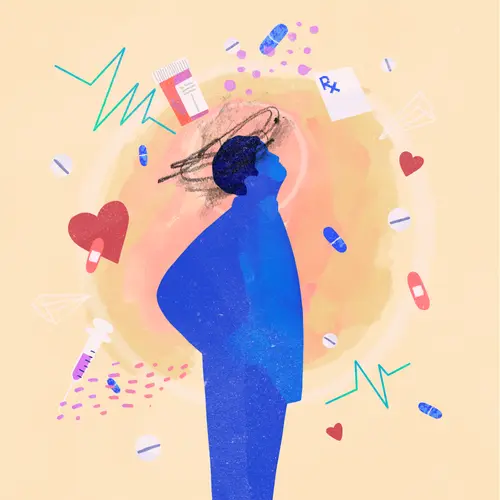
Depression Medications
Antidepressants are medications used to treat depression.
There are a variety of medications that can be used to treat depression. These antidepressants all work to take away or reduce the symptoms of depression.
How Does Your Doctor Select Which Antidepressant to Administer?
Your doctor chooses which antidepressant medicine to recommend based on your symptoms, the presence of other medical conditions, what other medicines you are taking, cost of the prescribed treatments, and potential side effects. If you have had depression before, your doctor will usually prescribe the same medicine you responded to in the past. If you have a family history of depression, medicines that have been effective in treating your family member(s) might be one factor to consider in choosing an appropriate medication for you.
Usually you will start taking the medicine at a low dose. The dose will be gradually increased until you start to see an improvement (unless significant side effects emerge).
How Long Will I Have to Take Antidepressants?
In order to be effective and prevent depression from recurring, antidepressant medicines are generally prescribed for six months to one year for people who are being treated for first-time depression. Usually, these drugs must be taken regularly for at least one to two months before their full benefit takes effect. You are usually monitored closely during this time to detect the development of side effects and to determine the effectiveness of treatment.
When you and your doctor determine that you are better and have remained well without a relapse for at least several months, your doctor may gradually taper you off your medicines. Once you and your doctor have determined it is safe for you to stop taking your medicine altogether, you should continue to be monitored during periodic follow-up appointments (about every three months) to detect any signs of depression recurrence.
You should never discontinue any medication without talking to your doctor about it first. Most antidepressants are gradually tapered off when a decision is made to stop them. If you abruptly stop taking some antidepressants, you could develop physical symptoms such as nausea, dizziness, headache, flu-like symptoms, or stomach upset (called a "discontinuation syndrome"). While symptoms from abrupt discontinuation generally pose no medical hazard, they can be uncomfortable and resolve once a medicine has been restarted.
Long-term treatment with depression medicine may be recommended to prevent further episodes of depression in people who have already suffered from two or more episodes of major depression.
Are Antidepressants Safe?
As with all medications, antidepressants can have side effects. The side effects vary depending on the type of antidepressant you take. Possible side effects include insomnia, sleepiness, nausea, weight changes, and sexual problems. If you're taking an antidepressant, ask your doctor if there are any particular side effects you should know about.
In people with bipolar disorder, antidepressants have a small but significant risk for triggering manic or hypomanic symptoms, and antidepressants are usually not recommended without also taking a mood stabilizer. Antidepressants also may be less effective in people with bipolar than unipolar (major) depression, and their long-term value and safety are more controversial and less well-established in bipolar than unipolar depression.
The FDA has required that manufacturers of all antidepressant drugs put a boxed warning, called a black box warning, that states that antidepressants have been shown to increase suicidal thinking and behavior in children and adolescents and should be used with caution.
If your child has depression, be sure to talk to your doctor to determine if psychotherapy, depression medications, or both are right for your child.
Will I Become Addicted if I Take Antidepressants?
Antidepressant medicines are not addictive; they do not make you ‘high,’ have a tranquilizing effect, or produce a craving for more.