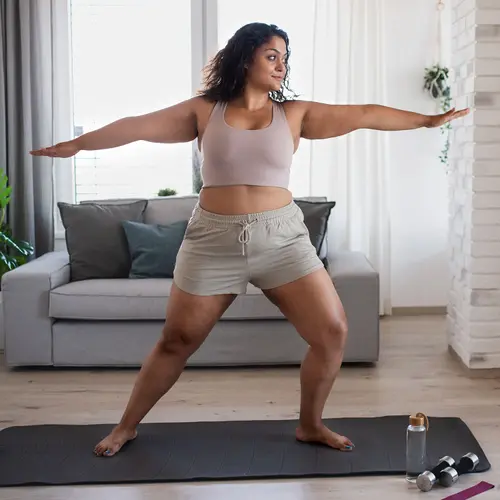

A workout injury can happen to anyone, no matter your experience or fitness level. Even walking can cause an injury.
But you can significantly cut your risk of getting hurt by following certain workout precautions.
Common Workout Injuries
People hurt themselves in all kinds of ways when they work out. Common workout injuries include:
- Muscle pull and strain
- Sprained ankle
- Shoulder injury
- Knee injuries
- Shin splint
- Tendinitis
- Wrist sprain or dislocation
Preventing Workout Injuries
There are simple steps that can help keep you injury-free during your workout.
But first, pay attention to this general rule. If you're a woman over age 55, check with your health care professional before you start an exercise program. Then you'll be sure you're healthy enough for working out. The same applies to a man over age 45 or a person with any medical condition.
Here are guidelines for avoiding injuries during your workout:
Warm-up and cool-down. Every workout should begin with a warm-up and end with a cool-down period. A warm-up helps your body get ready for exercise. It gradually increases your heart rate and loosens your muscles and joints. Some ways to warm up:
- Ride an exercise bike
- Jump rope
- Jog in place for 5 to 10 minutes
A cool-down after you work out is important to slowly bring your heart rate back to normal. Walking for 5 to 10 minutes after you work out is one way to cool down.
Stretch. Do dynamic stretching before and after you work out. This will help increase flexibility. Research is conflicting as to whether it can also help prevent injury, It's best to stretch after you warm up and cool down.
Ease into it. When you begin an exercise routine or start a new workout program, start slowly. Then gradually build up the intensity, duration, and frequency.
Don't push yourself too hard. As your fitness abilities increase, you will be able to challenge yourself more.
Cross-train. Vary your workout. Don't overuse one set of muscles. Repeating the same muscle movements frequently can lead to overuse and repetitive-use injuries such as shin splints and tendinitis. Some ways to vary your workout:
- Run on Day One.
- Lift weights on Day Two.
- Swim or cycle on Day Three.
Know your trouble spots. Tailor your workout for problem areas. For example, if you have arthritis in your knees, you'll want to build up strength. But don't do exercises that hurt. Check with your doctor. And be sure to start out lightly.
Listen to your body. The "no pain, no gain" philosophy can set you up for an injury. You can get fit without feeling pain. Don't push yourself to the point of pain. If you feel pain, you may be injured. Stop your workout, and rest for a day.
Fuel your body. Drink plenty of water before, during, and after you work out. Get off to a good start by drinking about 17 to 20 ounces of water about 2 or 3 hours before exercising. A good general rule is to then drink this amount of water:
- 8 ounces about 20 to 30 minutes before working out
- 8 ounces every 10 to 20 minutes during your workout
- 8 ounces within a half hour of when your workout is done
Eat a small meal or snack every 2 to 3 hours to keep a steady source of fuel for your body. After your workout, eat a healthy carb and protein snack to replenish your energy stores.
See a trainer. Before starting a weightlifting or exercise routine, meet with a trainer. They can show you how to work out correctly. The trainer will help you create a safe and realistic exercise program.
Dress right. Wear the proper gear for your workout. If you are a runner, wear a good pair of running shoes that fit properly. If you are a biker, always wear a helmet.
Rest. Take 1 to 2 days off a week to rest. Rest days give your body a chance to recover between workouts. That can help prevent injuries.
Treating Workout Injuries
Injuries can happen, no matter how careful you are. If you develop a workout injury, follow the RICE method to keep your injury from getting worse:
- R: Rest the injury.
- I: Ice the injury to lessen swelling, bleeding, and inflammation.
- C: Apply a compression bandage to minimize swelling.
- E: Elevate the injury, if possible, to reduce swelling.
Nonsteroidal anti-inflammatory medications such as ibuprofen can help ease pain and inflammation from the injury. Check with your doctor before using them, though, if you take any other medicines or have medical problems.
Most workout injuries will heal on their own in 4 weeks or less. If the injury has not improved within a week, or if it gets worse, seek medical care. And always use common sense. If you're concerned about the injury, it's best to seek medical advice.
Until you are fully healed, don’t do the activity that triggered the injury. And avoid any activity that puts strain on the injured area.
You can still be active as long as you don't stress the injury. Staying active may help you heal quicker than if you take to the couch. Try a new workout while your injury heals. For example, if you sprain your ankle, exercise your arms instead. If you hurt your shoulder, work out your legs by walking.
After you have fully recovered from your injury -- pain-free for more than a week -- start back slowly. Don't try to work out with the same fervor you did before your injury. You will need to rebuild your muscle strength and endurance. It may take 3 weeks of regular exercise to regain your pre-injury fitness level. If you push too hard and too fast, you may injure yourself again.