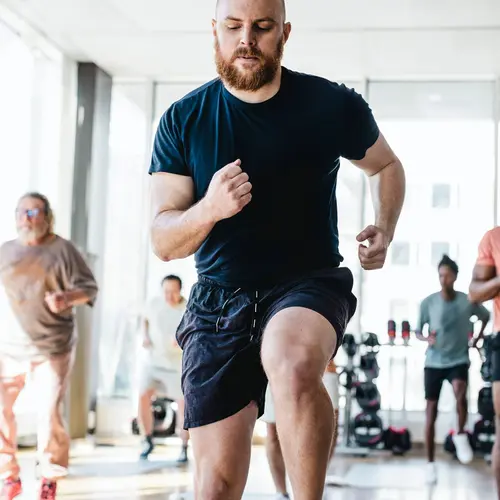

Fitness is timeless. At every age, it makes a huge difference in how you feel and move, helps you whittle down those numbers (like your weight, cholesterol, or blood pressure) that your doctor keeps mentioning, and even brightens your mood.
Inside and out, you win when you're active, no matter how old you are. But it doesn't always feel like that, especially if you've been on the sidelines for a while.
Have you fallen for one of these bogus ideas about aging and exercise? Get the facts, so you can get back out there.
1. “I’m too old.”
Actually, not moving is much riskier and can speed up the aging process.
Inactive people are twice as likely to develop heart disease, and they also have more doctor visits and take more medications.
If you haven’t exercised in a long time, begin slowly with a low-impact aerobic activity that raises your heart rate, such as swimming.
For overall heart health, the American Heart Association recommends 30 minutes of aerobic activity 5 days per week, and 2 days per week of strength training. If a half-hour a day sounds daunting, think small. Even a 10-minute walk is a good start.
Exercise doesn’t have to mean taking up a new sport. But if there’s an activity that you enjoyed doing when you were younger (say, tennis or volleyball), look for a way to get back to it.
2. “I’ll hurt myself.”
Not if you know what you're doing and work within your limits.
First, talk to your doctor before beginning an exercise program. They can tell you which activities to try and which ones to avoid.
When you get started, work with a pro who can show you exactly what to do. That way, you'll stay safe.
Remember, the more physically fit you are, the less likely you are to get injured. Improving your balance by doing things like yoga and tai chi may also help you avoid falls in your everyday life. So will strength training, which you can do with hand-held weights, machines at a gym, or even your own body weight (think pushups and lunges).
3. “My heart isn’t strong enough.”
When done regularly, exercise helps strengthen your heart rather than put it at risk.
You don’t have to sign up for a marathon, or even a 5K. Physical activity can be as simple as taking a brisk walk. That's enough to help your blood circulation and cholesterol levels, and it can brighten your mood.
4. "I can't afford it."
Sure, you could shell out a small fortune on a gym membership or exercise equipment; but to get fit, you don’t have to spend a dime.
Put on some athletic shoes with good support and go for a walk or a jog. Or spend an hour gardening in the backyard.
If the weather is bad, use what’s available around your home. Canned goods work well as light weights for resistance training.
You can also use your own body weight (for planks or pushups), or walk up and down the stairs. If you’d like to invest in a machine, look for lightly used exercise equipment at local yard sales.
If you’re craving group classes or some further instruction, there are many resources to stay fit. Some gyms offer discounts to seniors, and some health plans cover membership for certain fitness programs.
Also check out your community resources. Some local parks may have basic exercise equipment, and even some places of worship offer fitness classes free of charge.
5. “I don’t move like I used to.”
That was then; this is now. Don't judge what you can do today by what you did in the past.
Exercising isn’t about running as fast as you did on your high school track team or when you were in your 20s. You can move at your own pace and still benefit.
A study from Yale University found that seniors who walked just 20 minutes a day had lower risk of mobility disability after 2 years than those who did not.
Instead of looking back at what you used to do, embrace fitness as a tool to keep you mentally and physically sharp in the years ahead.
6. “I don’t have anyone to exercise with.”
You can find someone! Join a walking or gardening club. Check the schedule at your local community center or YMCA to see what free or affordable exercise classes they offer. Find opportunities to connect with people who enjoy the same activities as you do.
Once you get talking about your active lifestyle, you may be surprised to learn that there are already people around you who you can exercise with and who are working to get fit. Or maybe you’ll inspire someone in your life to get moving, and the two of you can work out together.
Trust that if you get moving, everything else -- like finding a workout buddy -- will fall into place.