
How It Works
Walking may be the simplest way to work out. You can do it almost anywhere, and it’s a snap to get started: Just put one foot in front of the other.
There are many great reasons to walk. Your heart will get stronger, you’ll lower your blood pressure, and your bones will get stronger. Walking also eases stress, helps you sleep better, and can boost your outlook on life.
Walk at a brisk pace for 30 minutes or more on most days. Do it alone or with a friend. Try a walking club or recruit your family for an after-dinner walk. All you need is a pair of walking shoes.
Intensity Level: Low
You can match your pace to your fitness level. For a more intense workout, try walking faster, longer, or uphill.
Areas It Targets
Core: No. Walking doesn’t specifically target your core.
Arms: No. This workout doesn’t target your arms.
Legs: Yes. Walking works the major muscles in your legs.
Glutes: Yes. Walking uphill is great for your glutes.
Back: No. This workout doesn’t focus on your back muscles.
Type
Flexibility: No. This workout is not focused on improving flexibility.
Aerobic: Yes. Keep up a brisk pace to make it a good cardio workout.
Strength: Yes. Your legs will get stronger from walking regularly.
Sport: No. Race-walking is a sport, and you can often find charity walks to do with a group of people, but for most people, walking is not competitive.
Low-Impact: Yes. Walking won't jar your joints.
What Else Should I Know?
Cost: Free.
Good for beginners? Yes. Walking is an ideal type of exercise when you're just getting started. You can go as fast or as slow as you need. It’s easy to bump up your pace and go longer distances as you get better.
Outdoors: Yes. You can walk around your neighborhood, on a school track, or through a nature trail. If the weather is bad, try walking in a mall.
At home: Yes.You can walk anywhere. If you have a treadmill, you can even walk indoors.
Equipment required? None, except for your walking shoes. Opt for shoes that support your arch and slightly elevate your heel.
What Dr. Melinda Ratini Says
No special equipment. No gym fees. You can shed pounds and lower your blood pressure and your cholesterol -- all in your own neighborhood, mall, park, or on your treadmill.
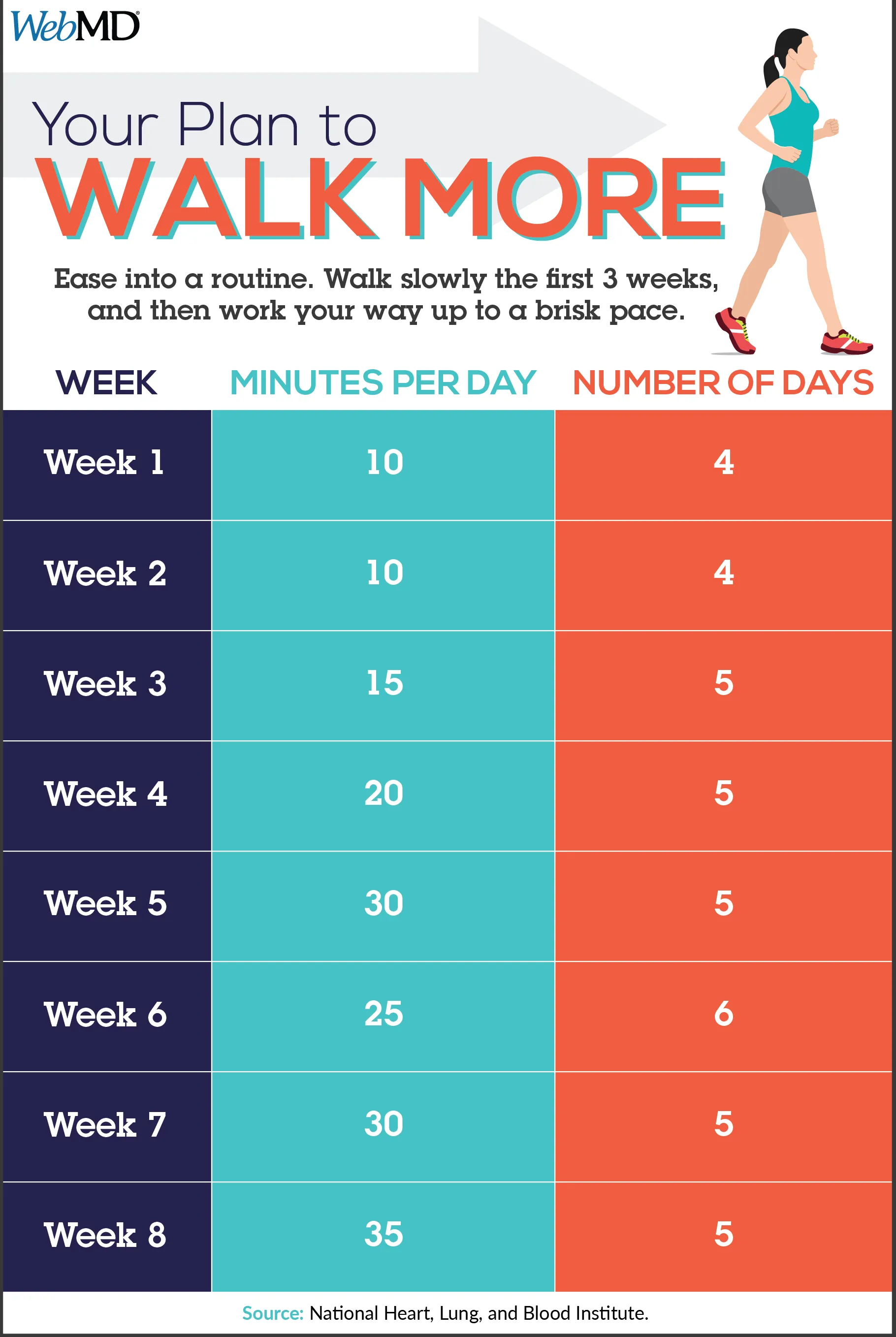
You can start slowly with just 5 or 10 minutes a day and work up to at least 30 minutes on most days of the week to get the full cardio benefits.
You should also do strength-building exercises at least twice a week. You might want to carry light weights or cans to help build up your upper body while you walk.
Whether you like to walk alone or in groups, you can build a walking program that you are sure to enjoy. If you're already in good shape, work up a sweat with a power walk. You can use it as your main workout, or use it along with another program to mix things up and avoid boredom.
If you walk outside, walk in safe areas, stay cool, drink water, and wear sunscreen!
Is It Good for Me If I Have a Health Condition?
Walking is the perfect exercise for many people.
If you have diabetes, walking can help lower your blood sugar and your weight. Take care if you have diabetes-related nerve damage. Your doctor or foot doctor can tell you if walking is your best exercise choice and, if so, what type of shoe is best.
Walking can help protect against heart disease. It can lower your blood pressure and your “bad” (LDL) cholesterol while ramping up your “good” (HDL) cholesterol.
If you already have heart disease, your doctor may suggest starting your walking program in a cardiac rehab setting. The rehab staff will monitor your heart and blood pressure as you build stamina.
Knee, hip, and back problems may put a cramp in your walking plans. Ask your doctor or physical therapist for advice before lacing up your walking shoes. Other problems that might hinder walking include balance issues, muscle weakness, and other physical disabilities.
Walking is also a great way to get fit and stay healthy if you are pregnant. As long as you have been active before the pregnancy and are not having any medical problems, then you should be good to go. To prevent falls, avoid uneven ground as your belly grows and your center of gravity shifts.