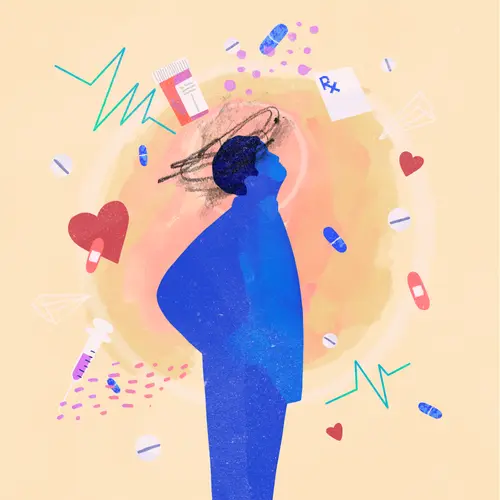
Depression is a brain disorder that can lead to much emotional anguish. Changes in how your brain functions also can have a big effect on your body. Is it any wonder, then, that depression contributes to a wide array of physical problems that affect everything from your heart to your immune system?
Depression doesn't just cause physical symptoms; it can also increase your risk for -- or may worsen -- certain physical illnesses or conditions. In turn, some illnesses can also trigger depression.
Depression Causes Physical Symptoms
Depression affects much more than moods. These are a few of the most common physical symptoms of depression:
- Increased aches and pains, which occur in about two out of three people with depression
- Chronic fatigue
- Decreased interest in sex
- Decreased appetite
- Insomnia, lack of deep sleep, or oversleeping
What causes these symptoms of depression? Changes in the brain have an effect on many of the body's systems. For example, abnormal functioning of brain messengers (neurotransmitters) such as serotonin can alter your pain threshold. This means you become more sensitive to pain, especially back pain. Serotonin also affects sleep and lowers sex drive -- nearly half of everybody with depression has problems with sex.
Unfortunately, individuals with depression, as well as their families and health care professionals, often overlook the physical signs and symptoms of depression. In one case, researchers found that sleep troubles, fatigue, and worries about health are reliable indicators of depression in older adults. But, they found, these signs are routinely and incorrectly dismissed as a natural part of aging.
Depression Increases Your Risk of Physical Illness
Depression increases your risk of a number of diseases and other conditions by, for example, increasing levels of stress hormones such as cortisol or adrenaline.
Depression can affect the immune system, making it harder for your body to fight infection. Some vaccinations, such as the shingles vaccine, may even be less effective in older adults with depression.
Depression has also been linked to heart disease and increased risk for substance abuse.
Depression and Medical Illnesses: A Vicious Cycle
Many of the physical changes caused by depression, such as insomnia or a lack of deep sleep, are thought to weaken your immune system. This can make existing illnesses worse. In turn, physical changes caused either by depression or chronic disease can trigger or worsen depression. All these changes can lead to a vicious cycle that's tough to break without treatment for both depression and any other diseases.
Many serious illnesses or conditions coexist with depression. They include:
- Heart attack
- Coronary artery disease (without heart attack)
- Parkinson's disease
- Autoimmune diseases such as multiple sclerosis or lupus
- HIV/AIDS
- Stroke
- Cancer
- Diabetes
- Kidney disease
- Arthritis
Depression increases the risk of some of these diseases, but not always. For example, there is no evidence to support the idea that depression leads to cancer, although the two often coexist. At the same time, it's important to know that depression is not an inevitable result of serious diseases such as cancer and HIV, or that it can't be managed.
Once you become ill, how does depression influence the course of disease? For one, you are more likely to develop complications. This may be true because depression magnifies physical changes in your brain and body. If you already have heart disease, for example, higher levels of stress hormones may make it harder for your body to do needed tissue repair.
Depression may also make it more difficult to follow instructions, take medications, or stick with other aspects of a treatment regimen. Pain, which is common with depression, can also complicate the treatment of depression. This means people with chronic pain tend to have worse depression outcomes.
Treating Depression, Improving Health
By now, you know that your physical and mental health perform a delicate dance, greatly affecting each other. Be sure to discuss both with your doctor. The symptoms of depression and nonpsychiatric medical conditions may overlap. So, it's important to discuss all your symptoms and health conditions with your doctor. This will help your doctor figure out what is causing the physical symptoms -- the depression, another disease, or both. Also review any medications you're taking. Some can cause symptoms of depression. Be sure to have your mental health professional coordinate depression treatment with your other health care providers.
The good news is that depression treatment is often a "two-for-one" -- by treating the depression, you can also improve your overall health. For example, some diabetes research suggests that certain antidepressant medications and psychotherapy may help improve glycemic control, which is necessary in diabetes management. Managing depression with medication, support groups, or psychotherapy -- or a combination -- has been shown to improve quality of life as well as adherence to treatment -- but not survival -- for some cancer patients, many of whom receive no depression treatment.
If you have depression, talk with your doctor about treatment. In addition to antidepressants and talk therapy, exercise may help. Recent studies show exercise can be effective for mild to moderate depression. And, of course, it helps with many other ailments. If you're considering taking herbal remedies, be sure to discuss this with your doctor first. Some can interact in harmful ways with medications or other supplements.