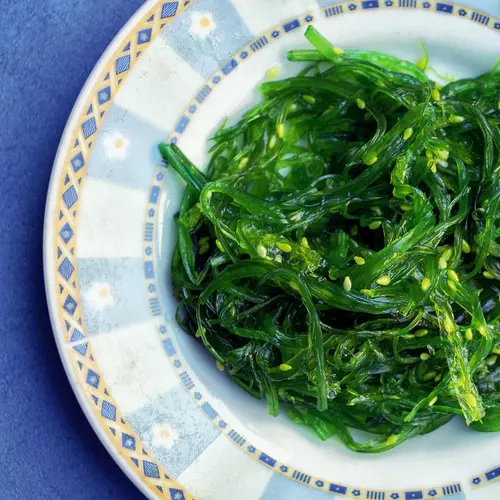
The simplest definition of vegetarianism is a diet free of meat, fish, and fowl flesh. But dietary habits of vegetarians cover a wide spectrum. At one end are lacto-ovo vegetarians, who avoid animal flesh but eat eggs and dairy products. At the other end are vegans, who forgo eating (and often wearing) all animal-based products, including honey. Raw foodists are vegans who eat mainly raw fruits, vegetables, legumes, sprouts, and nuts.
There are also pescatarians, who eat fish and seafood; and lacto-vegetarians, who eat dairy products but not eggs. Fruitarians follow a diet that includes fruits, nuts, seeds, and other plant food. Those who follow a macrobiotic diet eat mostly grains but can also eat fish. They don't necessarily identify as vegetarians.
Flexitarians refer to vegetarians who occasionally eat meat and fish.
Reasons for Becoming a Vegetarian
Many adherents of vegetarianism and veganism – former Beatle Paul McCartney and actor Alec Baldwin are two celebrities who happily promote the cause -- regard a flesh-free diet not only as more healthful, but as a more ethical way to live. They point to the cruel practices and the high environmental cost of raising animals for food as reasons for excluding meat from the diet.
Most Americans, however, continue to eat some form of meat or fish. Five percent of people consider themselves to be vegetarians, according to a 2018 Gallup poll.
Vegetarianism and Health
Most doctors and nutritionists agree that a low-fat diet high in fruits, vegetables, whole grains, and nuts can be a boon to health. There’s also research suggesting that reducing or eliminating red meat from the diet may cut your risk of heart disease.
Research also has shown that a vegan or vegetarian diet may lower your risk of getting type 2 diabetes. And a 2011 study found that vegetarians had lower triglycerides, glucose levels, blood pressure, and body mass index (BMI).
Does Being a Vegetarian Lower Cancer Risk?
It’s difficult to say whether being a vegetarian or a vegan lowers cancer risk. This is mainly because of the diversity within the vegetarian population.
Many studies of the cancer-vegetarian relationship conclude that diets rich in fiber, vitamins, minerals, isoflavones (found in soybeans, chickpeas, peanuts, and more), and carotenoids (found in carrots, sweet potatoes, broccoli, kale, spinach, tomatoes, red peppers, and more), seem to protect against disease, including cancer, when part of a health-conscious lifestyle.
An 11-year study in Germany examined colon cancer among 1,900 vegetarians. Researchers noted fewer deaths from cancers of the stomach, colon, and lung in study participants than in the general population -- particularly among those who practiced some form of vegetarianism for at least 20 years. They suggested, however, that other factors, like body weight and amount of exercise, likely affected mortality rates in the vegetarians they studied.
Vegetarianism and Nutrition
A meatless diet can be healthy, but vegetarians -- especially vegans -- need to make sure they're getting enough vitamin B12, calcium, iron, and zinc.
The Academy of Nutrition and Dietetics warns of the risk of vitamin B12 deficiencies in vegetarians and vegans. Vitamin B12 is found naturally only in animal products. A lack of vitamin B12 can lead to anemia and blindness. It can also cause muscle weakness, tingling, and numbness. To counteract the increased risk, vegans should include B12 supplements, or fortified cereals and veggie burgers. Stay tuned for more information, but B12 has been found in varying amounts in mushrooms, particularly in the outer peel, but it's too soon to consider it a food source of the vitamin.
Vegans and ovo-vegetarians, who eat eggs but not dairy, need to find foods (dark green vegetables, tofu, edamame, soy nuts, butternut squash, calcium-fortified non-dairy beverages) or supplements that compensate for the missing calcium from their diets. Absorbable calcium is critical to protect against osteoporosis, or thinning bones.
Is a Vegan Diet Safe During Pregnancy?
The nutrition warnings are a bit more urgent for pregnant and lactating women who are vegan. Having a vitamin B12 deficiency, particularly, has been shown to impair neurological development in infants nursed by vegetarian mothers. A lack of vitamin D and calcium also can result in bone demineralization in breastfeeding women.
Similarly, children under age 5 who are reared on vegetarian and vegan diets can suffer impaired growth. That's because of the potential for a vitamin B12 deficiency, which can also result in anemia and vitamin D deficiency which can cause rickets. DHA, an omega-3 fatty acid found mostly in fish, is important for optimal brain development the first 2 years of life. Consult a registered dietitian who can help design a well-planned diet that can meet all the nutritional needs.
Key Nutrients for Vegetarians and Vegans
The U.S. Department of Agriculture offers dietary guidelines for vegetarians on its web site. The Academy of Nutrition and Dietetics is another good source for dietary recommendations.
Regardless of the kind of meat-free diet practiced, vegetarians should focus on getting enough protein, iron, calcium, zinc, vitamin B12, riboflavin, alpha-linolenic acid, and vitamin D.
Here are some ways to incorporate these nutrients into a vegetarian diet:
- Protein: Choose tofu, edamame, tempeh, veggie burgers with 5 grams of protein or more, beans and other legumes, nuts, nut butters, eggs, and higher-protein whole grains such as quinoa, amaranth, and kamut.
- Iron: Eggs, fortified breakfast cereals, soy-based foods, dried prunes, dried apricots, nuts, beans, legumes, and fortified whole wheat bread are good choices.
- Calcium, which builds bone, is plentiful in cheese, yogurt, milk, edamame, tofu, almonds, sesame tahini, calcium-fortified orange juice, calcium-fortified non-dairy beverages like soy or almond milk, and dark green leafy vegetables like collard greens, spinach, and bok choy.
- Zinc, which boosts the immune system, is ample in soybeans, soy milk, veggie "meats," eggs, cheese and yogurt, fortified breakfast cereals, nuts, seeds, mushrooms, lentils, black-eyed peas, split peas, and wheat germ.
- Vitamin B12: Soy-based beverages, some breakfast cereals, and fortified veggie "meats."
- Riboflavin: Almonds, fortified cereals, cow's milk, yogurt, mushrooms, and soy milk are riboflavin-rich foods.
- Alpha-Linolenic Acid (Omega-3): Canola oil, ground flaxseeds, flaxseed oil, walnuts, walnut oil, soybeans, and tofu are good choices.