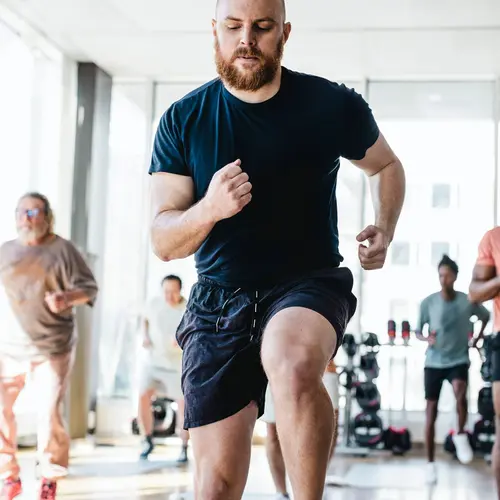

Exercise makes your muscles work and burns calories. Exercises are activities designed to improve fitness, enhance health, and prepare your body to meet the demands of life. Physical activities like running, swimming, walking, jogging, and dancing are often used synonymously with exercise. Although not technically exercise, physical activities are an excellent way to enhance health.
No matter your age, gender, or physical activity level, regular exercise can boost your physical and mental health.
If you haven't exercised in a while, you may want to try easing back into it with moderate-intensity aerobics. Soon enough, you'll start feeling the positive effects of regularly moving your body.
How Exercise Improves Your Physical Health
Helps control your weight. Whether you want to drop extra pounds or stay at your current weight, exercise is one of the best ways to do it. It helps you burn calories, and the more intense the activity, the more calories you torch. That said, the amount of calories you burn depends on a number of things, including your age, gender, weight, and type and intensity of activity.
For example, a 155-pound person will burn about 198 calories doing 30 minutes of low-impact aerobics. If they do 30 minutes of high-impact step aerobics, they could burn upwards of 360 calories.
Strengthens your muscles and bones. Exercise is vital for building and maintaining strong bones and muscles. Weightlifting can boost muscle building when you also get enough protein.
As you become older, your body loses muscle mass and function. This puts you more at risk of injuries and disabilities. Regular exercise reduces muscle loss and helps maintain strength as you age. Exercise also builds bone density, which is crucial in preventing osteoporosis later in life.
Helps prevent health conditions and diseases. For a good, strong heart, exercise regularly. No matter your current weight, physical activity boosts “good” cholesterol ( high-density lipoprotein or HDL) in the body. This is key for keeping your blood flowing smoothly while lowering your chances of getting conditions like:
- Heart and blood vessel diseases
- Metabolic syndrome
- Many cancers, including breast, bladder, kidney, lung, and stomach cancers
- High blood pressure
- Stroke
- Anxiety
- Depression
- Type 2 diabetes { National Health Services: “Benefits of exercise.”}
Could boost your lifespan. Regular exercise can help you live longer. It lowers the chance of dying early from conditions like cancer and heart disease. Try to be active for at least 150 minutes a week.
Before you start any new exercise program, it's a good idea to talk to your doctor. After checking your health, they’ll recommend the right amount of activity for your age.
How Exercise Improves Your Mental Health
Some benefits of exercise on your mental health can even happen right after you work out.
Makes you feel happier. Exercise helps block negative thoughts and distracts you from daily worries. Your body releases chemicals, such as serotonin and endorphins, that trigger a happy feeling. Exercising with other people can boost that effect even more.
Improves learning, thinking, and judgment capabilities as you age. When you exercise, your body releases proteins and other chemicals that change the brain's function and structure. It also makes the brain grow new cells that help prevent age-related mental decline.
Helps relieve symptoms of depression and anxiety. Exercise acts in a similar way to antidepressant medications for treating mild to moderate depression -- just without the side effects. Exercising improves brain function, lowers inflammation, and promotes the growth of nerve cells, all which can help your mood.
Through the release of endorphins, physical activity also helps relieve tension and stress tied to anxiety. Being mindful of what your body is doing and how it feels as you exercise can also help interrupt the flow of negative thoughts and worries.
Helps manage ADHD. Exercise is one of the best ways to take charge of the symptoms of attention-deficit hyperactivity disorder, or ADHD. It helps improve motivation, mood, memory, and concentration by immediately boosting hormones that support focus and attention.
Tips for Making Exercise a Part of Your Routine
Exercise doesn’t have to be hard or demanding. It also doesn't need to be expensive or take up too much of your time. Try these tips to make it a regular part of your weekly routine:
- Do fun types of physical activities that you like.
- Involve friends and family.
- Keep track of your progress.
- Find activities you can do even when the weather is bad.
Aim to get in around 150 minutes of exercise a week. That adds up to about 30 minutes a day for 5 days per week. Spending that little extra time to move your body will give you a wide range of health benefits.