During normal sleep, you cycle through REM and four stages of non-REM (NREM) sleep numerous times a night. Stage 1 of NREM sleep is the lightest, while stage 4 is the deepest.
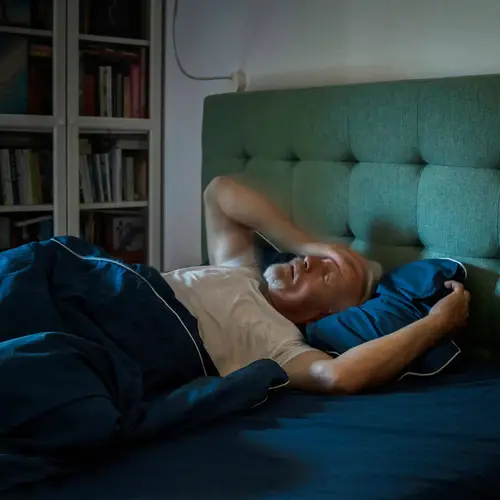
When you're repeatedly interrupted and can't cycle normally through these types and stages of sleep, you may feel tired, fatigued, and have trouble concentrating and paying attention while you're awake. Sleepiness puts you at greater risk for car wrecks and other accidents.
What Are Sleep Disorders?
Typically, people sleep at night -- thanks not only to the conventions of the 9-to-5 workday, but also to the close interaction between our natural sleep and alertness rhythms, which are driven by an internal "clock."
This clock is a small part of the brain called the suprachiasmatic nucleus of the hypothalamus. It sits just above the nerves leaving the back of our eyes. Light and exercise "reset" the clock and can move it forward or backward. Abnormalities related to this clock are called circadian rhythm disorders ("circa" means "about," and "dies" means "day").
Circadian rhythm disorders include jet lag, adjustments to shift work, delayed sleep phase syndrome (you fall asleep and wake up too late), and advanced sleep phase syndrome (you fall asleep and wake up too early).
People who have insomnia don't feel as if they get enough sleep at night. They may have trouble falling asleep or may wake up frequently during the night or early in the morning. Insomnia is a problem if it affects your daytime activities. Insomnia has many possible causes, including stress, anxiety, depression, poor sleep habits, circadian rhythm disorders (such as jet lag), and taking certain medications.
Many adults snore. The noise is produced when the air you inhale rattles over the relaxed tissues of the throat. Snoring can be a problem simply because of the noise it causes. It may also be a marker of a more serious sleep problem called sleep apnea.
Sleep apnea occurs when the upper airway becomes completely or partially blocked, interrupting regular breathing for short periods of time -- which then wakes you up. It can cause severe daytime sleepiness. If left untreated, severe sleep apnea may be associated with high blood pressure and the risk of stroke and heart attack.
Pregnancy and Sleep
Women often experience sleepless nights and daytime fatigue in the first and third trimesters of their pregnancy. During the first trimester, frequent trips to the bathroom and morning sickness may disrupt sleep. Later in pregnancy, vivid dreams and physical discomfort may prevent deep sleep. After delivery, the new baby's care or the mother's postpartum depression may interrupt sleep.
Narcolepsy is a brain disorder that causes excessive daytime sleepiness. There is sometimes a genetic component, but most patients have no family history of the problem. Though dramatic and uncontrolled "sleep attacks" have been the best-known feature of narcolepsy, in reality many patients do not have sleep attacks. Instead, they experience constant sleepiness during the day.
In people who have restless legs syndrome, discomfort in the legs and feet peaks during the evening and night. They feel an urge to move their legs and feet to get temporary relief, often with excessive, rhythmic, or cyclic leg movements during sleep. This can delay sleep onset and cause brief awakening during sleep. Restless legs syndrome is a common problem among middle-aged and older adults.
Nightmares
Nightmares are frightening dreams that arise during REM sleep. They can be caused by stress, anxiety, and some drugs. Often, there is no clear cause.
Night Terrors and Sleepwalking
Both night terrors and sleepwalking arise during NREM sleep and occur most often in children between the ages of 3 and 5 years old. A night terror can be dramatic: Your child may wake up screaming, but unable to explain the fear. Sometimes children who have night terrors remember a frightening image, but often they remember nothing. Night terrors are often more frightening for parents than for their child. Sleepwalkers can perform a range of activities -- some potentially dangerous, like leaving the house -- while they continue to sleep.
What Causes Sleep Disorders?
Insomnia may be temporary and stem from a simple cause, such as jet lag. Short-term insomnia may also be caused by an illness, a stressful event, or drinking too much coffee, for example. Many medications have insomnia as a side effect.
Long-term insomnia may be caused by stress, depression, or anxiety. People can also become conditioned to insomnia: They associate bedtime with difficulty, expect to have trouble sleeping (and thus do), and become irritable (which can cause more insomnia). This cycle can be maintained for several years.
Circadian rhythm disorders are an important but less common cause of insomnia. People who abuse alcohol or drugs often suffer from insomnia.
Snoring and Sleep Apnea
When you fall asleep, many muscles in your body relax. If muscles in the throat relax too much, your breathing may be blocked and you may snore. Sometimes, snoring is caused by allergies, asthma, or nasal deformities that make breathing difficult.
Apnea means "no airflow." Obstructive sleep apnea was thought to be a disorder primarily of overweight, older men. But abnormal breathing during sleep can affect people of any age, any weight, and either sex. Researchers now know that in many cases of sleep apnea, the obstruction in the airways is only partial. Most people with sleep apnea have a smaller-than-normal inner throat and other subtle bone and soft-tissue differences.
Drops in blood oxygen during sleep -- once thought to be the cause of waking up due to obstructive sleep apnea -- may or may not be present. Most likely, awakening occurs with the body's increased effort required to overcome the obstruction of the airway.
Drinking alcohol can make obstructive sleep apnea worse because it relaxes muscles that maintain an open airway.
A rare form of sleep apnea called central sleep apnea occurs when signals from the brain to your muscles decrease or stop for a short time. You may not snore if you have central sleep apnea.
You may need to consult an ear, nose, and throat specialist or have a sleep study to find out why you snore and whether you have sleep apnea.
Pregnancy and Sleep
Fatigue during the first trimester of pregnancy is likely caused by changing levels of hormones, such as progesterone. Toward the end of pregnancy, some women find it difficult to sleep because of the uncomfortable size of their abdomen. Some women are too excited, anxious, or worried about becoming mothers to sleep well. Other women who are pregnant complain that vivid dreams prevent them from getting restful sleep. Sleep apnea, especially if it's severe and causes your blood oxygen level to drop during sleep, is a risk to the fetus.
Narcolepsy
The cause of narcolepsy is not clear. Genetic and environmental factors likely play a role, although the data on genetic factors is still speculative and not well studied. There are some rare nerve disorders that may be linked to narcolepsy.
Restless Legs Syndrome
There are many possible causes of restless legs syndrome, including kidney failure, nerve disorders, vitamin and iron deficiencies, pregnancy, and some medications (such as antidepressants). Recent studies have shown a strong genetic link and researchers have been able to isolate a gene that may be responsible for at least 40% of all cases of the disorder.
Nightmares and Night Terrors
Nightmares can be triggered by a frightening or stressful event, a fever or illness, or use of some medications or alcohol. Night terrors are most common in pre-school children, but they also can affect adults who are experiencing emotional or psychological problems.
Other Things that Impact Sleep
Young age. Infants may sleep up to 16 hours a day. But most won't sleep through the night without a feeding until 4 months of age. School-aged children may sleep 10 hours a day. Their sleep may be disturbed by an illness or fever. Call your doctor if your child has a fever and is sluggish when waking up.
Old age. People over age 60 may not sleep as deeply as younger people. Sleep apnea is also more common among older people.
Lifestyle. People who drink coffee, smoke cigarettes, or drink alcohol are more likely to have sleep problems than people who do not.
Medication. Many drugs can cause sleeplessness. Others can cause daytime fatigue.
Depression and anxiety. Insomnia is a common symptom of depression and anxiety.
Heart failure and lung problems. Some people find it difficult to sleep at night because they become breathless when they lie down. This can be a symptom of heart failure or a problem with the lungs.