What Is Hypothyroidism?
Hypothyroidism, also called underactive thyroid disease, is a common disorder. With hypothyroidism, your thyroid gland does not make enough thyroid hormone.
The thyroid gland is located in the front lower part of your neck. Hormones released by the gland travel through your bloodstream and affect nearly every part of your body, from your heart and brain, to your muscles and skin.
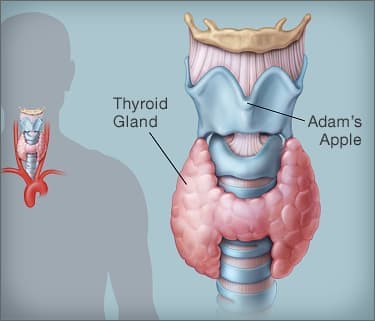
The thyroid controls how your body's cells use energy from food, a process called metabolism. Among other things, your metabolism affects your body’s temperature, your heartbeat, and how well you burn calories. If you don't have enough thyroid hormone, your body processes slow down. That means your body makes less energy, and your metabolism becomes sluggish.
Symptoms of Hypothyroidism
Symptoms of hypothyroidism may be vague and can often mimic other conditions. They may include:
- Changes in the menstrual cycle
- Constipation
- Depression
- Dry hair and hair loss
- Dry skin
- Elevated cholesterol
- Fatigue
- Greater sensitivity to cold
- Hoarse voice
- Joint pain, stiffness, and swelling
- Problems with memory
- Muscle aches and stiffness
- Muscle weakness
- Puffy face
- Slow heart rate
- Swelling of the thyroid gland (goiter)
- Unexplained weight gain or difficulty losing weight
- Carpal tunnel syndrome
Babies with hypothyroidism may have no symptoms. If symptoms do occur, they can include:
- Cold hands and feet
- Constipation
- Extreme sleepiness
- Hoarse cry
- Little or no growth
- Low muscle tone (floppy infant)
- Persistent jaundice (yellowing of the skin and whites of the eyes)
- Poor feeding habits
- Puffy face
- Stomach bloating
- Swollen tongue
- Umbilical hernia
Make an appointment with your health care provider if you or your baby has any of these symptoms. It’s important to note that these symptoms can be due to other medical conditions.
Children and teens may also have hypothyroidism with the signs and symptoms seen in adults. Kids and teens may also have:
- Delays in puberty
- Delays in growth and shorter stature
- Slow mental development
- Slower development of permanent teeth
Causes of Hypothyroidism
The most common cause of hypothyroidism is Hashimoto's thyroiditis. "Thyroiditis" is an inflammation of the thyroid gland. Hashimoto's thyroiditis is an autoimmune disorder. With Hashimoto’s, your body produces antibodies that attack and destroy the thyroid gland. Thyroiditis may also be caused by a viral infection.
Other causes of hypothyroidism include:
- Radiation therapy to the neck area. Treating certain cancers, such as lymphoma, requires radiation to the neck. Radiation damages the cells in the thyroid. This makes it more difficult for the gland to produce hormones.
- Radioactive iodine treatment. This treatment is commonly prescribed to people who have an overactive thyroid gland, a condition known as hyperthyroidism. However, radiation destroys the cells in the thyroid gland. This usually leads to hypothyroidism.
- Use of certain medications. Certain medicines to treat heart problems, psychiatric conditions, and cancer can sometimes affect the production of thyroid hormone. These include amiodarone (Cordarone, Pacerone), interferon alpha, and interleukin-2.
- Thyroid surgery. Surgery to remove the thyroid will lead to hypothyroidism. If only part of the thyroid is removed, the remaining gland may still be able to produce enough hormone for the body's needs.
- Too little iodine in the diet. The thyroid needs iodine to produce thyroid hormone. Your body doesn't make iodine, so you need to get it through your diet. Iodized table salt is rich in iodine. Other food sources of iodine include shellfish, saltwater fish, eggs, dairy products, and seaweed. Iodine deficiency is rare in the U.S.
- Pregnancy. The reason isn’t clear, but sometimes, inflammation of the thyroid occurs after pregnancy. This is called postpartum thyroiditis. Women with this condition usually have a severe increase in thyroid hormone levels followed by a sharp drop in thyroid hormone production. Most women with postpartum thyroiditis will regain their normal thyroid function.
- Problems with the thyroid at birth. Some babies may be born with a thyroid gland that did not develop correctly or does not work properly. This type of hypothyroidism is called congenital hypothyroidism. Most hospitals in the U.S. screen babies at birth for this disease.
- Pituitary gland damage or disorder. Rarely, a problem with the pituitary gland can interfere with the production of thyroid hormone. The pituitary gland makes a hormone, called thyroid-stimulating hormone (TSH), which tells your thyroid how much hormone it should make and release.
- Disorder of the hypothalamus. An extremely rare form of hypothyroidism can occur if the hypothalamus in the brain does not produce enough of a hormone called TRH. TRH affects the release of TSH from the pituitary gland.
Primary hypothyroidism is caused by a problem with the thyroid gland itself.
Secondary hypothyroidism occurs when another problem interferes with the thyroid's ability to produce hormones. For example, the pituitary gland or hypothalamus produce hormones that trigger the release of thyroid hormone. A problem with one of these glands can make your thyroid underactive.
Sometimes, an underactive thyroid that results from a problem with the hypothalamus is called tertiary hypothyroidism.
Hypothyroidism Risk Factors
Women, particularly older women, are more likely to develop hypothyroidism than men. You are also more likely to develop hypothyroidism if you have a close family member with an autoimmune disease. Other risk factors include:
- Race (being white or Asian)
- Age (growing older)
- Prematurely graying hair
- Autoimmune disorders such as type 1 diabetes, multiple sclerosis, rheumatoid arthritis, celiac disease, Addison's disease, pernicious anemia, or vitiligo
- Bipolar disorder
- Down syndrome
- Turner syndrome
Diagnosis of Hypothyroidism
If you have symptoms of hypothyroidism, your doctor will order blood tests to check hormone levels. These may include:
- Thyroid-stimulating hormone (TSH)
- T4 (thyroxine)
Lower-than-normal T4 levels usually mean you have hypothyroidism. However, some people may have increased TSH levels while having normal T4 levels. This is called subclinical (mild) hypothyroidism. It is believed to be an early stage of hypothyroidism.
If your test results or physical exam of the thyroid are abnormal, your doctor may order a thyroid ultrasound, or thyroid scan, to check for nodules or inflammation.
Hypothyroidism Treatment
If you have hypothyroidism, your doctor will prescribe a synthetic (human-made) thyroid hormone T4. You take this pill every day. Certain other medications can interfere with how your body absorbs synthetic thyroid hormone. Make sure your doctor knows about all the medicines, herbs, and supplements you take, including over-the-counter products.
You will need regular blood tests to check your thyroid hormone levels. Your doctor may need to adjust your medication dose from time to time.
It may take a little time to figure out the correct dosage of thyroid hormone that you need. Your doctor will give you a blood test to check your TSH levels 6 to 8 weeks after you start taking synthetic hormones, and then once every 6 months.
If your dosage is too high and you get too much hormone, you could have these side effects:
- Appetite increases
- Can’t sleep
- Heart palpitations
- Shakiness
People with severe hypothyroidism or heart disease may start out with a low dose of synthetic hormone, and then gradually increase the amount so their heart can adjust to it.
Once you have the correct dosage, you shouldn’t have any side effects from your hormones. But don’t stop or skip your medication, because your hypothyroidism symptoms could come back.
If you gain or lose even as much as 10 pounds of body weight, you may need to get your TSH levels checked again to see if your hormone dosage should be adjusted.
Complications of Hypothyroidism
Untreated, hypothyroidism may cause complications, such as:
- Balance problems. Older women are at extra risk for balance problems if their thyroid hormone levels are too low.
- Goiter. If your thyroid is always trying to produce more hormones, the gland can swell and change the appearance of your neck. You may also have trouble swallowing.
- Heart problems. Hypothyroidism puts you at greater risk for heart disease and can raise your levels of LDL or “bad” cholesterol.
- Infertility. Too little thyroid hormone may disrupt your production of eggs (ovulation) and make it harder to conceive.
- Joint pain. Low levels of thyroid hormone can cause you to have aches and pains in your joints and muscles, as well as tendonitis.
- Mental health issues. Low thyroid hormones can cause memory or concentration lapses, as well as decreased interest in activities you used to enjoy. See your doctor if you notice these changes, as they could also be due to depression unrelated to your thyroid.
- Obesity. Although hypothyroidism may curb your appetite, you can gain weight because your metabolism slows down too, and you don’t burn enough calories.
- Peripheral neuropathy. Over time, low thyroid hormones can damage your peripheral nerves. You may notice pain, tingling, or numbness in your limbs.
Thyroid problems in a pregnant woman can affect the developing baby. During the first three months of pregnancy, the baby receives all thyroid hormone from its mother. If the mother has hypothyroidism, the baby does not get enough thyroid hormone. This can lead to problems with mental development.
Extremely low levels of thyroid hormone can cause a life-threatening condition called myxedema. Myxedema is the most severe form of hypothyroidism. A person with myxedema can lose consciousness or go into a coma. The condition can also cause the body temperature to drop very low, which can cause death.