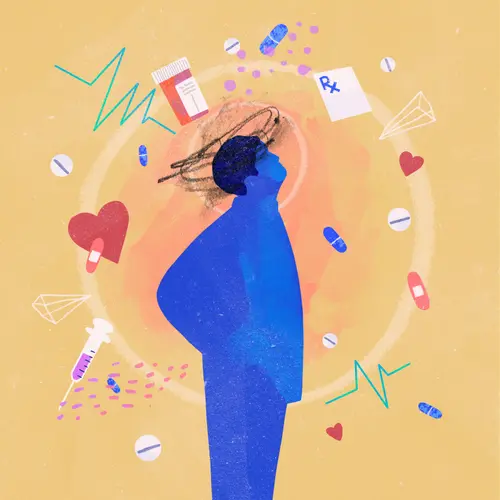
Anxiety may be caused by a mental condition, a physical condition, the effects of drugs, stressful life events, or a combination of these. The doctor's initial task is to see if your anxiety is a symptom of another medical condition.
Anxiety disorders are different from normal anxiety. They are the most common form of mental illness in the United States, affecting nearly 1 in 5 adults. They can involve periods of excessive worrying or fear that is more than you would expect from everyday kinds of stressors.
Common causes of anxiety include these disorders:
- Panic disorder: In addition to anxiety, common symptoms of panic disorders are palpitations (feeling your heartbeat), dizziness, and shortness of breath. These same symptoms also can be caused by coffee (caffeine), amphetamines ("speed" is the street slang for amphetamines when they are not prescribed by a doctor), other stimulants such as cocaine, an overactive thyroid, abnormal heart rhythms, and other heart abnormalities (such as mitral valve prolapse).
- Generalized anxiety disorder
- Phobic disorders
- Stress disorders
Life events that can cause anxiety:
- Stress at work
- Stress from school
- Stress in a personal relationship such as marriage
- Financial stress
- Stress from global occurrences or political issues
- Stress from unpredictable or uncertain world events, like a pandemic
- Stress from an emotional trauma such as the death of a loved one
- Stress from a serious medical illness
Other outside factors that can cause anxiety:
- Medication side effects
- Use of an illicit drug, such as cocaine
- Symptoms of a medical illness (such as heart attack, heat stroke, hypoglycemia)
- Lack of oxygen in circumstances as diverse as high altitude sickness, emphysema, or pulmonary embolism (a blood clot in the vessels of the lung)
The doctor has the often-difficult task of determining which symptoms come from which causes. For example, in a study of people with chest pain -- a sign of heart disease -- 43% were found to have a panic disorder, not a heart-related condition.
The United States Preventive Service Task Force recommends screening for anxiety in children and adolescents ages 8 to 18 years and recommends screening for major depressive disorder (MDD) in adolescents ages 12 to 18 years.
How Can I Prevent Anxiety?
Coping mechanisms may help you handle anxiety that comes from life’s stressors. Here are some things you can try:
- Exercise
- Meditation
- Relaxation exercises, including deep breathing
- Visualization
- Good sleep habits
- Healthy diet
- Learn interpersonal skills for dealing with difficult people and situations or get parenting skills training for help dealing with your children